Barriers to Eel Migration in the Forth
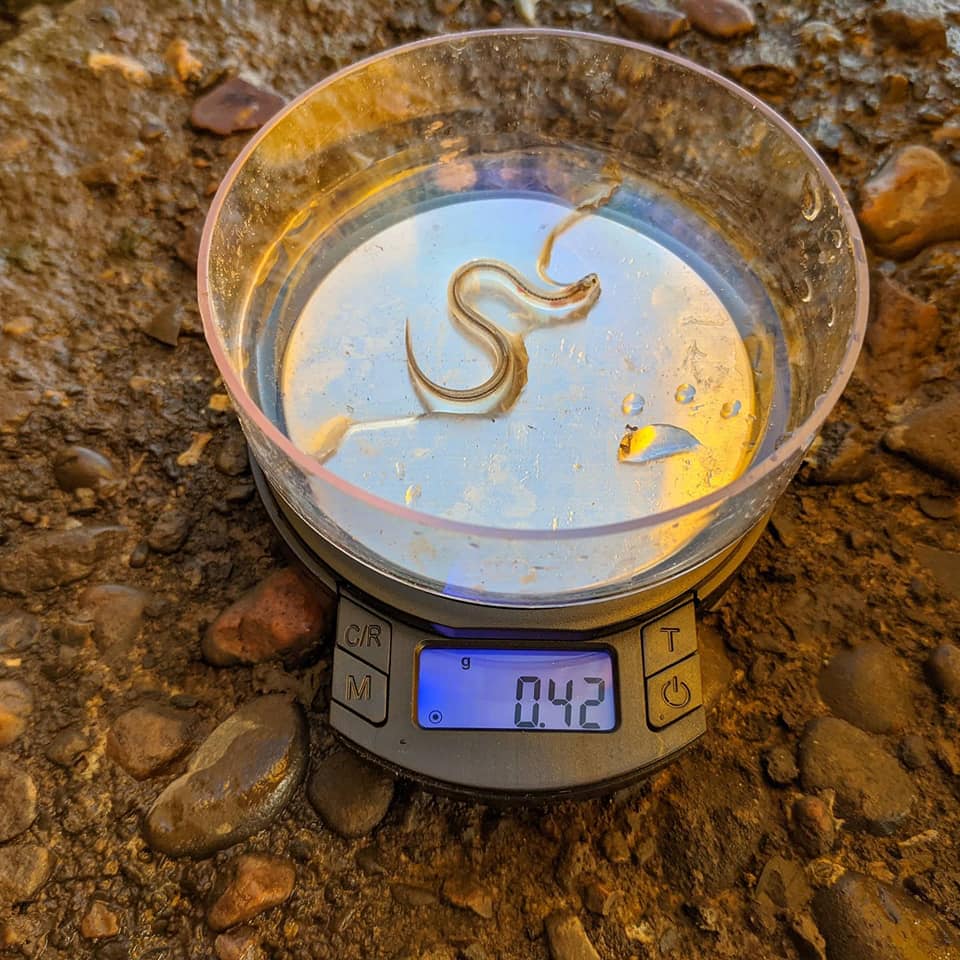
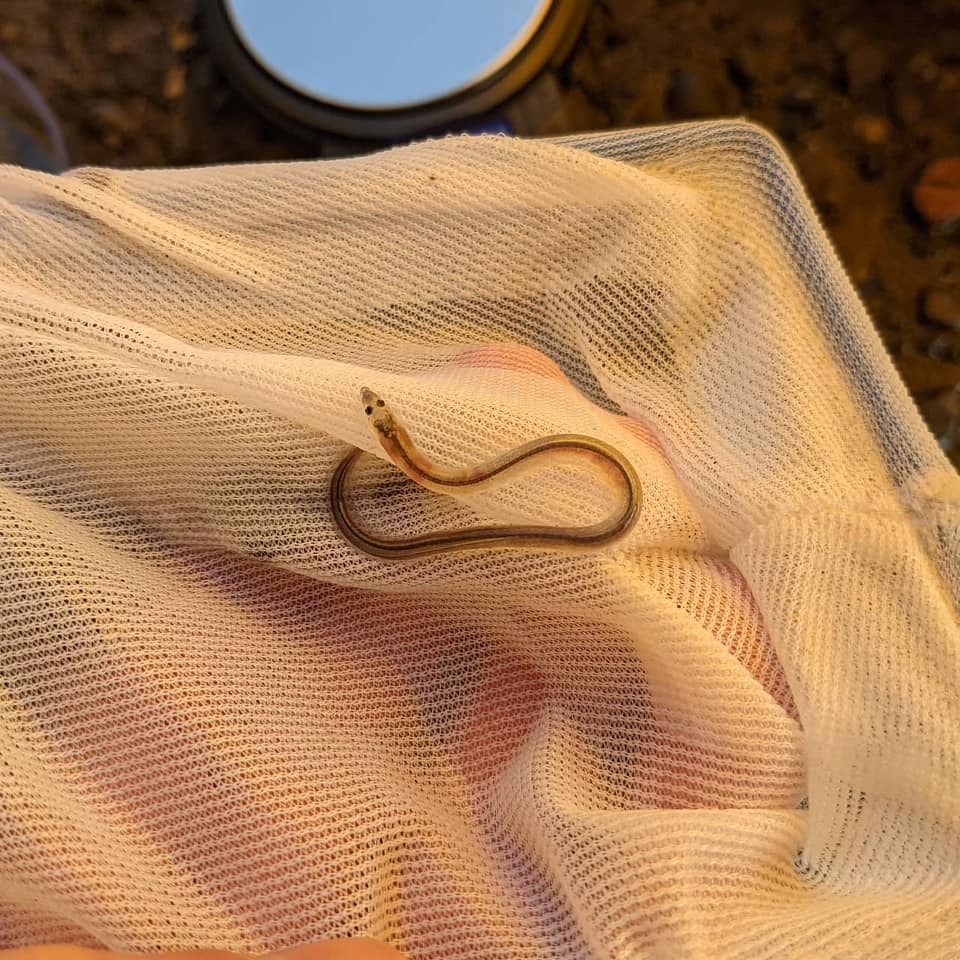
Eels are amazing creatures and are one of the worlds organisms that has a massive journey to complete its lifecycle. Much evidence highlights that eels start this journey in the Sargasso Sea just off the Caribbean and East Coast of America. Adult eels spawn here and egs hatch moving with the currents of the Atlantic ocean towards Europe. When they reach the continental shelf of Europe, they turn into glass eels and then into elvers as they move from salt water to freshwater. When they reach rivers around Scotland and the Forth, they hope to reach habitat where they will continue to grow until they become silver eels and then eventually mature eels to head back out to the Sargasso Sea to start the cycle all over again.
However, just like other fish species, eels are hampered accessing important habitats by man made barriers to fish migration such as culverts, weirs and hydro dams. This is thought to be one of the contributing factors to the mass decline of eels across Europe making the population a critically endangered species.
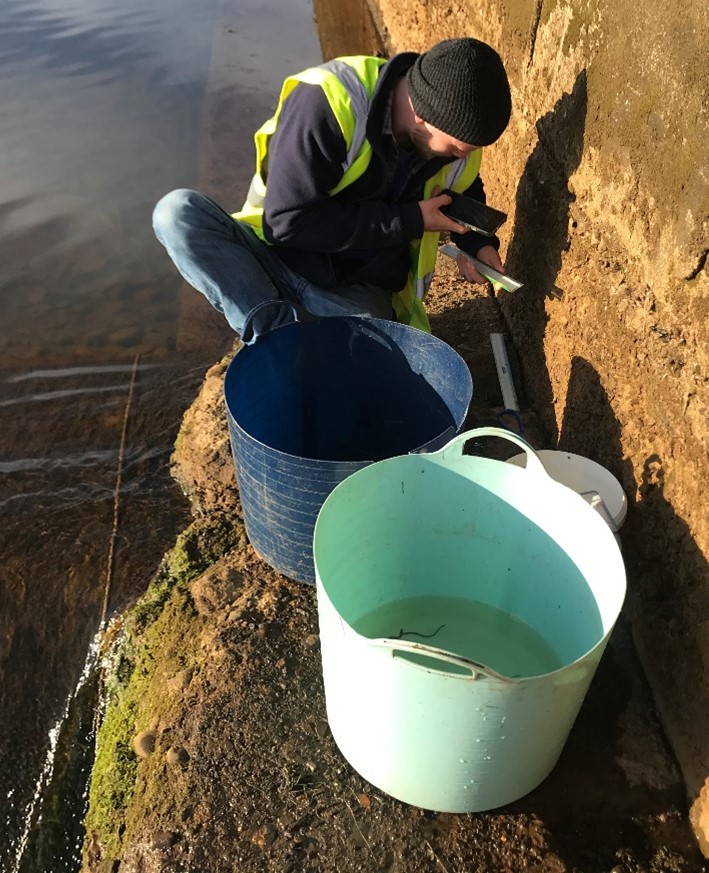
In the Forth, we have been working to make the many barriers more passable to eels through a variety of novel ways. Eels don’t need to remain in water and can move over wet land. This is why some barriers to fish like Atlantic salmon might not be barriers to eels. If there is a suitable slope or purchase for eels to crawl up and over, then they will manage to get past man made barriers. This is not always the case though and the fast flowing nature of some weirs in the Forth alongside steep or concreted side walls make barriers impassable to eels.
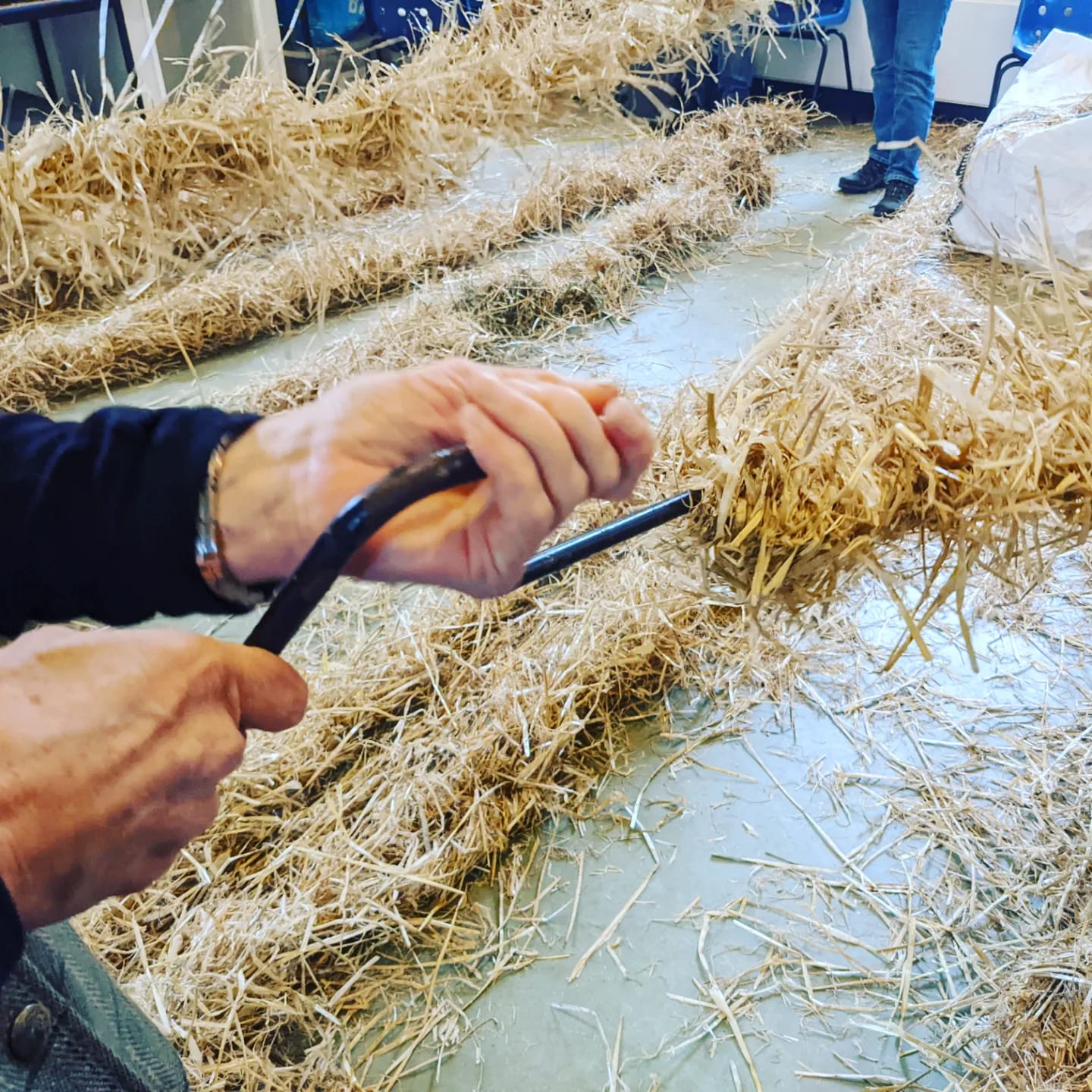
We have run a number of workshops for communities around the Forth to make eel ropes. These are biodegradable, cheap ropes of hay that can hang over weirs allowing eels the necessary purchase to pass the weir. Other passage techniques include eel bristles alongside fish passes and we will also be installing the very first Whoosh eel pass in the UK. We hope that these fish passage improvements will boost eel numbers in the Forth, helping them to recover over time but these actions need to be taken across the UK and Europe to be effective.