Electrofishing and invertebrate monitoring – Teith Tributaries
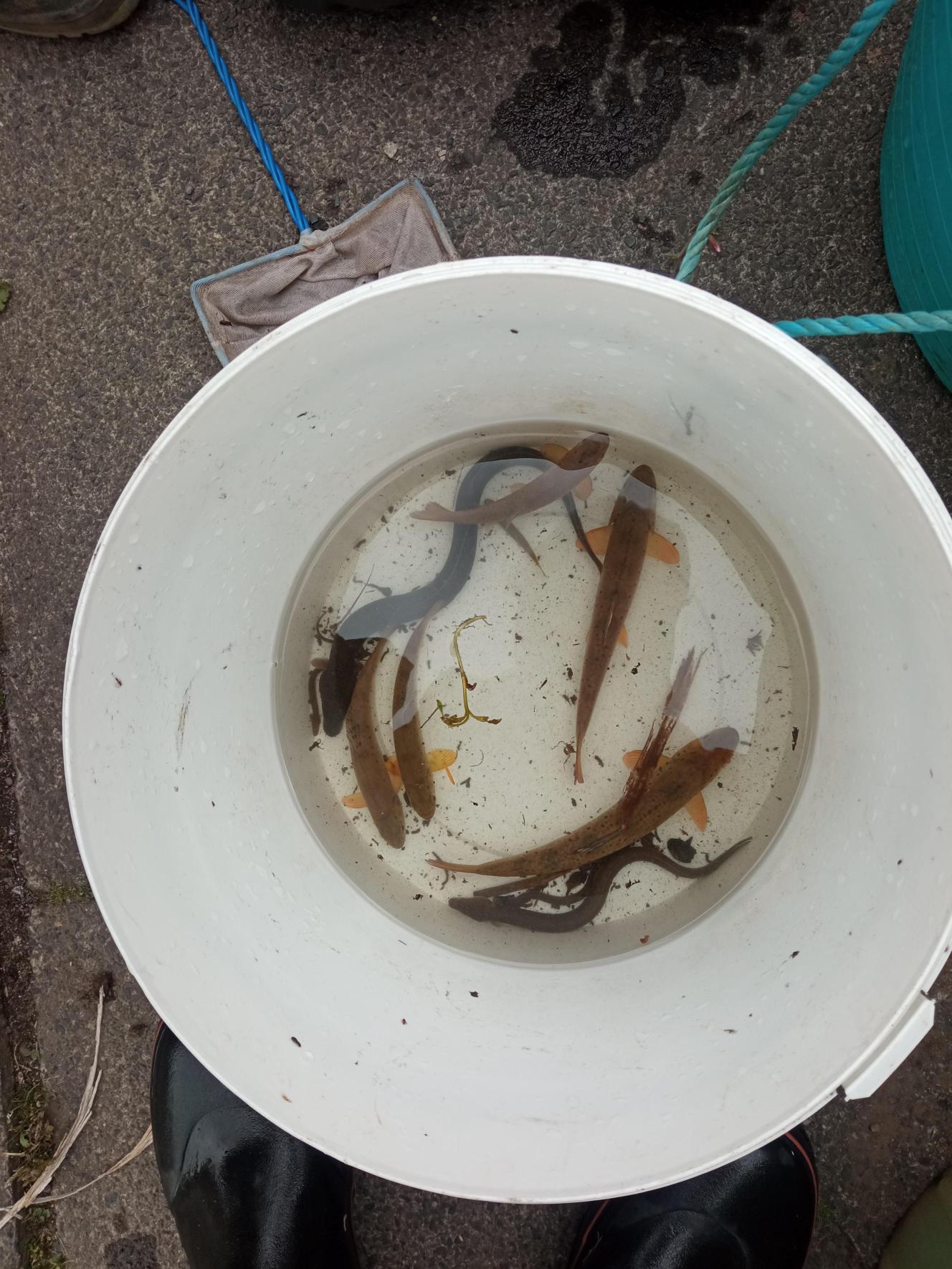
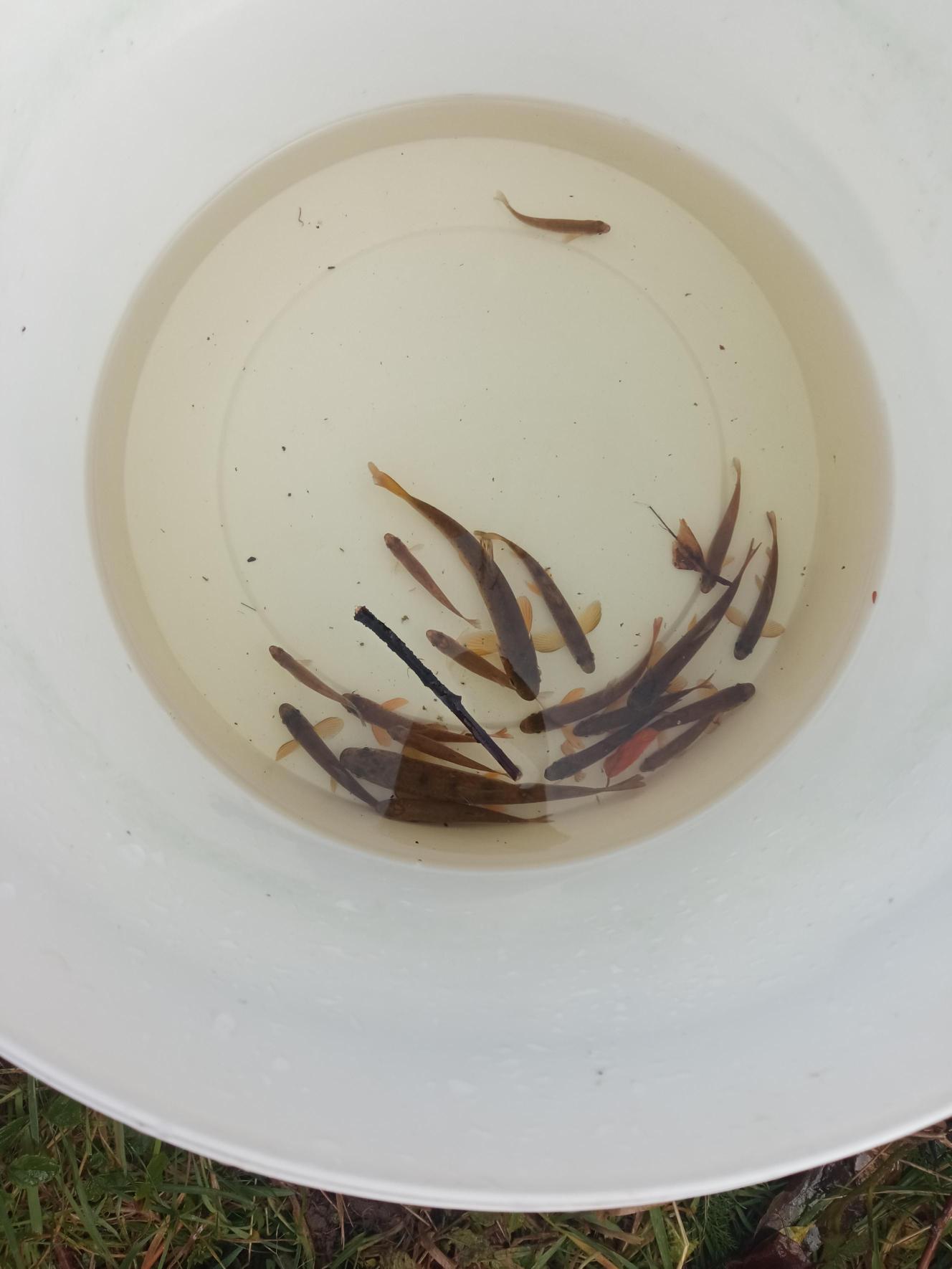
Last year we surveyed some of the better known River Teith spawning tributaries. The top three spawning burns were just as productive as ever – the Ardoch, Annet and Leny Burns. We found that the Kelty Water was not as productive as it once was, and the Calair and Larig were at the bottom of the productivity scale for the Teith.
The Calair and the Larig already have enhancement projects underway, and so in 2022, it was decided to survey more sites on the Kelty to better understand its lack of productivity. This will hopefully lead to the development of a restoration project in 2023.
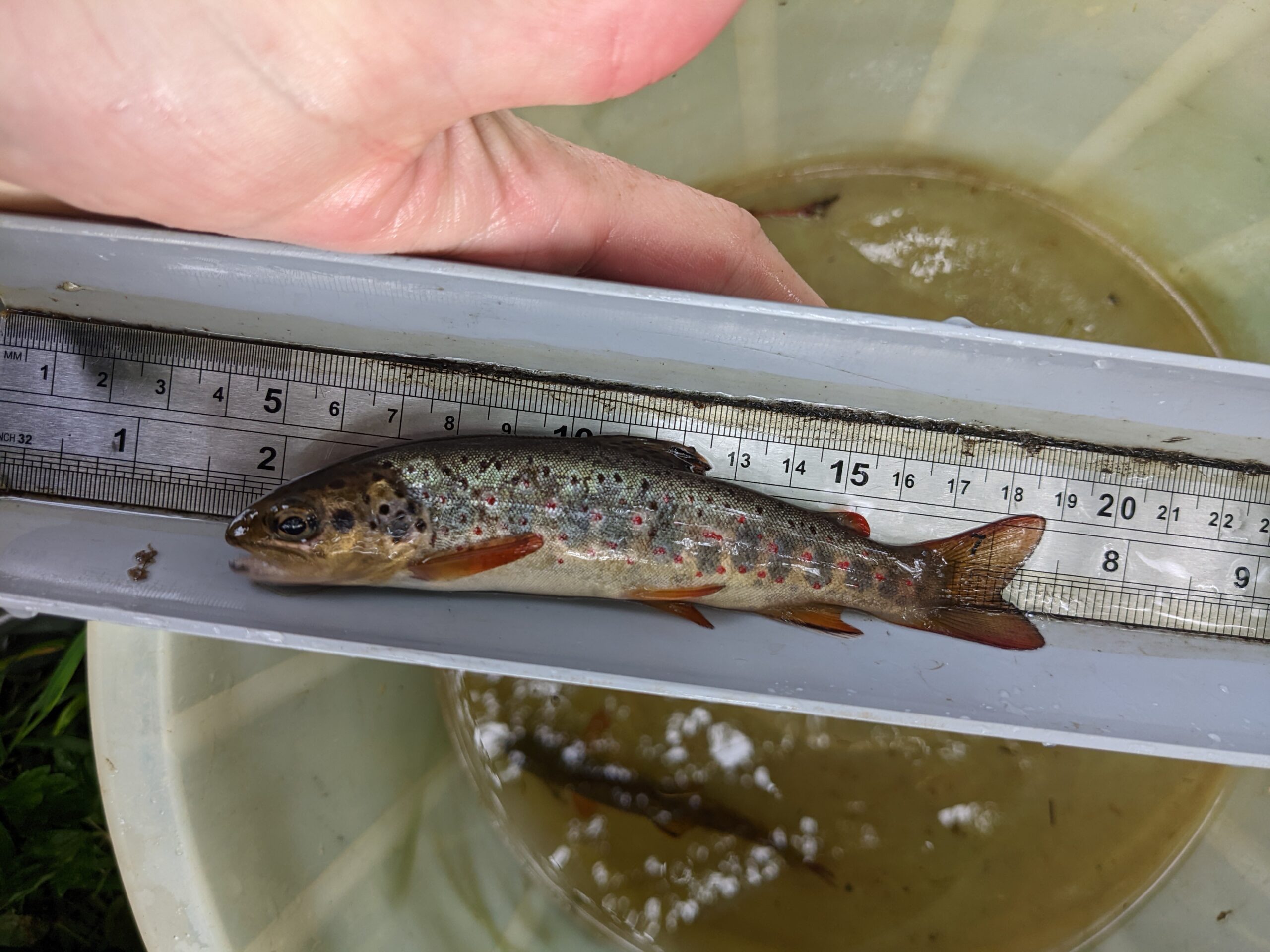
In 2022, seven less well known tributaries were also surveyed in the rest of the Teith, to see where they stand on the productivity hierarchy. The best of these lesser known tributaries was the Coillechat Burn. It had fairly equal proportions of salmon and trout in it, and had fry and parr of both species, which is a big win in the Forth District.
At the other end of the scale, the Invernenty Burn site had no salmonids in it, and very limited numbers of stickleback and minnow. A restoration project is already underway at this site, to see if some biodiversity can be enticed back into it.
Another interesting result was found at Mollands Burn, a very small tributary just upstream of Callander. This river is 1 to 2m wide, and perhaps unsurprisingly, had no salmon in it, but it did have a very decent head of trout, with mostly fry, some parr and the occasional adult being found.
The Turk, Drunkie, Stank and Anie Burns showed a similar pattern to each other. They all had both salmon and trout present in them, however, they showed very low densities of salmon compared to much larger populations of trout.
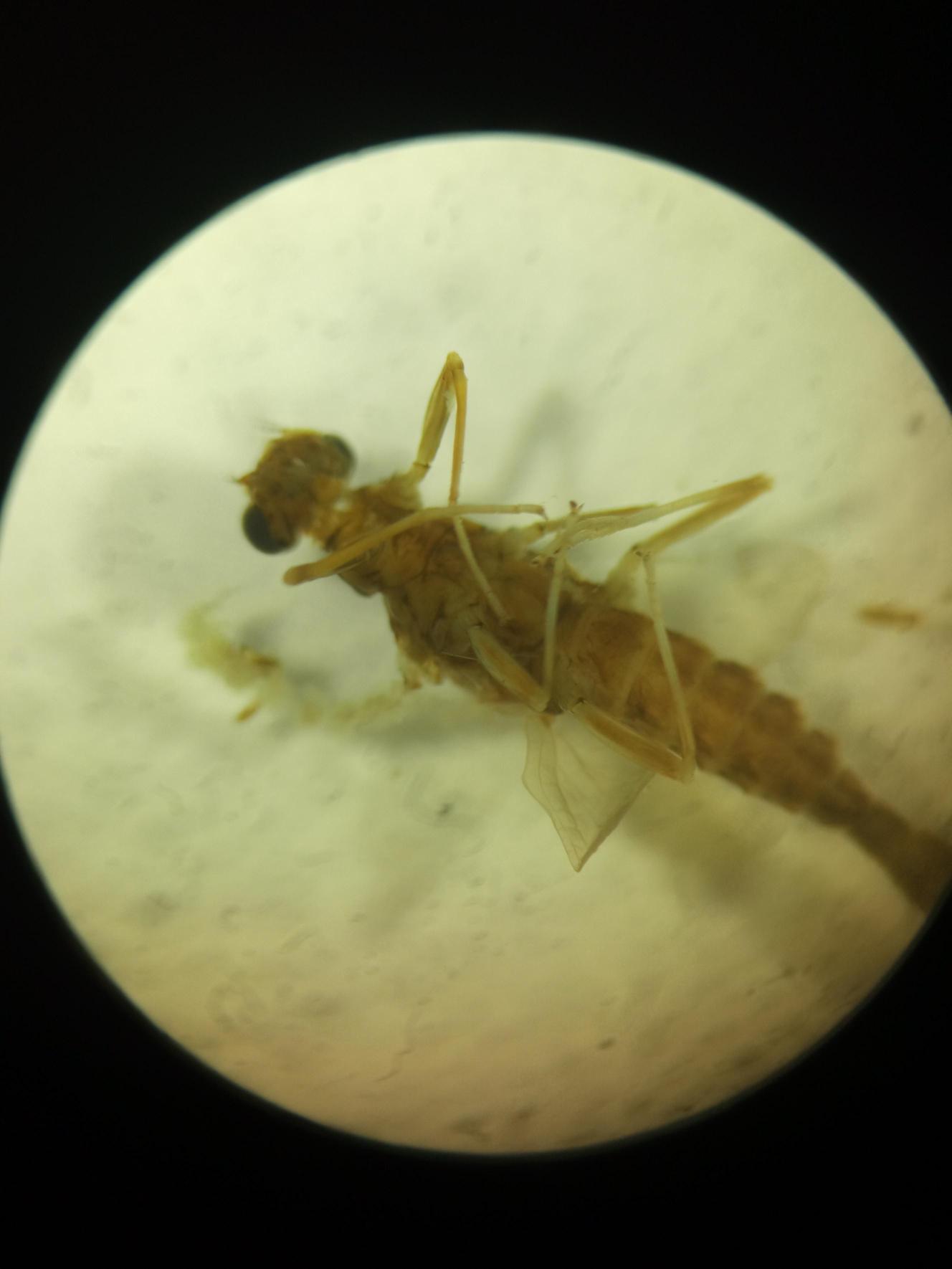
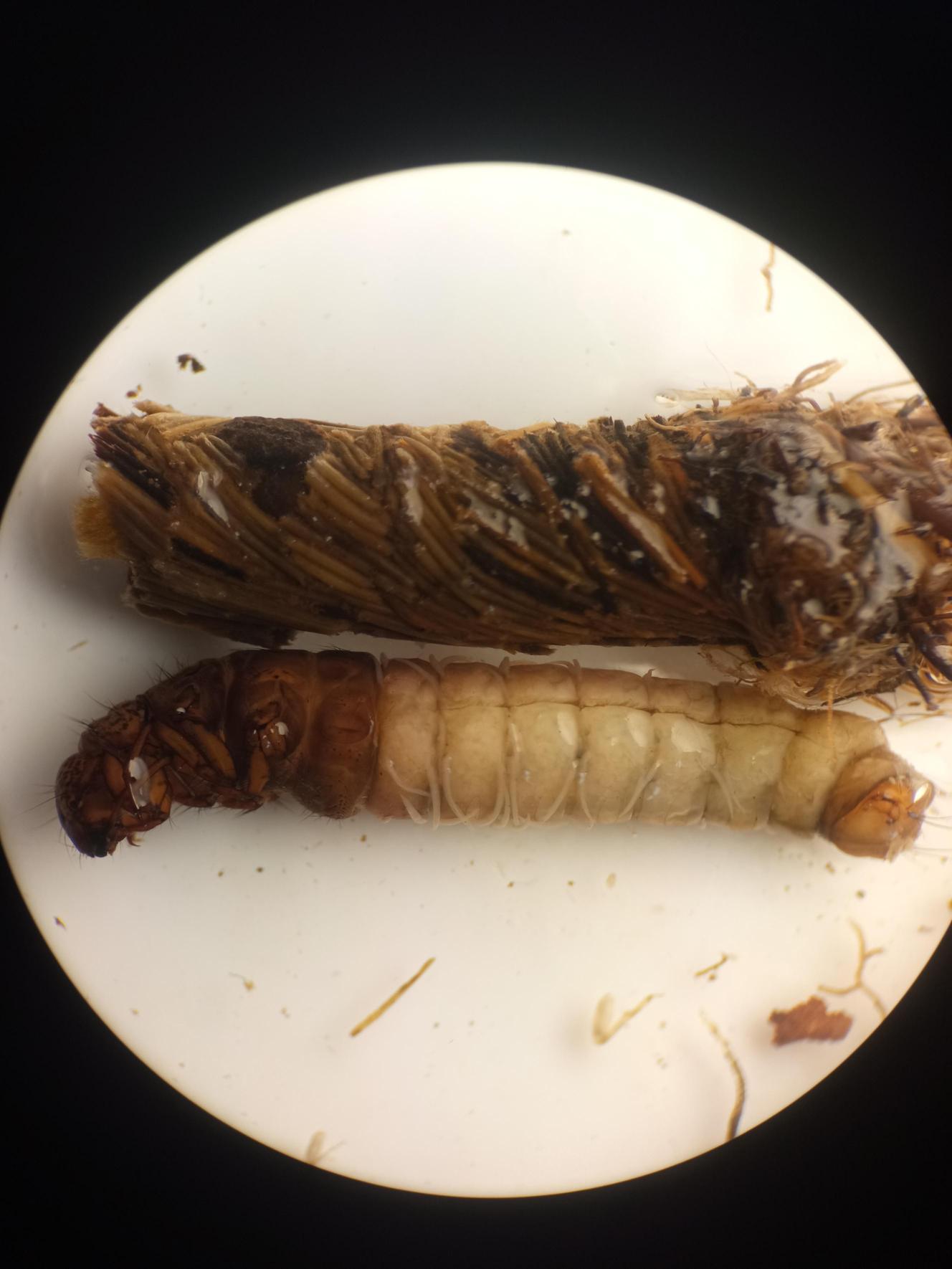
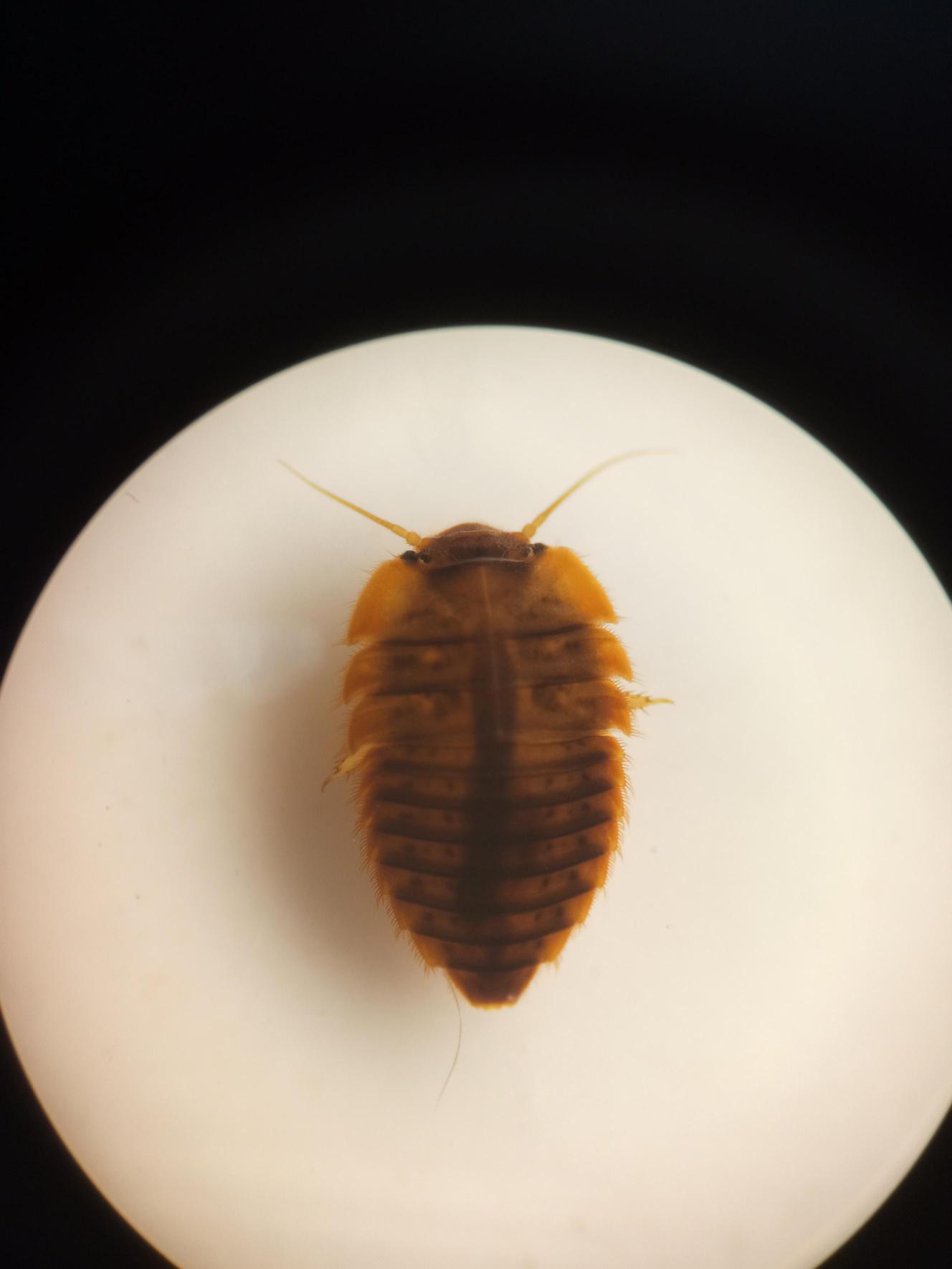
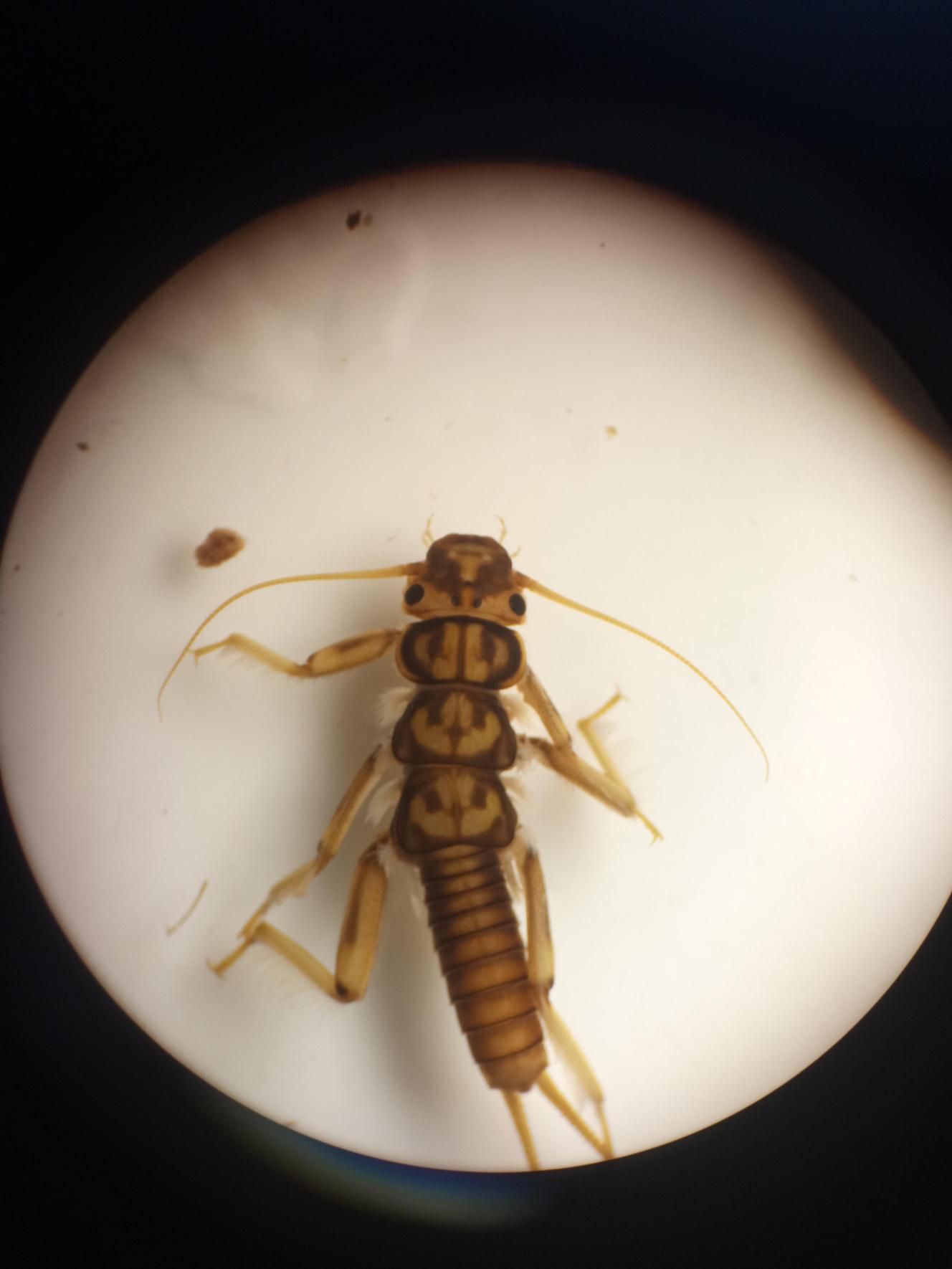
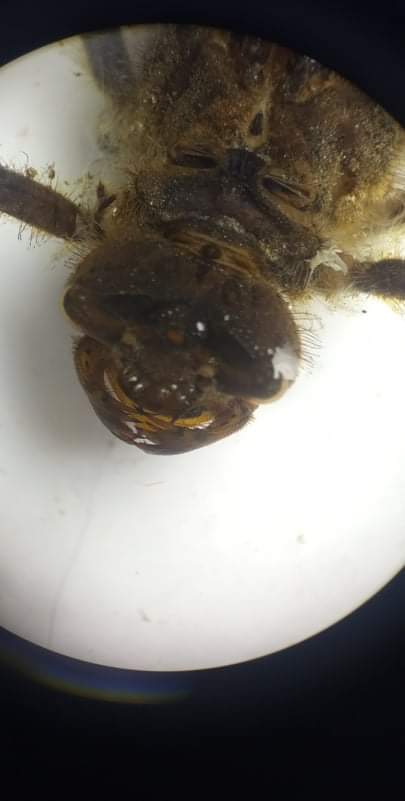
Aquatic invertebrate surveys were also carried on the Teith tributaries. Invertebrates tell us a great deal of information about factors affecting water quality such as environmental pollution and erosion. The Teith is one of our most productive rivers for Salmon and so monitoring water quality is vitally important, helping us identify areas that require attention or letting us know that there are suitably clean waters for spawning. All of the tributaries scored at least ‘Fair’ in terms of quality, with 8 of the 13 scoring in the ‘Good’ category for invertebrate communities. Although the comprehensive analysis of the invertebrate samples is yet to be completed, this high level data tells us that water quality is usually (but not always) of a good standard in the River Teith.