
‘Four legs good, six legs better’ by Iain Reid
George Orwell famously wrote ‘All animals are equal, but some animals are more equal than others.’ While Orwell’s metaphor related to the human hypocrisy of proclaiming equality in a world of privilege, it also allows me perhaps a little too much creative licence to introduce the concept of biological monitoring using freshwater invertebrates?
In the macroinvertebrate world not all animals are equal, with some being much more sensitive to pollutants than others (Figs 1-6). For example, the larvae of mayflies, stoneflies and caddisflies are particularly sensitive (like the canary in the coalmine) to sewage pollution and very quickly disappear from impacted rivers. Worms, snails and fly larvae are less sensitive and can tolerate much more pollution, sometimes even thriving in large numbers in these challenging environments. Inequalities are also present in response to different types of pollution – for example, stoneflies are incredibly sensitive to organic (sewage) pollution, yet highly tolerant of acidification and heavy metals. Further, as freshwater invertebrates spend from many months to years in our rivers, they may be affected by both acute and chronic pollution events. Thus, the type of organism and number of individuals found reflects the past and present environmental conditions.
The varying sensitivities of freshwater organisms across a range of pollutants makes them incredibly useful to biologists when assessing the health of the freshwater environment. This is done by taking a ‘kick sample’ – a timed kicking of the river substrate into a net to capture a representative snapshot of the invertebrates present. Differences in sensitivity of each organism are then translated into a score by biologists (with the most sensitive animals scoring the highest) and then the scores for the whole sample are added together. The higher the score, the healthier the environment. Such scores are known as biotic indices and they allow quick judgments about the state of the aquatic environment to be made.
The first biotic indices to be developed by biologists (such as the Biological Monitoring Working Party, BMWP index) allocated scores based on the sum of the different organisms’ sensitivities to organic pollution to indicate the overall health of the site. These early metrics did not measure the relative abundances (and therefore the true diversity of the biological community) of each taxon present, but later indices would take this into account and other biotic indices were developed to evaluate the type of community present. For example, biological communities associated with different flow types are assessed by the Lotic-Invertebrate Index for Flow Evaluation (LIFE) index while the Proportion of Sediment-sensitive Invertebrates (PSI) index highlights the extent to which the community is shaped by sedimentation levels.
Finally, we can use invertebrate data to assess whether our rivers are as healthy as we would expect them to be. Predictive tools such as SEPA’s River Invertebrate Classification Tool (RICT) use a large database of biological reference sites alongside environmental inputs (such as location, altitude, channel width and depth, flow rate, conductivities, and distance from source) from rivers throughout the country to generate expected biotic index scores for any given site if it were in pristine condition. Biologists can then use this software to compare their real (observed) scores gathered in the field with those generated by the model (expected) and make a judgment whether the river health is better or worse than would be expected. This tool yields tremendous insight into the current status of a river – all just from collecting some invertebrates and taking a few measurements!
While Orwell’s metaphor lends great insight into the structure of human societies, I won’t further abuse it other than to say, that in the world of freshwater invertebrates we can learn a tremendous amount about the health of our environment from the fact that all animals aren’t equal.
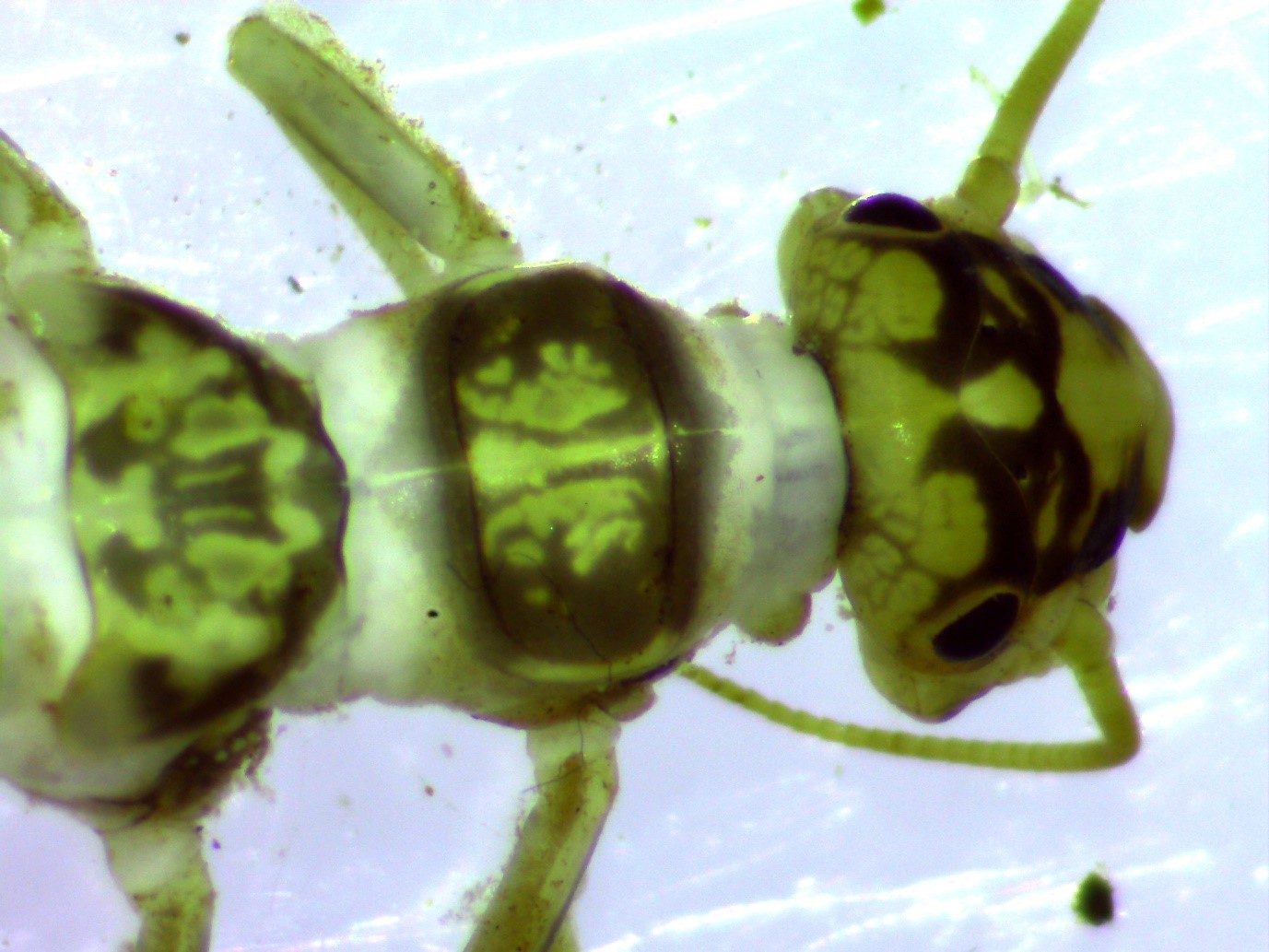
stonefly
Fig 1. A stonefly nymph from the Perlodidae family. Stoneflies are among the most sensitive invertebrates to organic pollution but can be highly tolerant of acid or metal contamination.
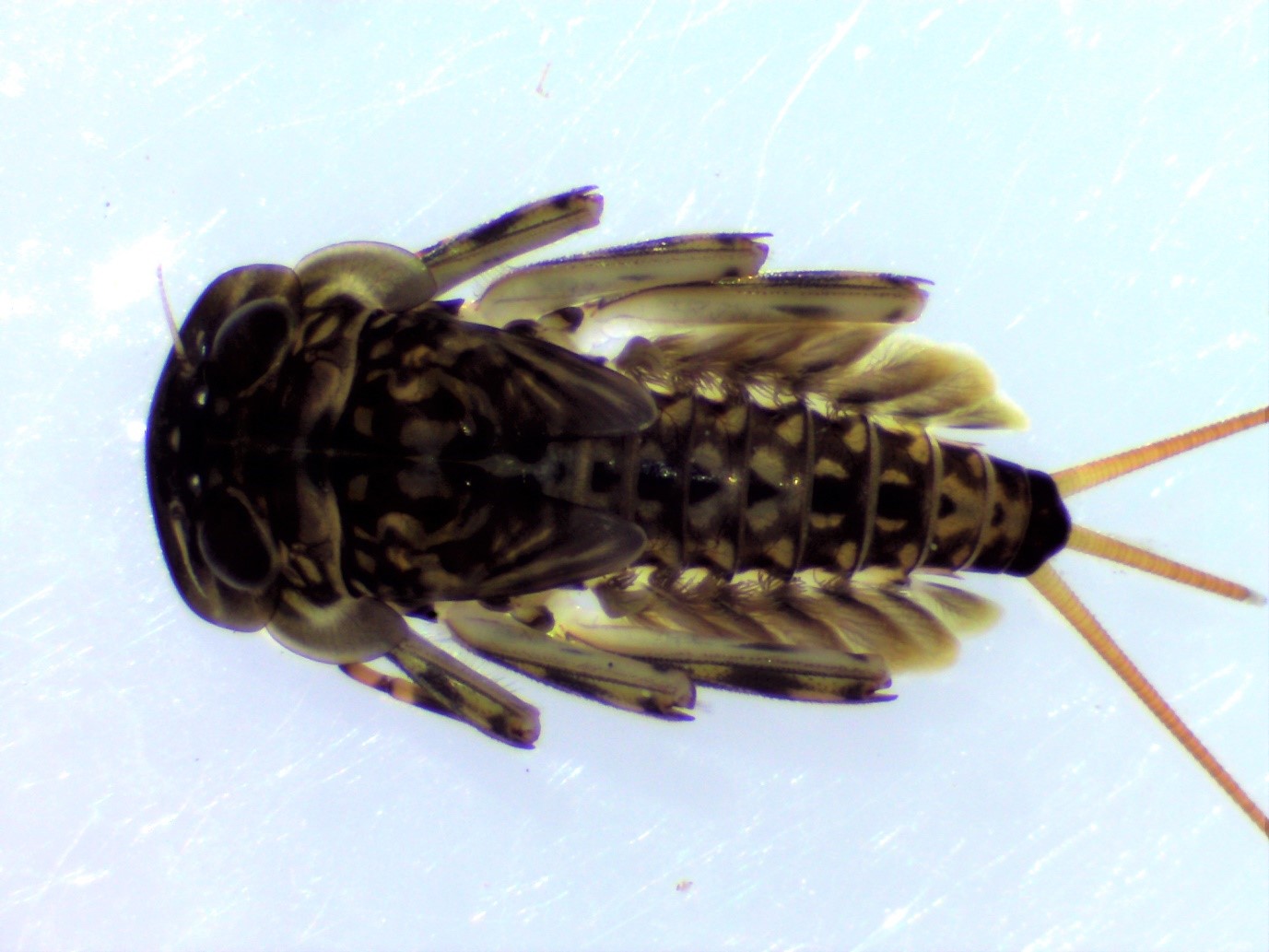
mayfly
Fig 2. A mayfly nymph from the Heptageniidae family. These flattened and hydrodynamic nymphs are adapted to fast flowing conditions and are highly sensitive to pollution.
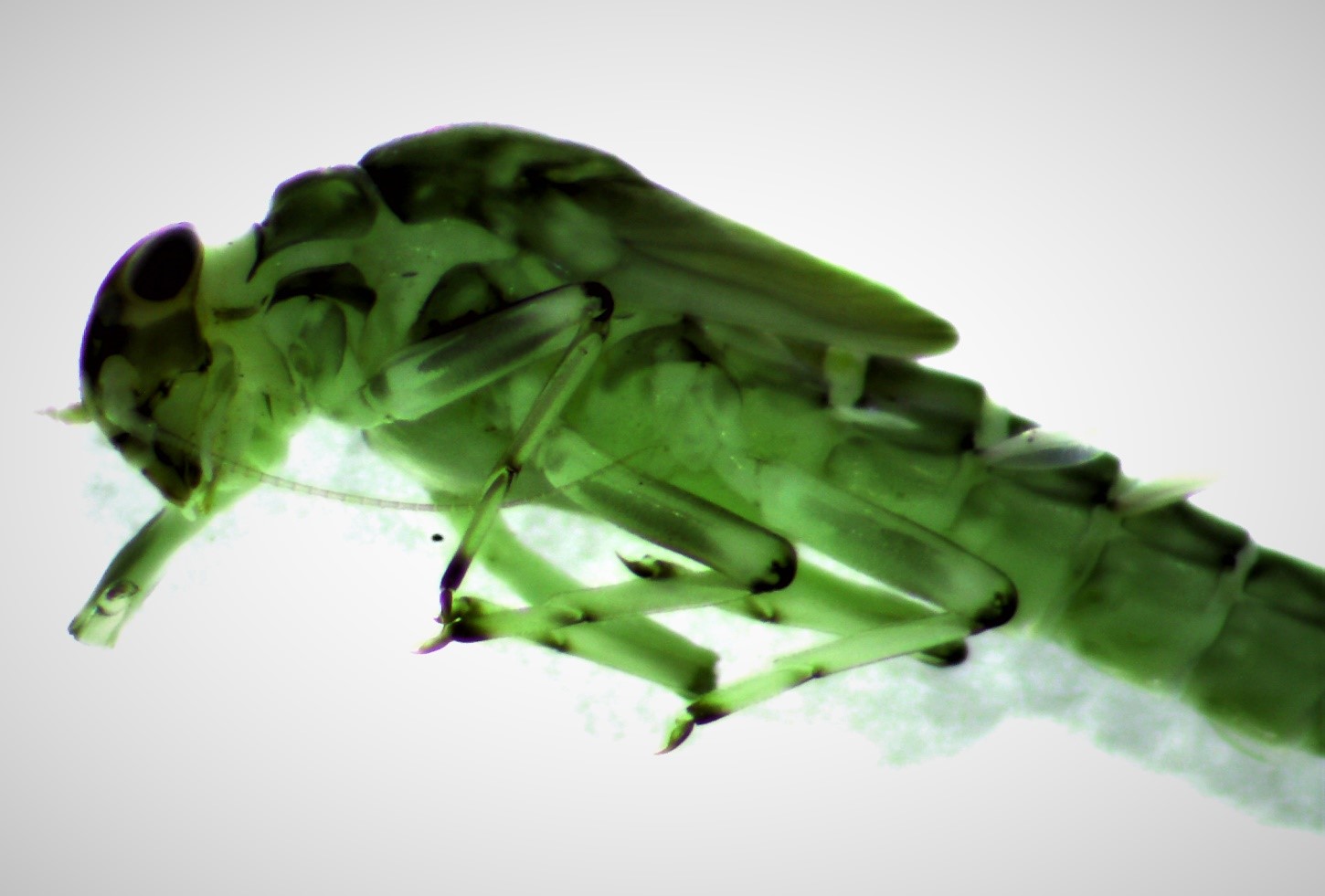
mayfly 2
Fig 3. A mayfly nymph from the Baetidae family. Mayflies from this family tend to be slightly more tolerant of organic pollution.
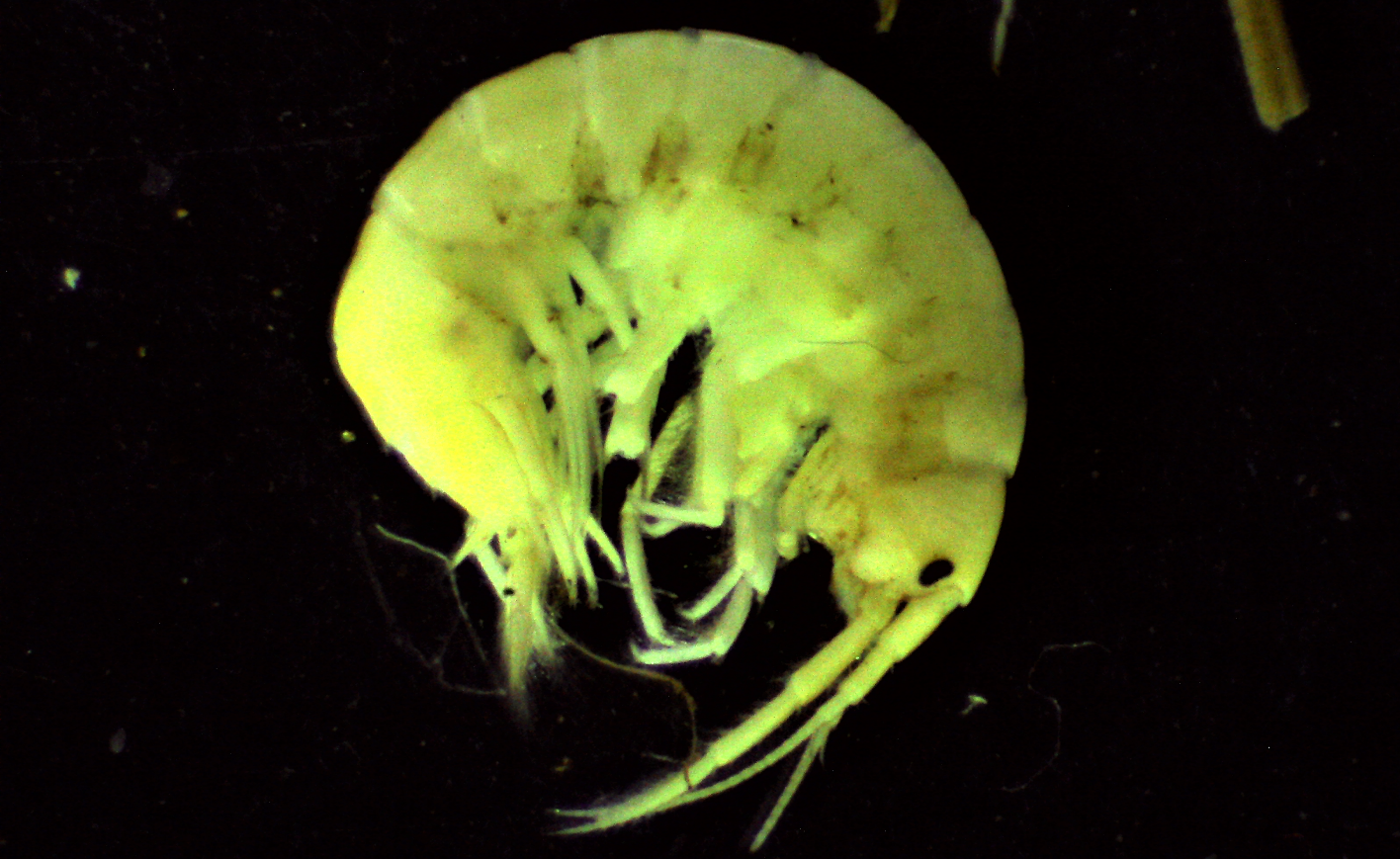
gammarus
Fig 4. A freshwater Gammarid shrimp. Crustaceans like these are less sensitive to pollution than most caddisflies, mayflies and stoneflies.
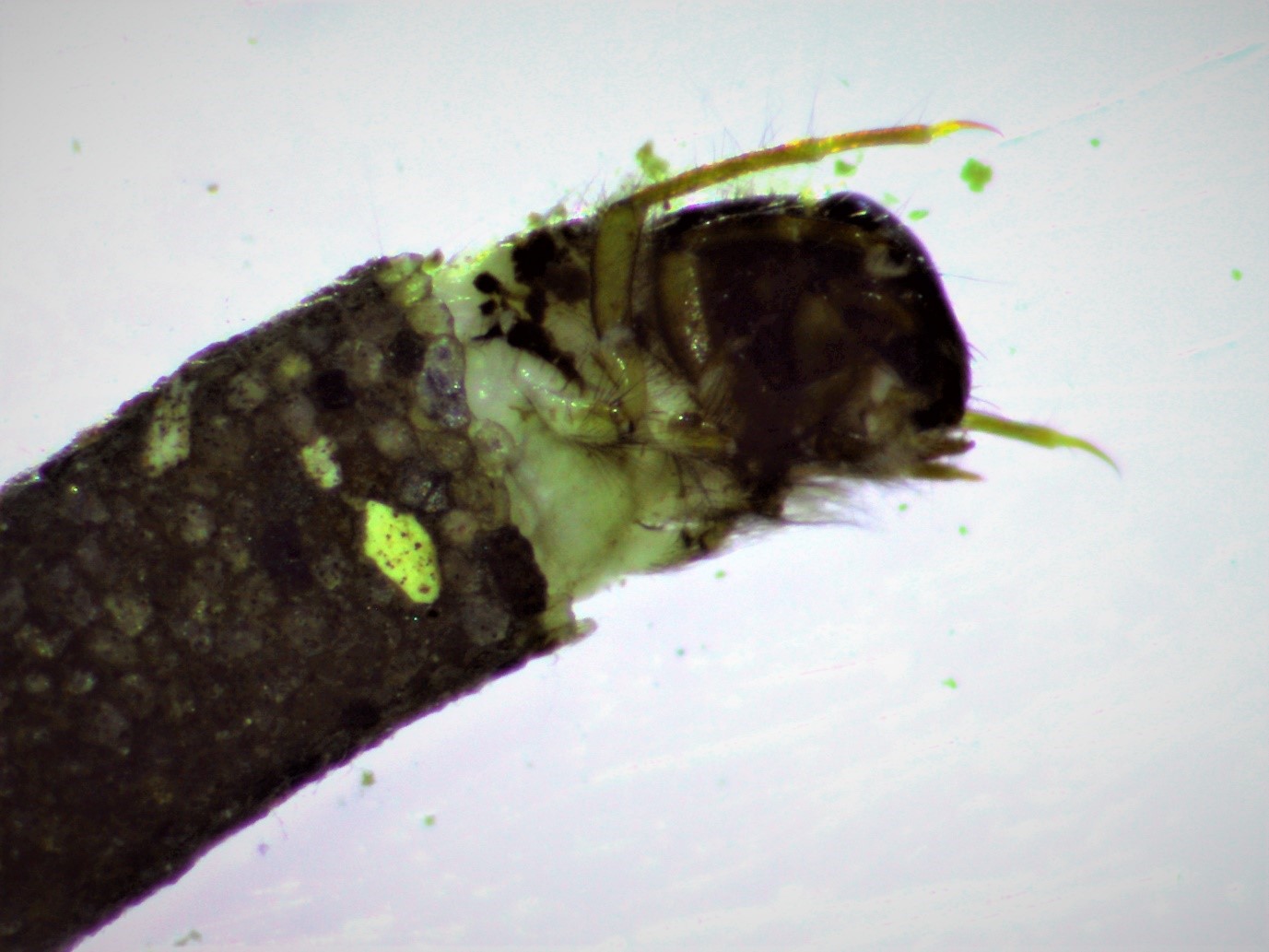
caddis
Fig 5. A caddisfly larva from the Sericostomatidae family which are sensitive to organic pollution. Caddisfly larvae construct cases built from silk stones, organic material and sometimes even other living organisms.
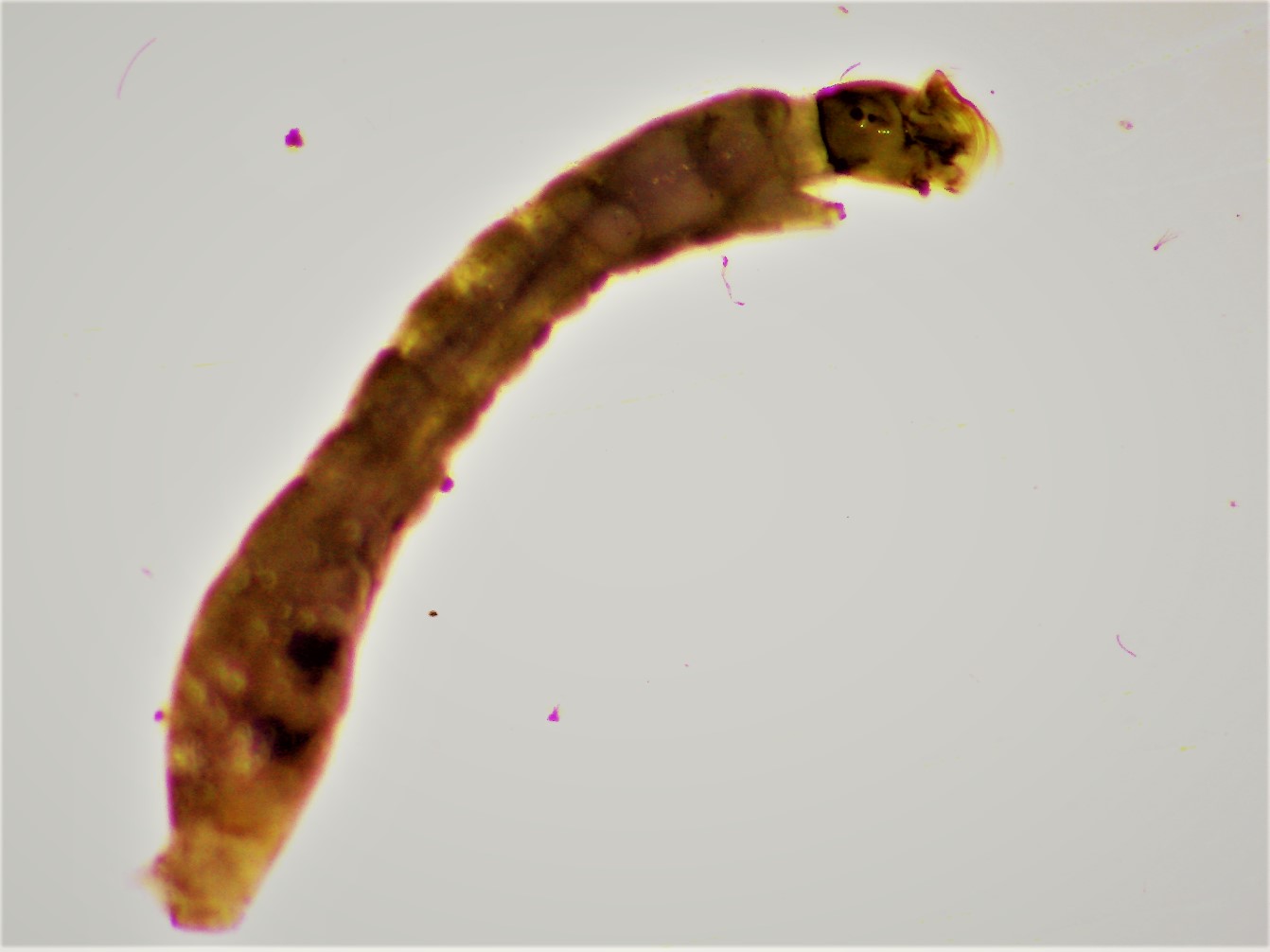
blackfly larva
Fig 6. A blackfly larva from the Simulidae family. These fly larvae are moderately sensitive to pollution.