
River Monitoring
Overview
Since 2013, the Forth Rivers Trust has been working with communities to control Invasive Non-Native Species along rivers within the Forth District. The majority of the works have been volunteer led, coordinated by the Trust and funded via various grant schemes. The works were initially under the Forth Invasive Non-Native Species Programme banner which has progressed over a number of phases.
INNS control still takes place across the Forth but not to the same extent as before due to limited funding and the amount in which the Trust can coordinate has declined over the years. The Trust still tries to support communities where we can through the loan of equipment, chemical (whilst stocks last) and advice and will always try to gain funding for control works.
If you are a community member or organisation who would like to tackle INNS along rivers in your community but need some advice and support please get in touch. You can also contact Scottish Natural Heritage who are the lead authority on invasive species in Scotland.
For more information on Invasive Non-Native Species please visit the Great Britain Non-Native Species Secretariat .
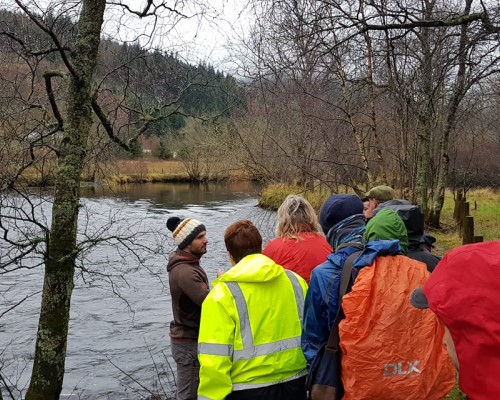
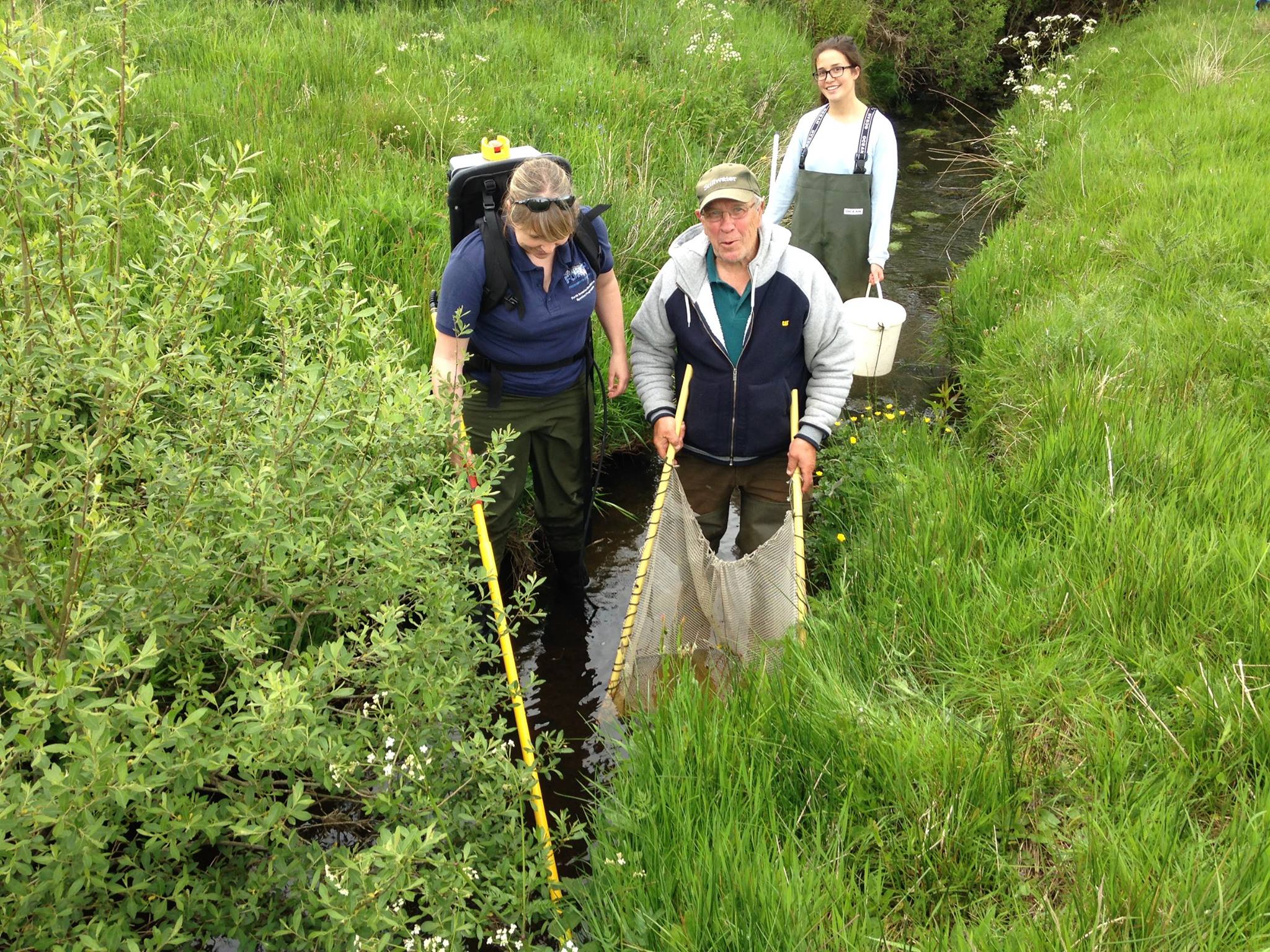
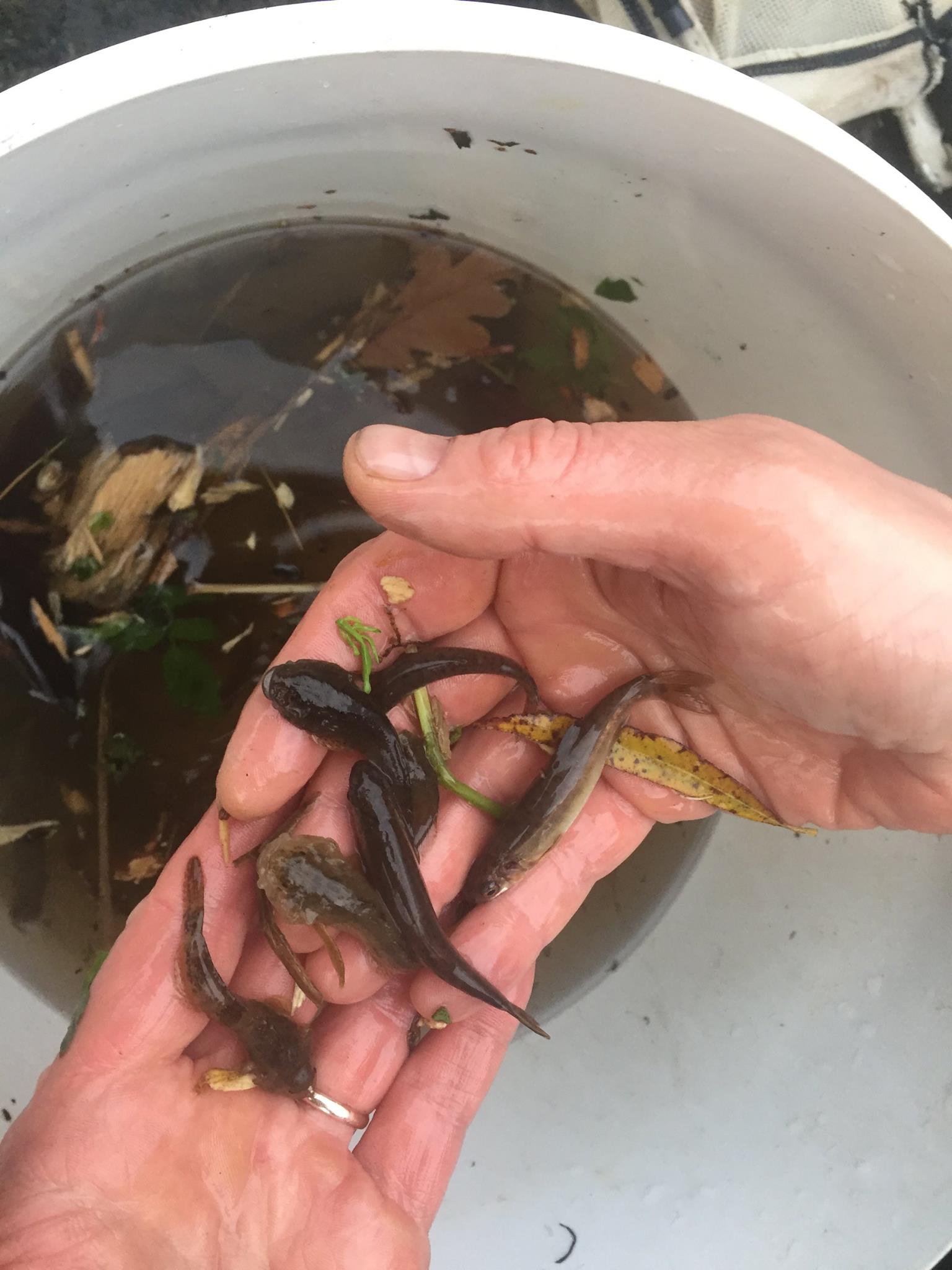
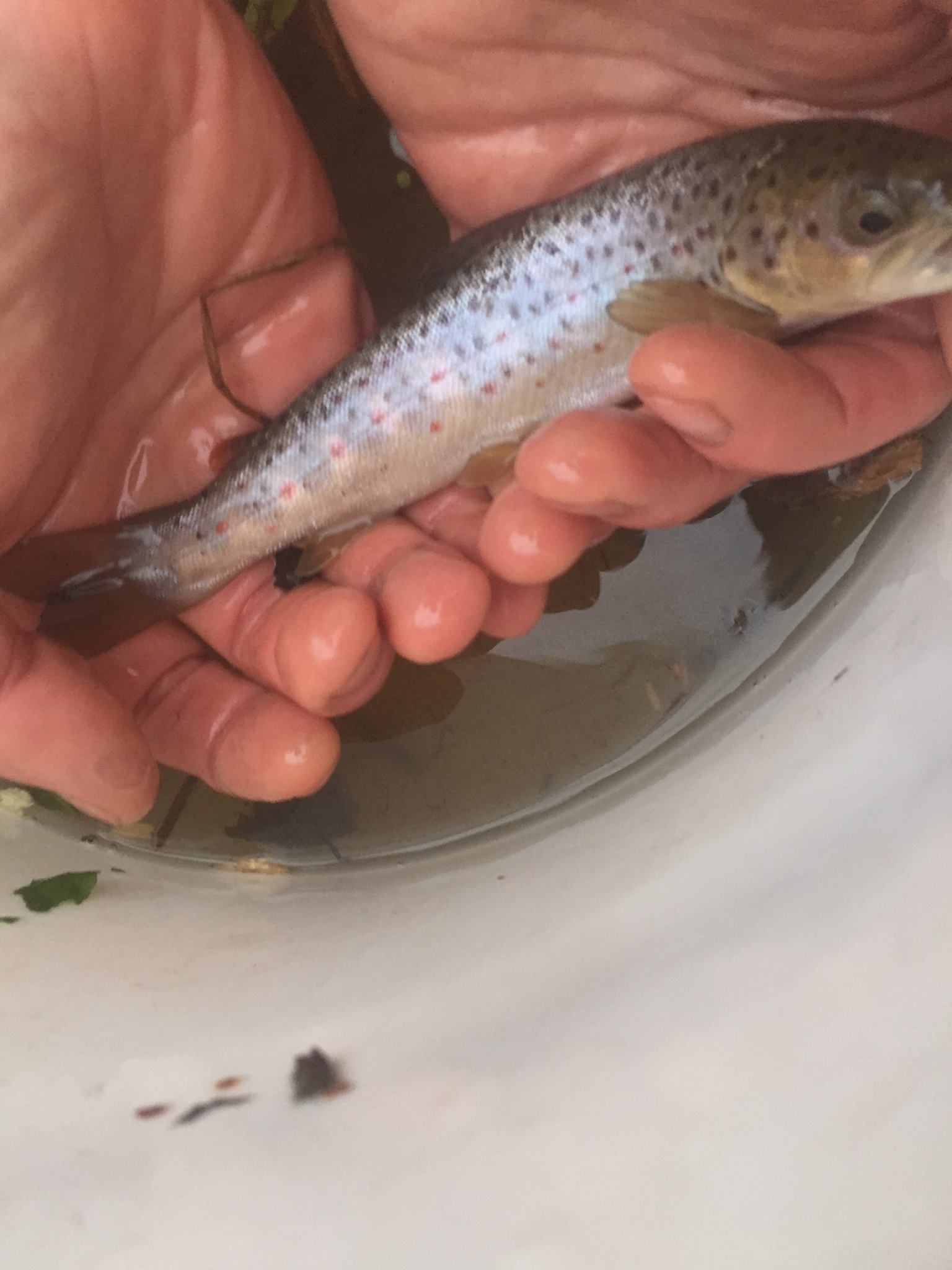

Electrofishing
Description
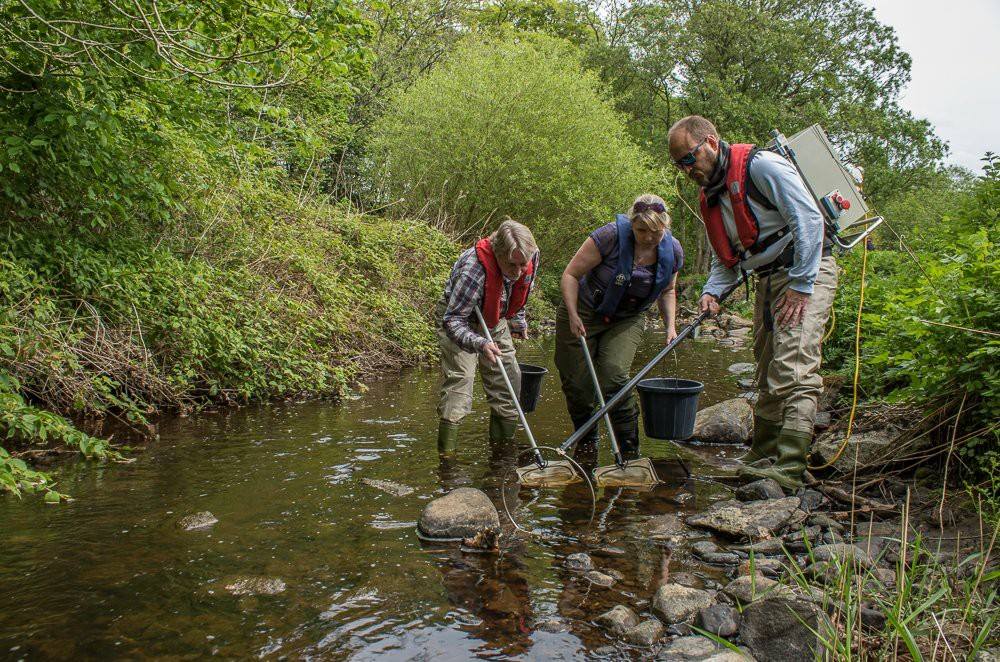
The Trust uses a method called Electrofishing to monitor and survey the health of fish populations in rivers throughout the Forth. Trust biologists try to get to as many sites as possible and without the help of volunteers we could not achieve everything we survey each year. If you think you would like to get involved with helping the Trust monitor fish populations in the Forth please get in touch or sign up to our mailing list.
Redd Surveying
Description
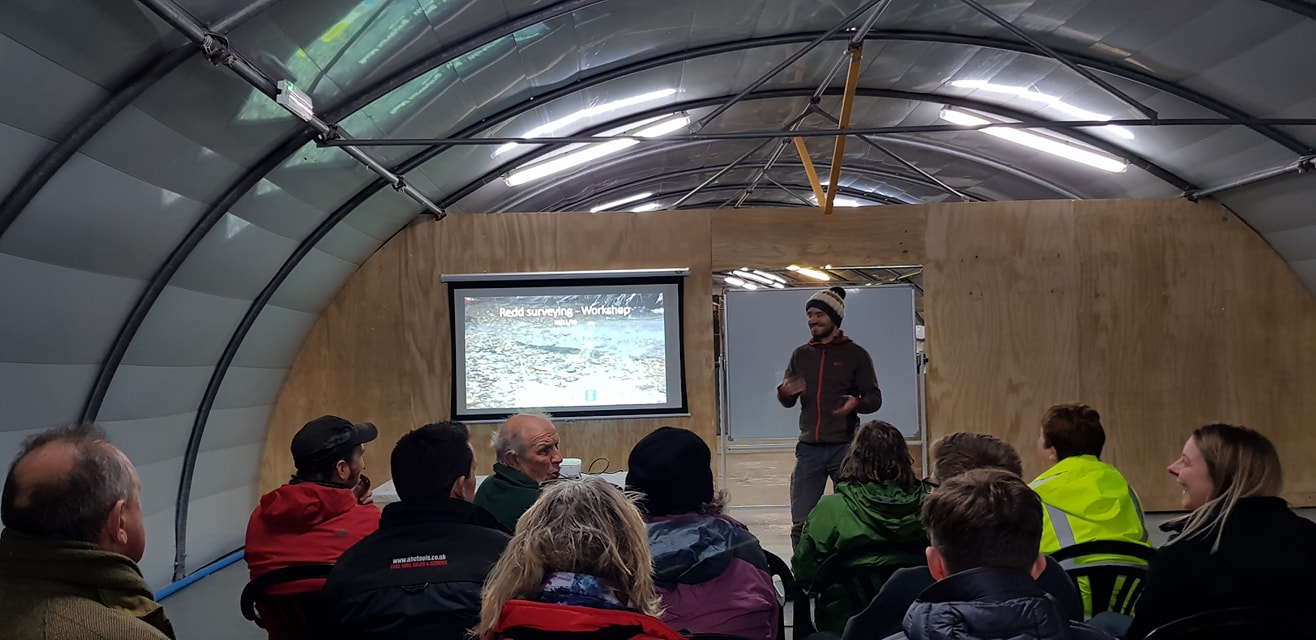
Redds are nests created by salmon and trout within rivers and monitoring their abundance helps determine the amount of spawning taking place within a catchment. Each year we survey the Forth, Teith and Allan Water catchments to monitor the amount of spawning activity taking place. We run a workshop in November to train volunteers on how to spot redds and what information to collect. Volunteers are then paired and assigned survey areas to survey during December or January. If you would like to get involved and help survey for salmon or trout redds then please sign up to our mailing list or get in touch.

Habitat Monitoring
Description
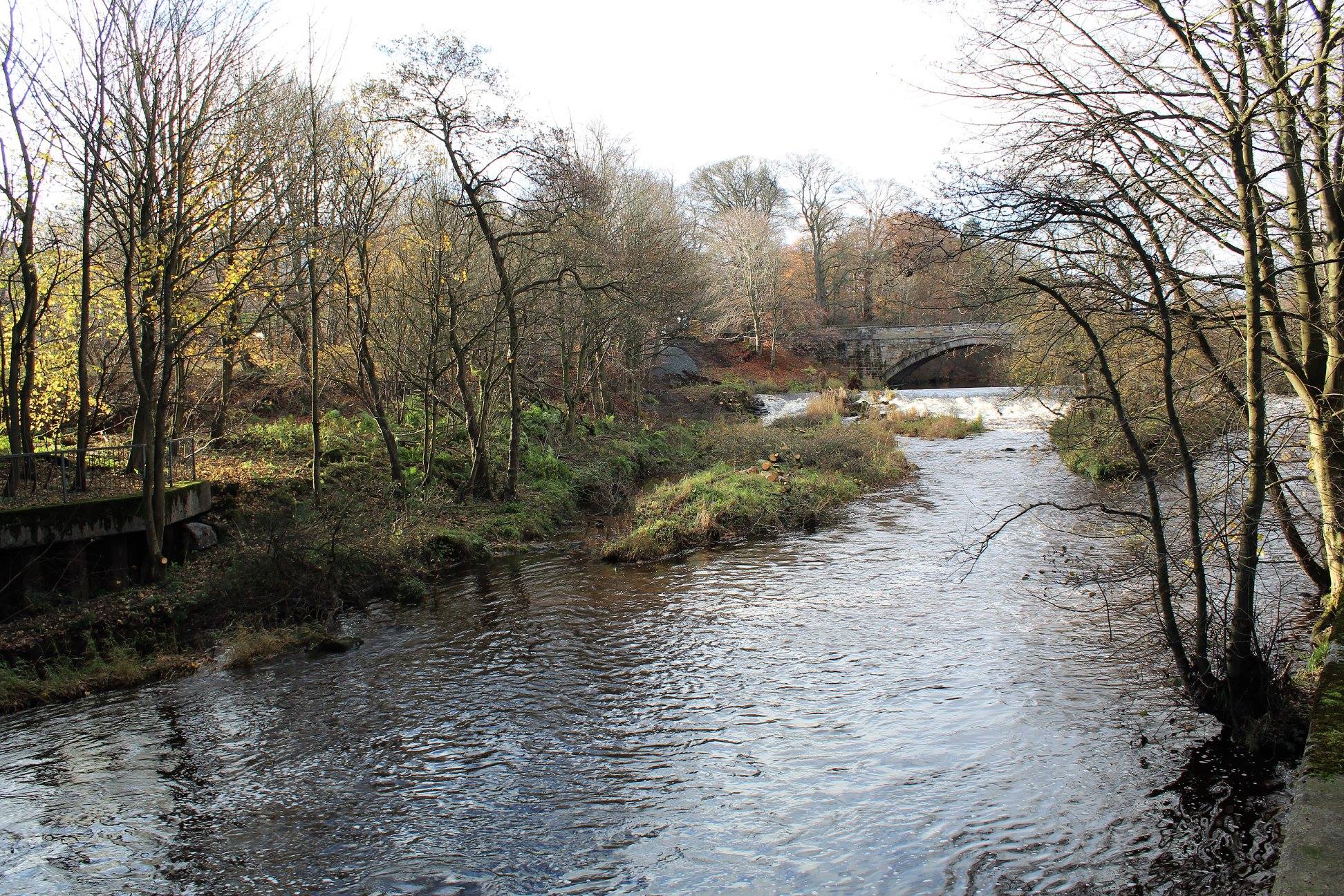
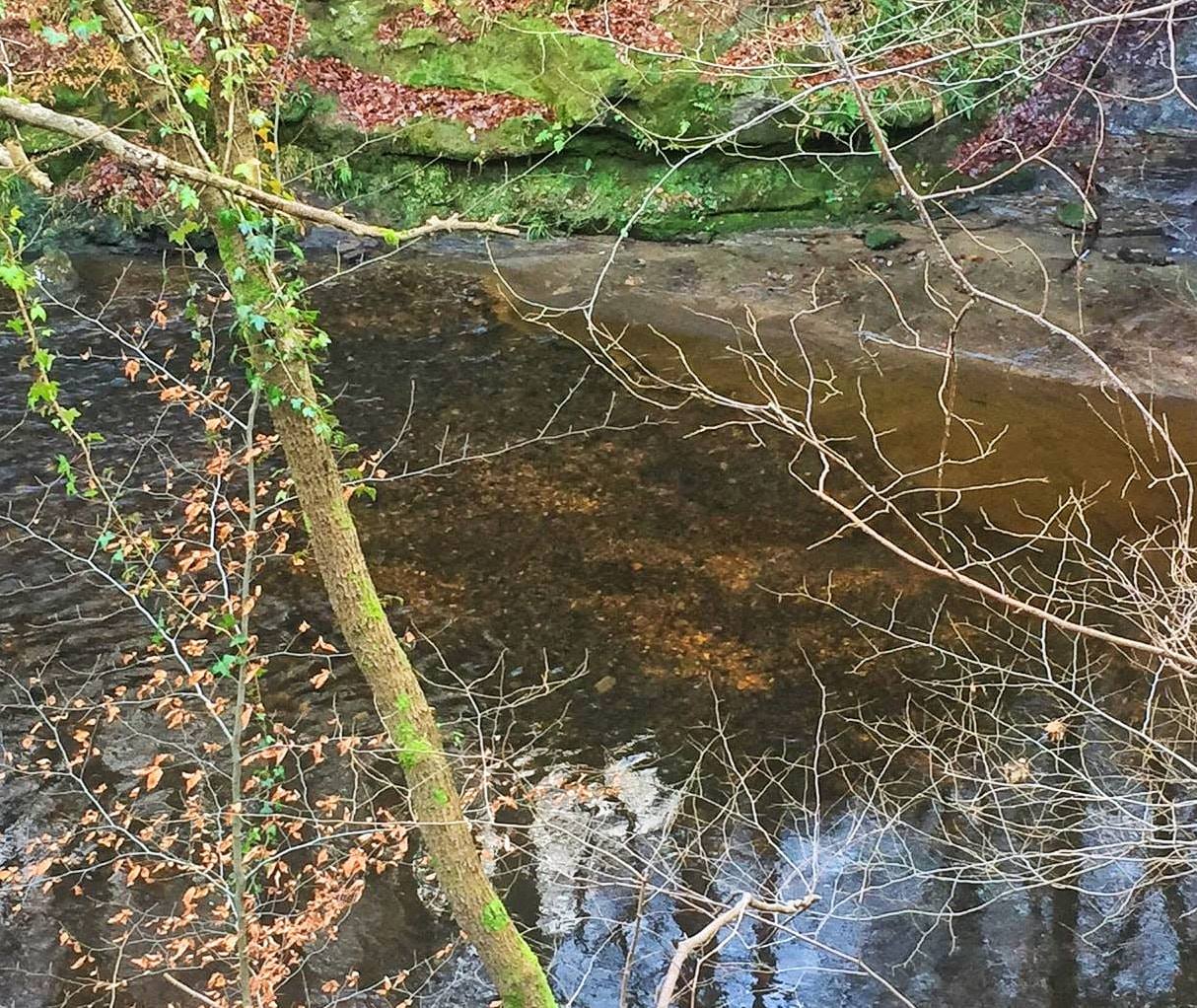
Monitoring habitat within rivers is important to create a better understanding of the past and current management which is having an impact on rivers. The Trust from time to time surveys habitat within rivers with the assistance of volunteers. This involved walking a stretch of river and mapping out flow types, riparian tree cover and other features of the river and river bank.
If you would like to get involved with habitat surveying please get in touch or sign up to our mailing list.
Riverfly Monitoring
Description
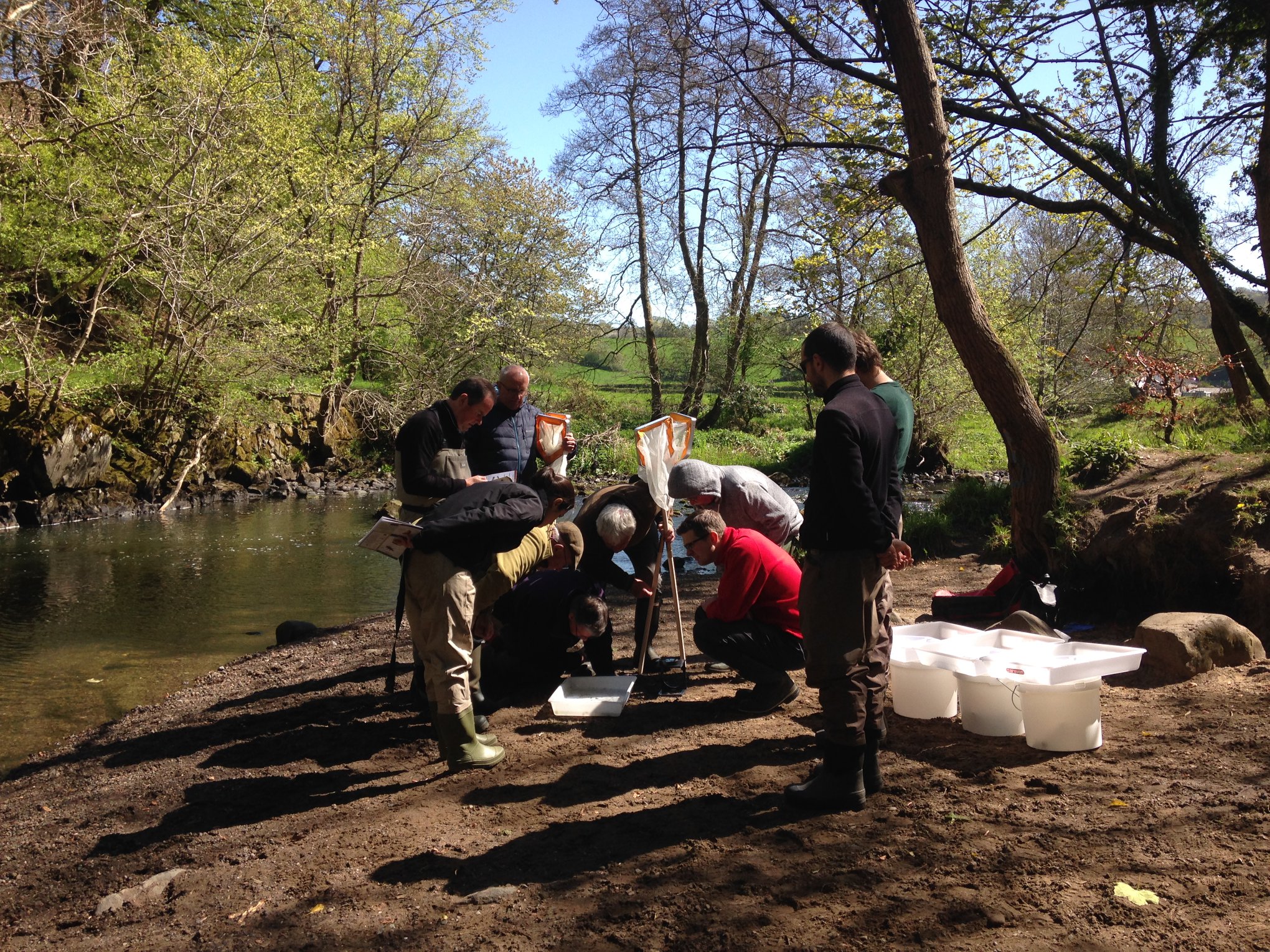
River flies are the invertebrates (small bugs and critters) living within rivers and tend to be a vital source of food for a range of wildlife such as fish, birds or other insects. Monitoring these invertebrates can tell us the health of a river as certain invertebrates prefer clean and healthy water. The Trust is supported in surveying river fly by dedicated volunteers monitoring their local rivers on a monthly or two monthly basis. Volunteers are trained in the Anglers Riverfly Monitoring Initiative protocols which are a nationally recognised survey method recognised by SEPA. Volunteers then submit their information into a national database which lets River Trust’s and agencies monitor rivers and detect pollution issues.
Currently we only run Riverfly monitoring on the River’s Almond & Avon but keen to expand out to other areas. If you would like to get involved with river fly monitoring please email the Trust at trust@forthriverstrust.org