Invasive Species Control 2021
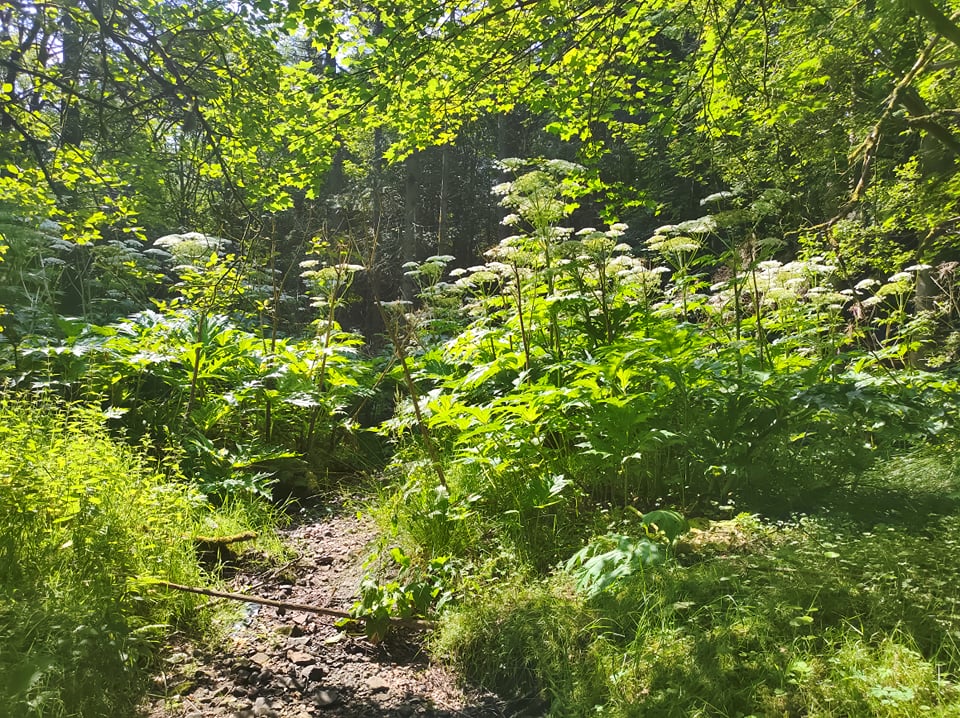
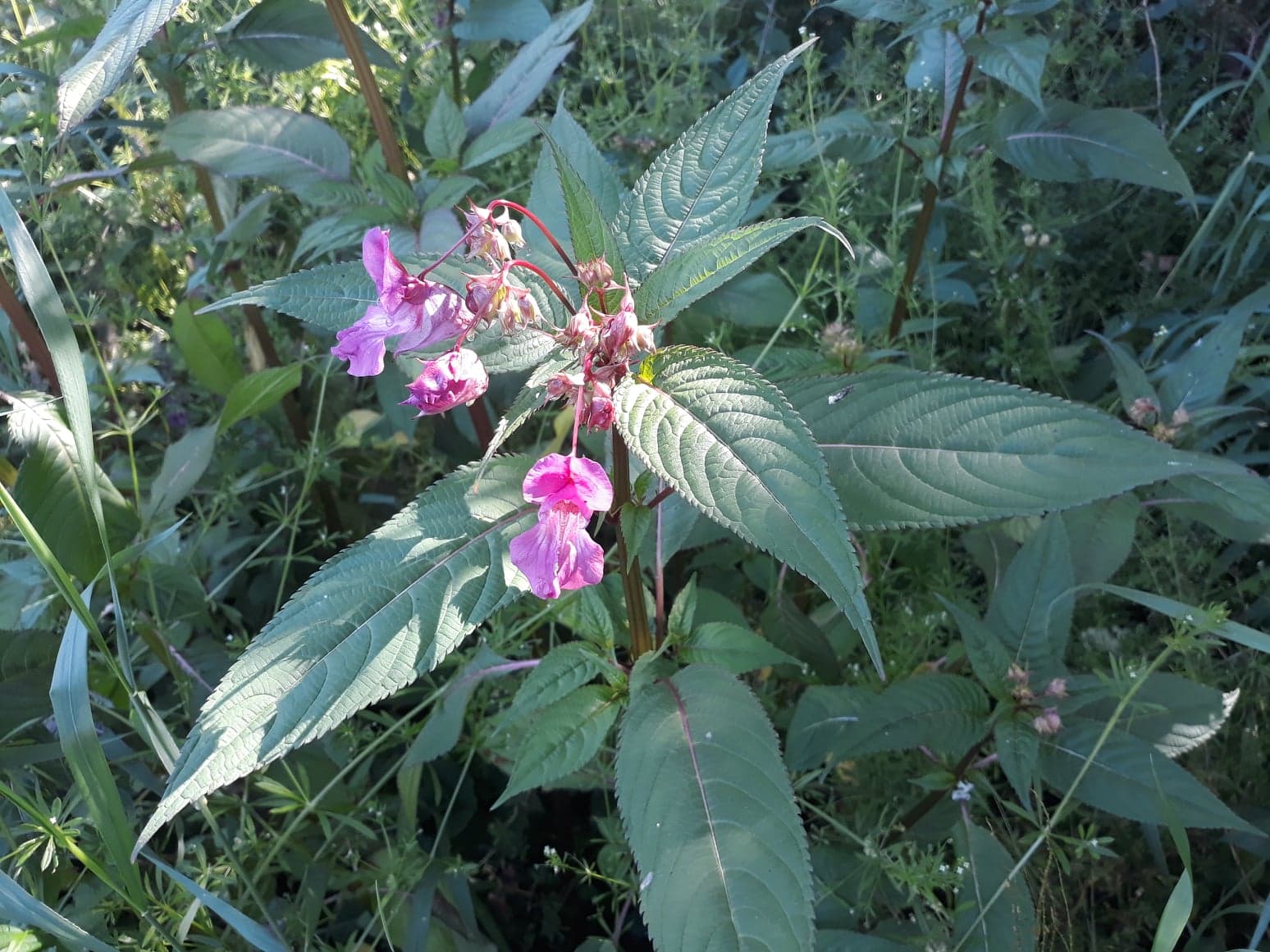
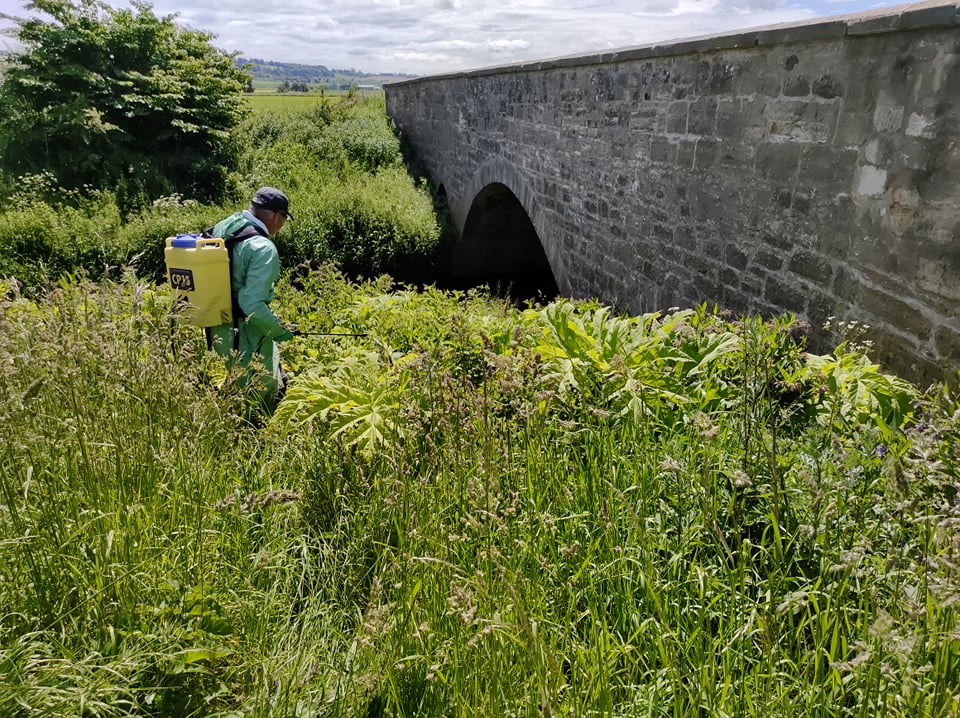
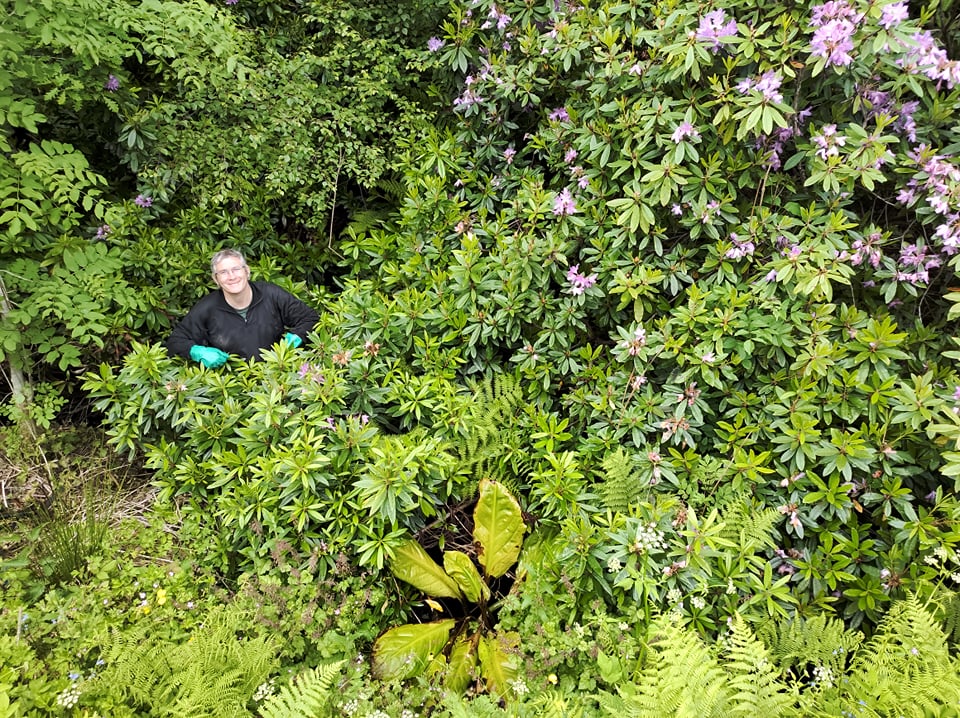
This year the Forth Rivers Trusts continued its battle against Non-Native Invasive Species. Giant Hogweed, Japanese knotweed, American skunk cabbage and Himalayan balsam where targeted across the Loch Lomond and Trossachs National Park within the Forth and Teith catchments thanks to continued funding from the Loch Lomond & The Trossachs National Park . We have also tackled Giant hogweed on parts of the river Leven and the Allan Water. These plants were brought to Scotland during the 19th century and they have spread and established large populations throughout Scotland. They create a dense understory in their respective habitats and with no natural inhibitors they outcompete native species.
This year we have seen vast improvements in areas that have been treated consistently and hope to see more of the same improvements next year. We have seen the greatest biodiversity changes in areas where groups of volunteers have helped us hand pick Himalayan Balsam. In these areas the understory of woodlands is already more biodiverse with native wildflowers and shrubs allowed to grow through the understory which was previously dominated by Himalayan Balsam.
To help improve the quality of our rivers these Non-Native Invasive plant species need to be kept under control. Because of our large catchment area, it is hard to find all the invasive plants around our rivers. If you see what you think is an invasive plant or would like to help tackle non-native invasive species, please contact us at k.hind@forthriverstrust.org. If you would like to learn more about invasive species please go to the Non-Native species secretariat website: http://www.nonnativespecies.org/index.cfm?sectionid=132.
A huge thank to all the Forth River Trust and Loch Lomond and Trossachs National Park volunteers for helping us cover as much ground as possible. This year was not easy for volunteers, but we appreciate the help and hope to get back to normality next year.