MERLIN – Local Delivery in a European Context
By Huw Streater and Niall Provan
The Firth of Forth catchment being designated as a case study for the EU MERLIN project is an important leap towards recognising the national, and even international importance of the Forth and its surrounding landscapes in the context of conservation. The EU MERLIN project seeks to address the issues of biodiversity loss and climate change through the restoration of river, wetland and peatland ecosystems – these efforts are being distributed across 17 case studies over the whole of Europe.
The Forth has almost all you could think of in terms of landscapes and land-uses, from the upper reaches of the Loch Lomond and Trossachs National Park beyond the Highland Boundary Fault line, to the farmlands of Strathallan, which in particular is seeing a focus during the first delivery year of MERLIN. Multiple opportunities have been identified already, developed off the back of the already great work carried out by Forth Rivers Trust colleagues in the area.
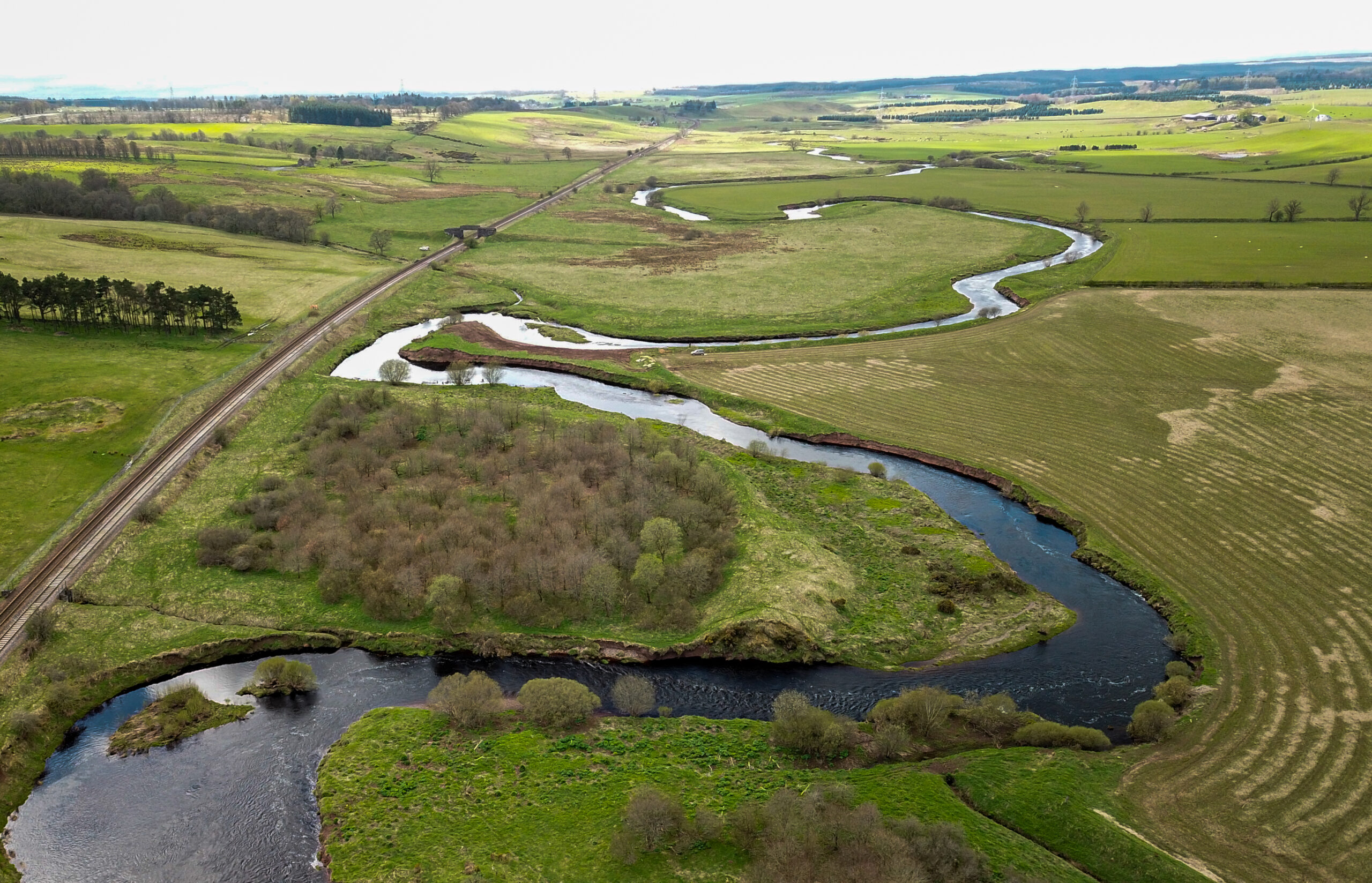
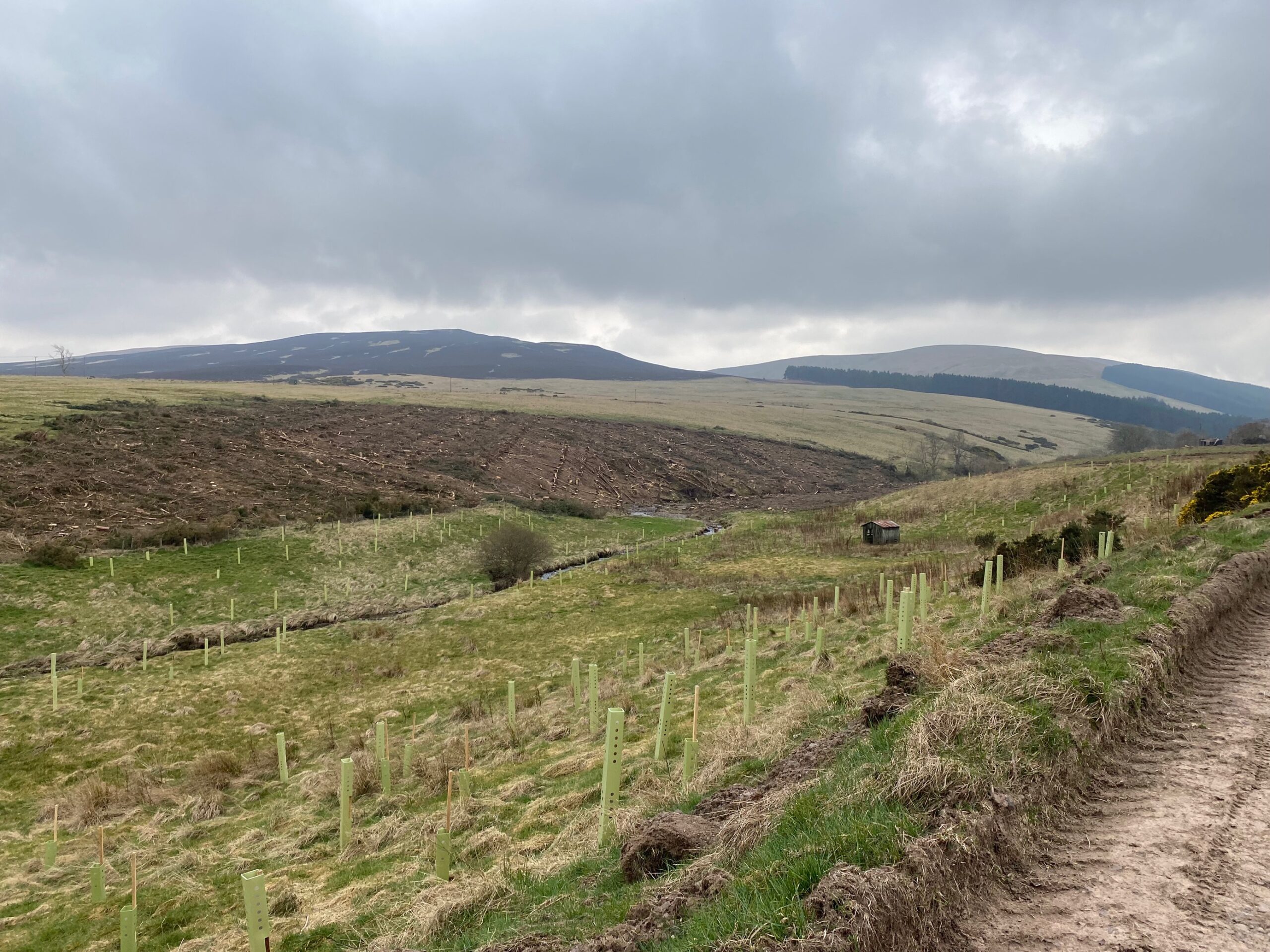
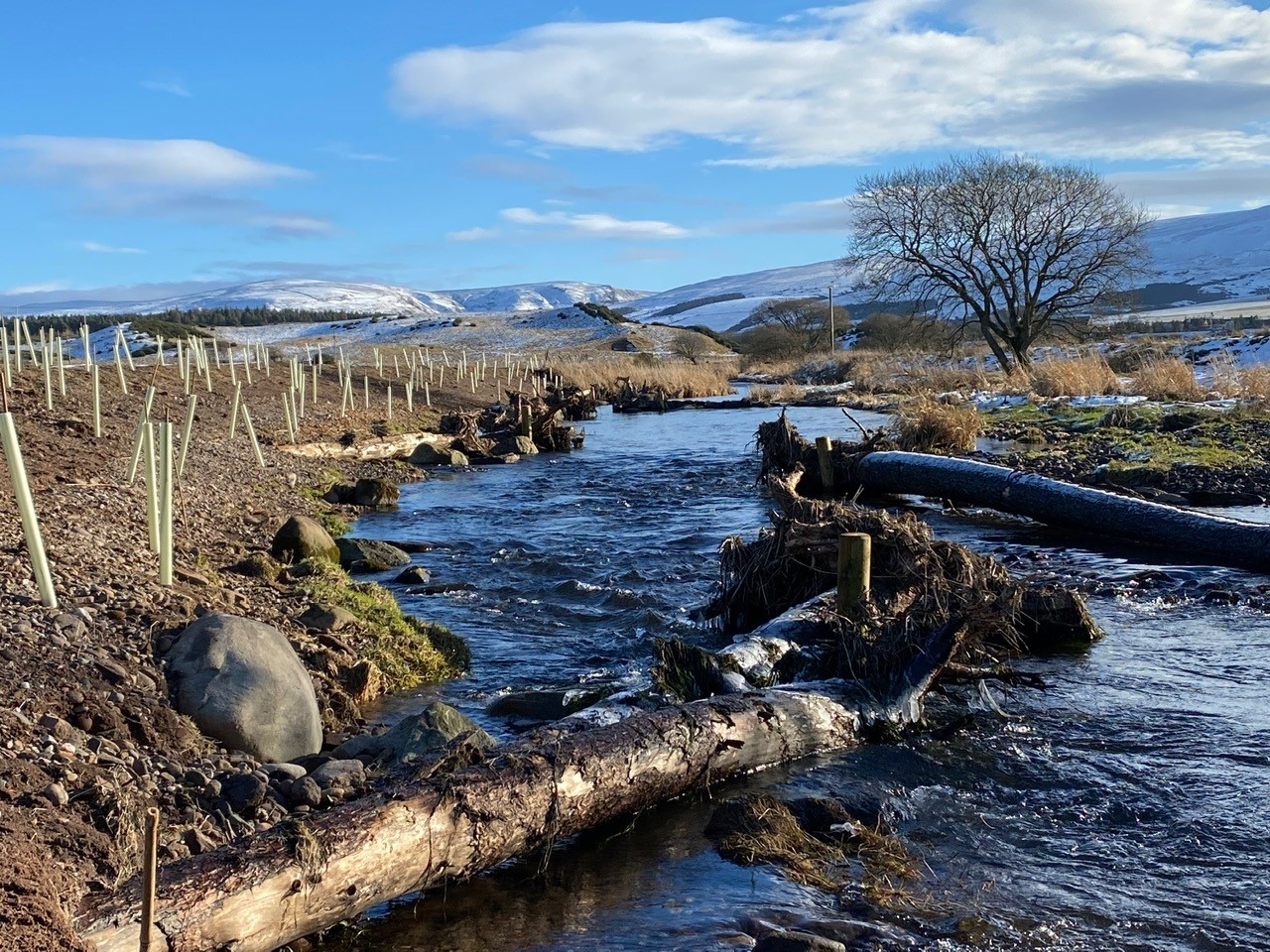
Upscaling efforts on river restoration and wetland creation are underway, with aims to re-wet more areas of the Allan Water’s floodplain from which it’s currently disconnected due to historic embankments. We’re also looking at the upper sections of the catchment too, with plans to increase the amount of tree cover in the Ochil Hills tributaries. And perhaps most excitingly, a large scale peatland restoration project has been identified which will contribute directly to the storage of rainfall. This restoration will attenuate flows to both flatten the floodwater curve in times of heavy rain, as well as maintain water during periods of drought to sustain river levels for longer periods. Simultaneously, it will sequester carbon contributing towards national goals of carbon capture. Not only this – peatlands serve as a giant water filter, taking their importance beyond just a biodiversity level but also to a human level.
These works being undertaken on the Forth catchment tie into the goals shared in the wider European context. Scotland has some of the most unique landscapes in Europe and the potential for restoration is plentiful. One of MERLIN’s key aims is also to encourage further upscaling, which is vitally important to ensure large scale projects don’t fade into obscurity and that the key lessons, experiences and opportunities from each project are passed on and improved upon with each iteration. Relationships built up with landowners must also be maintained to allow for the continued delivery of vital restoration efforts.
As MERLIN progresses there will be potential to branch out from just the Allan Water, as there are many catchments and sub-catchments on the Forth facing similar issues of rising flood peaks and a lack of biodiversity. The works on the Allan, a result of years of effort from the Trust, will serve as its own “case study” – a successful model to apply the efforts to elsewhere with the same levels of success.
At the end of the MERLIN project we hope that the works on the Forth as a whole can serve as a reference study for what can be achieved in a catchment with a multitude of landowners and land-uses, and be applied in future across projects all over Europe.