Forth Invasive Species Project
Overview
The Forth Invasive Species Development Project aimed to update collective knowledge about the spread and the impact of Invasive Non-Native Species around the Forth catchment, and produce a comprehensive plan for their treatment. Thanks to input from communities across the catchment and the efforts of our team, we surveyed an incredible 165km of our rivers, recording and mapping the extent of Invasive Non-Native Species around the Forth.
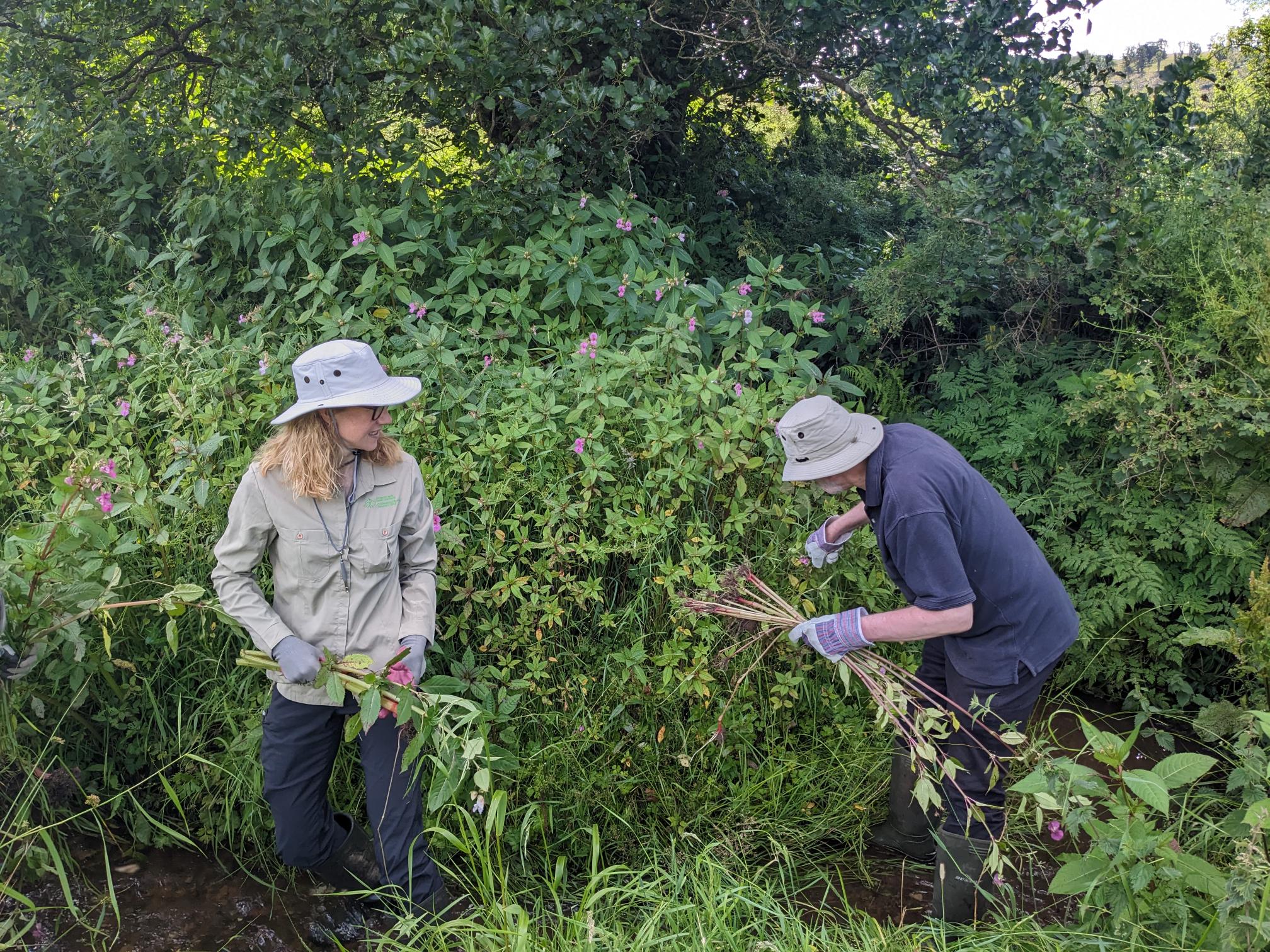
Covering parts of the Leven, Forth, Almond, Esks, the Bannock Burn, Avon, Tyne, Carron and the Teith SAC, we are building a comprehensive and up to date understanding of the state of INNS within the Forth Catchment to help us develop future opportunities for coordinated control efforts and community support. We are grateful to be sharing data with groups such as the East Lothian Countryside volunteers, who have surveyed the Esks and the Tyne and are years into efforts to treat Giant Hogweed on both rivers.
Alongside expanding and sharing knowledge of the location and extent of the Forth’s INNS, the Trust has contacted landowners and communities across the catchment to understand how we can support treatment efforts in the future.
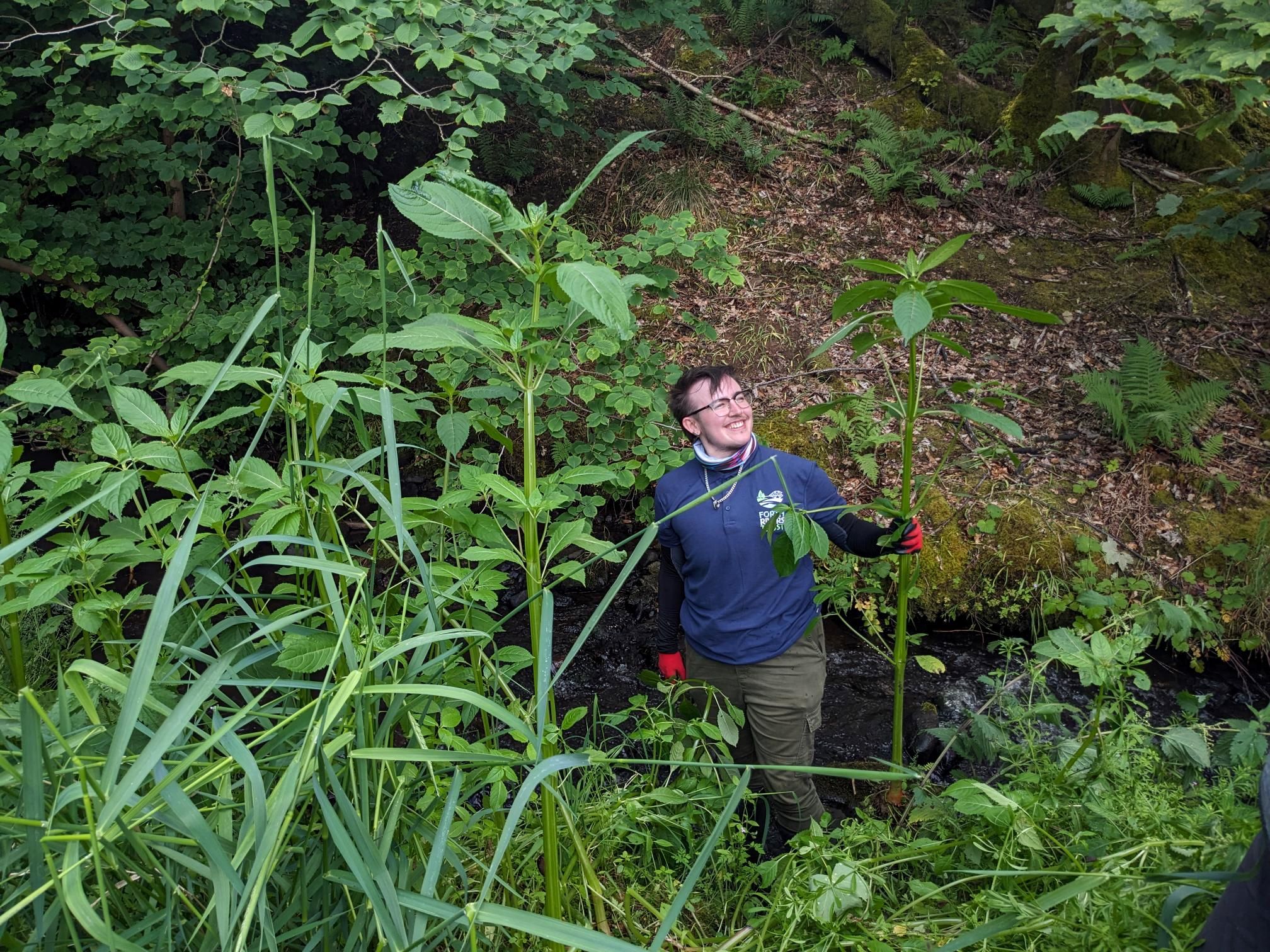
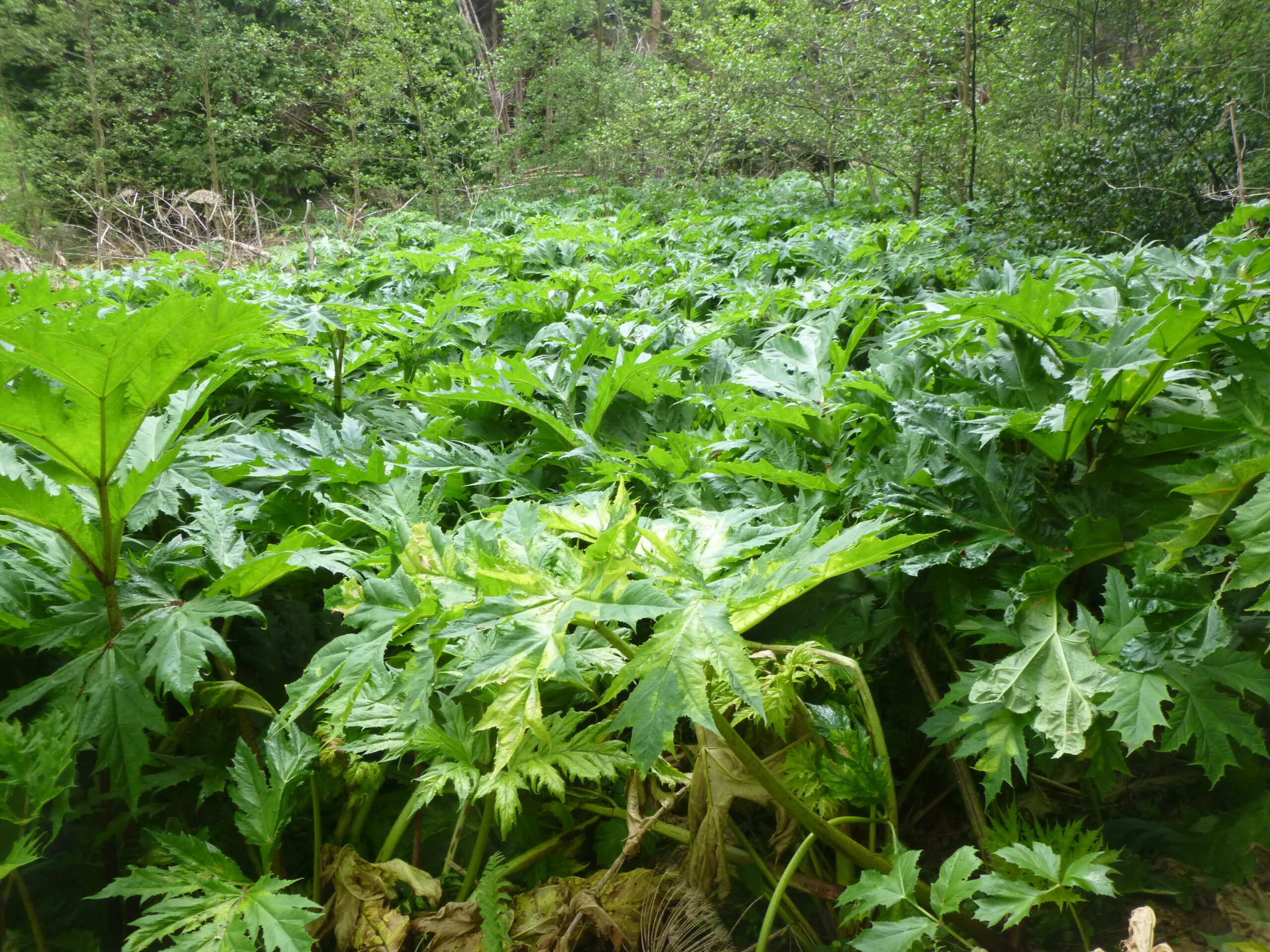
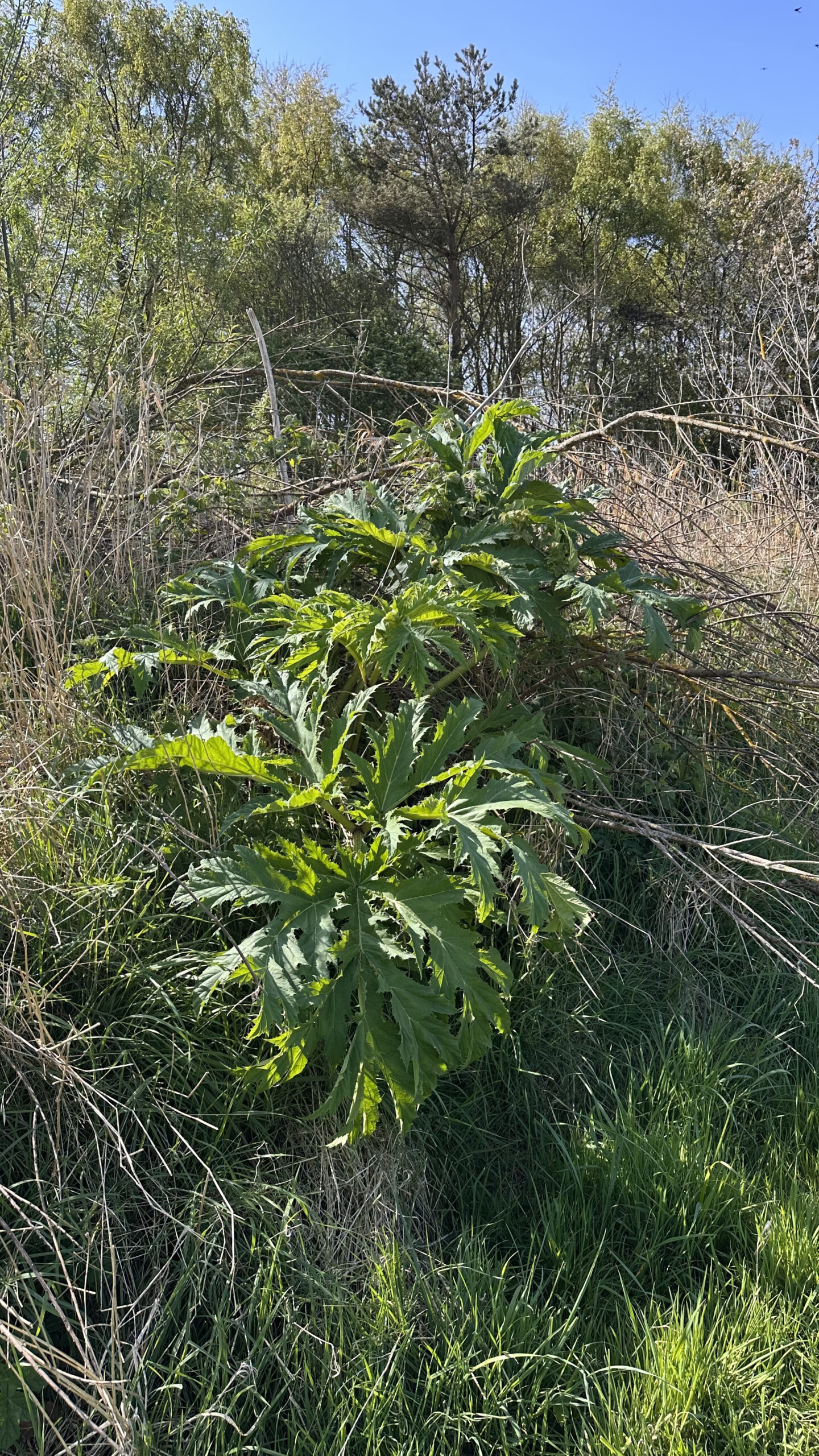
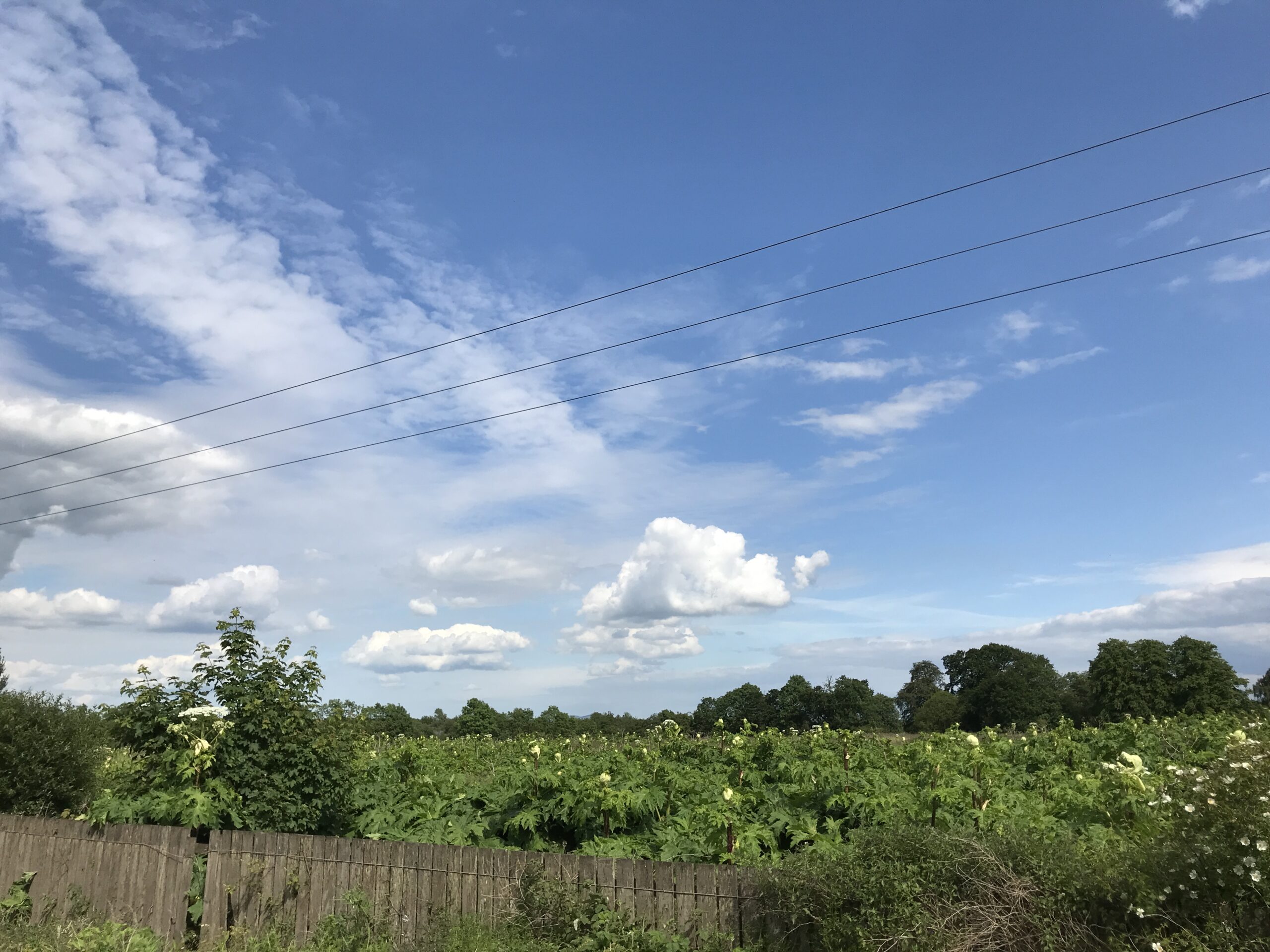
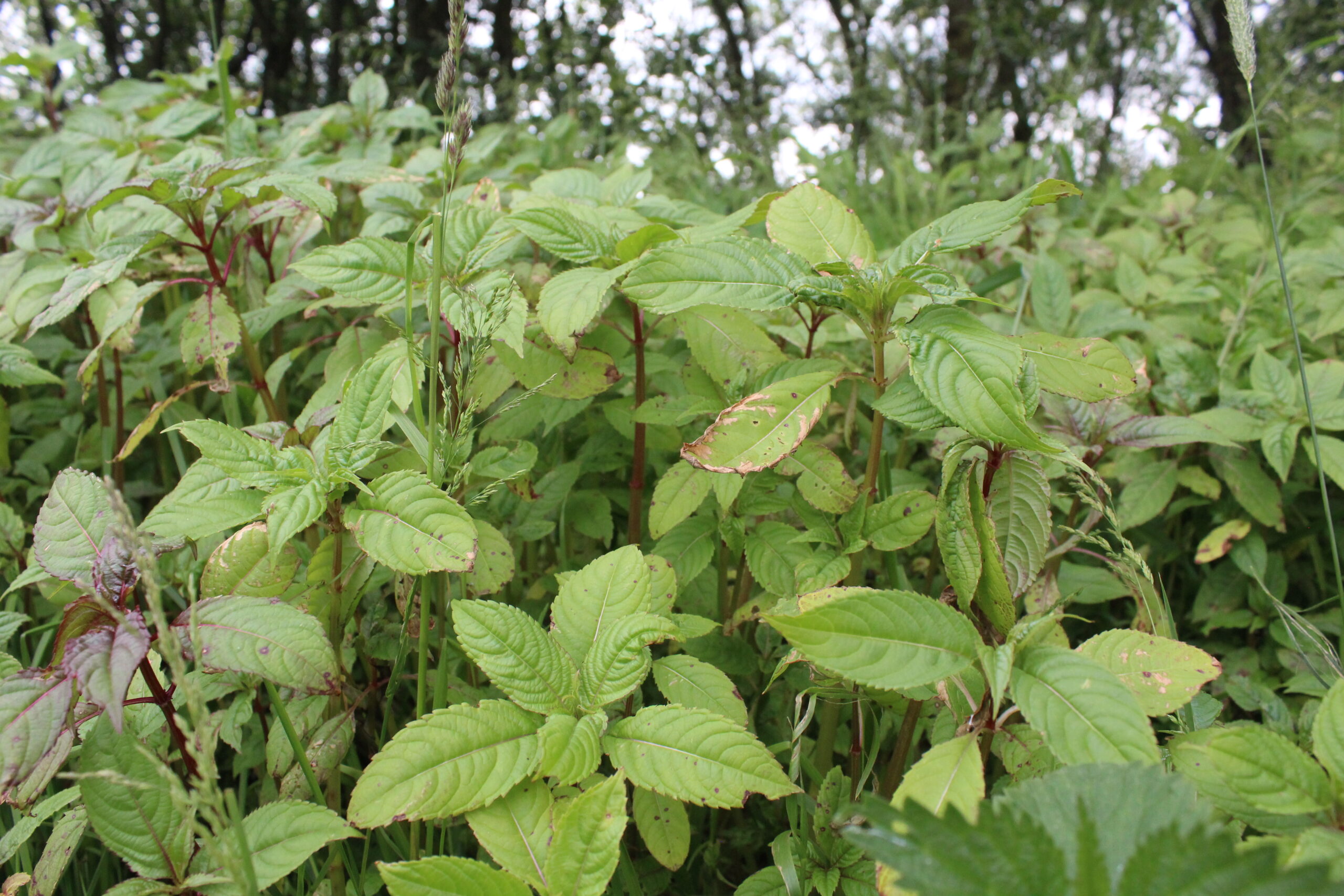
Himalayan Balsam, Japanese Knotweed and Giant Hogweed continue to be the prominent species alongside Skunk Cabbage and Signal Crayfish: and our results so far demonstrate that the extent of these across the Forth is vast but not beyond hope if we can rally efforts to tackle them.
We have explored alternative control methods including livestock grazing, geotextile covering, and more, which will all support a long-term control strategy. Alongside this, we have developed a Catchment Management Plan, Monitoring & Evaluation Plan, and have assessed funding opportunities for the future. Thanks to this work, we can now look at the next steps for implementation.
Please continue to report any INNS you see when you are out and about in the Forth to help support our work.
Objectives
- Expand Trust knowledge on invasives by updating historical records and connecting a picture of INNS around the catchment
- Explore the potential for alternative treatment methods for INNS
- Better understand the extent and spread of INNS better to help form a plan for their treatment
- Create Monitoring & Evaluation Plan and a Catchment Management plan to guide future control efforts.
Funder
This project was funded thanks to the Scottish Government’s Nature Restoration Fund, managed by NatureScot, and match funded with thanks to Loch Lomond & The Trossachs National Park.