
Establishing a Green Network
Overview
A ‘Green Network’ is a paths network which brings people into contact with wildlife, improves biodiversity and helps reduce habitat fragmentation. In order to help establish such a network along the Leven, our starting point was to find out what wildlife existed in and alongside river. In 2019, we completed a baseline ecological assessment of the lower Leven valley. We were very pleasantly surprised to find a relatively undisturbed hidden gem of a wildlife haven. Due to the topography of the valley, with high sides and steep gradient, housing developments have been kept well away from the river’s edge, leaving a wide margin of undisturbed riparian habitat. Local people do use the area to get from A to B, but the relative lack of disturbance has resulted in wildlife just quietly getting on with their lives. There are woodlands, wetlands, otters, salmon, kingfishers, dippers, roe deer, badgers, sea trout, eels, reed buntings, lamprey, common toads and frogs and pipistrelle and Daubenton’s bats living here. The invertebrate life is also really abundant. This offers an ideal prospect to improve habitat with management interventions and to generate interest and enthusiasm in local communities, with many opportunities to volunteer or take part in project events.
Currently, the paths people use are in very poor shape. Often, they are no more than desire lines through vegetation and waterlogged areas of swamp, an old railway line left to rack and ruin, disused industrial sites and in one case, the top of a sewage pipe with space for only one abreast. The Leven Connectivity project wants to improve the standard of pathways for walking and cycling, link them together effectively and establish green wildlife space to allow peoples appreciation of species and habitats, and the benefits they bring, to grow and develop.
Disturbance is coming to the area in the form of new and improved paths and a reinstated rail link along an existing disused railway line, but our aim is to mitigate these improvements to protect, connect and improve habitats so that people and wildlife both benefit.
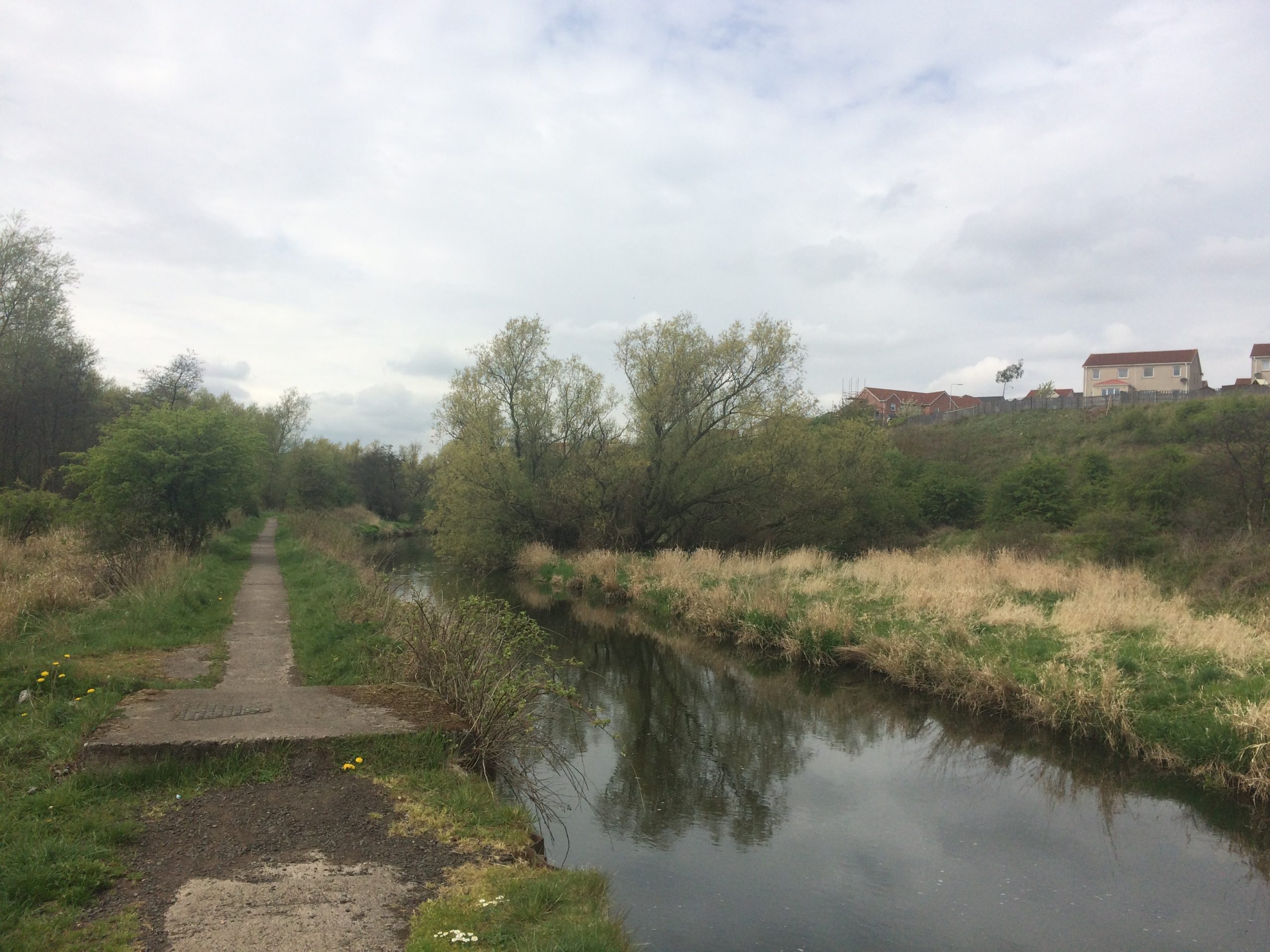
Footpath along the top of a sewage pipe

Excellent riparian woodland
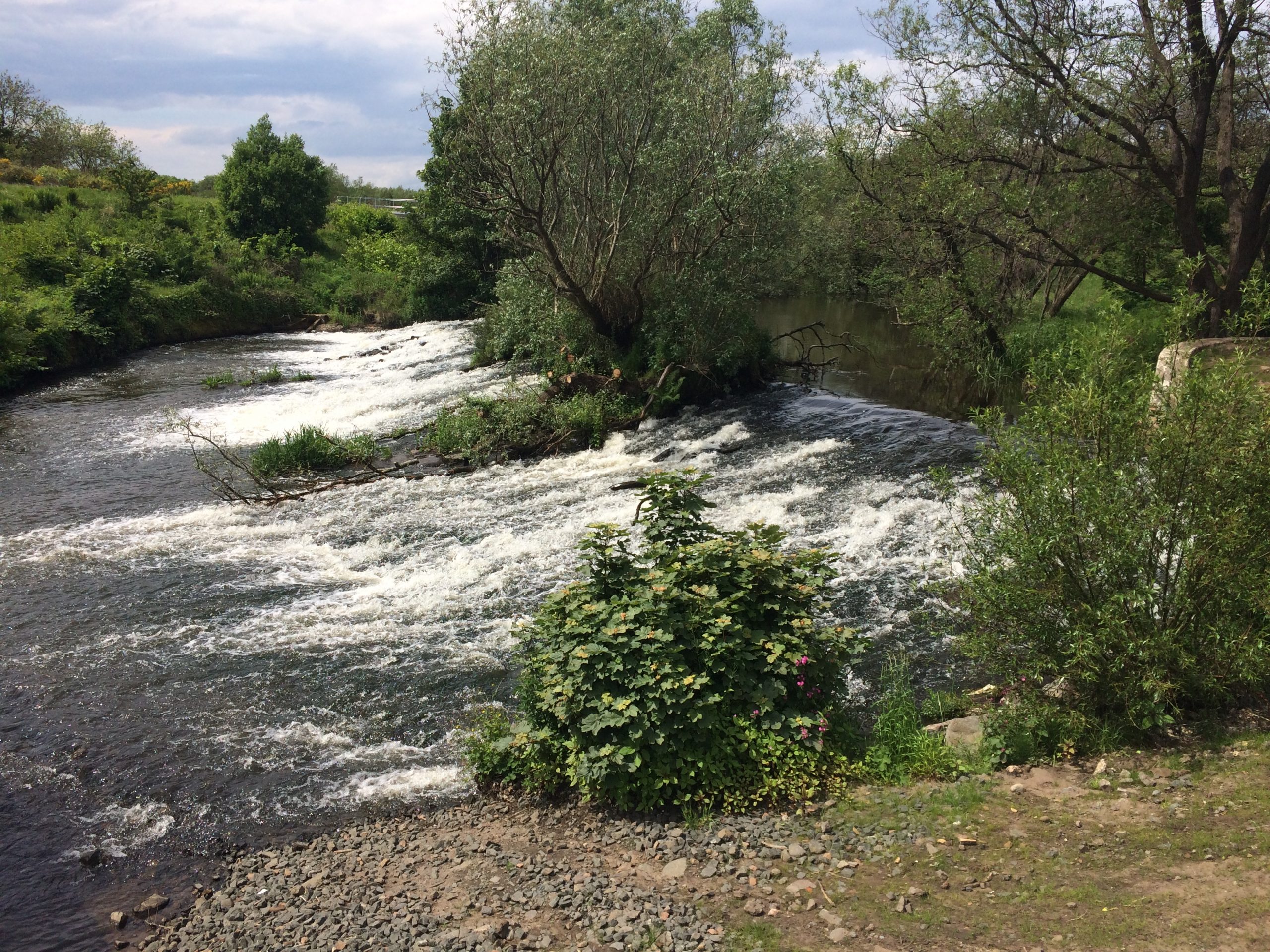
Burn Mill weir
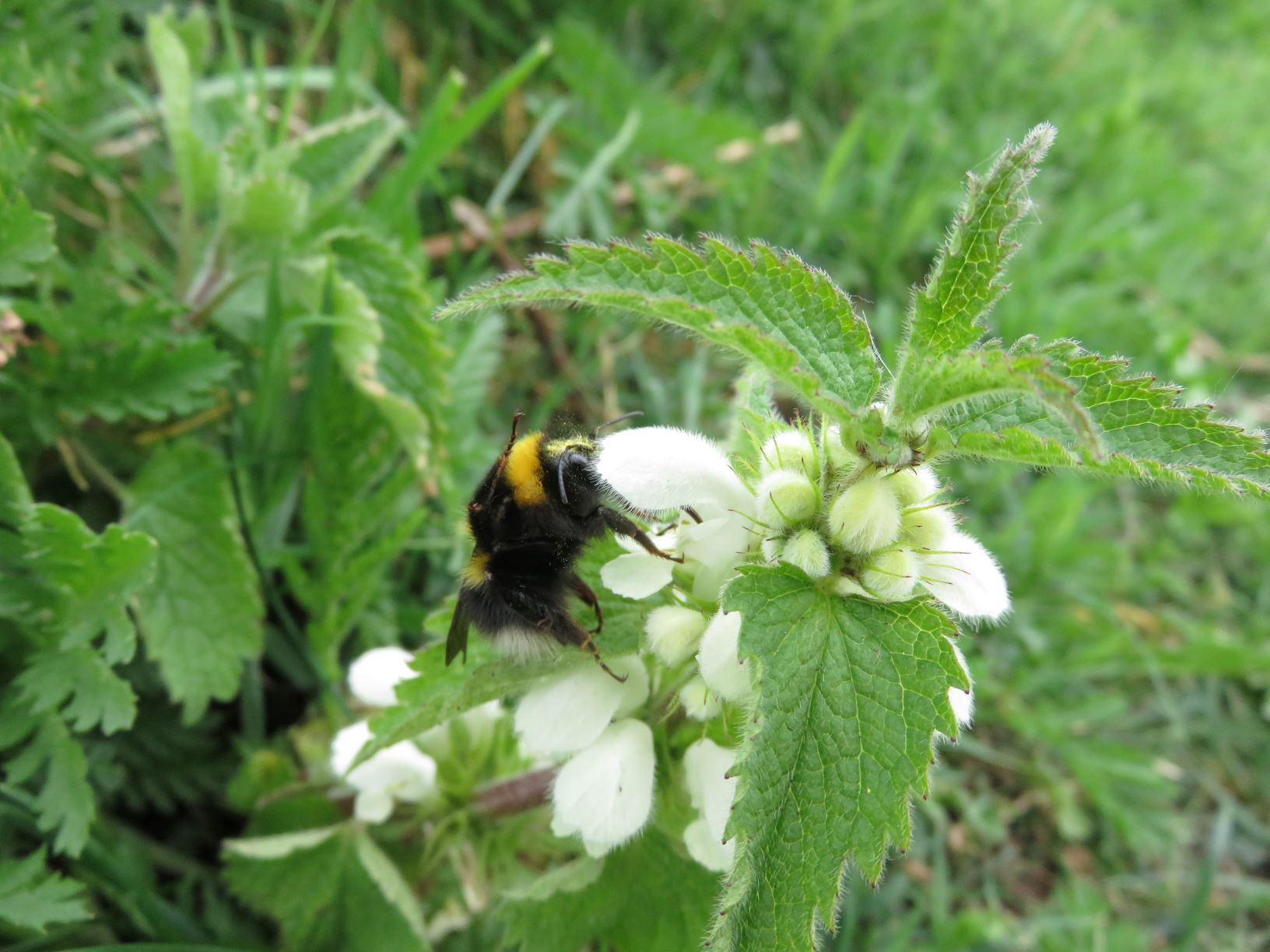
A bumblebee on a white dead nettle
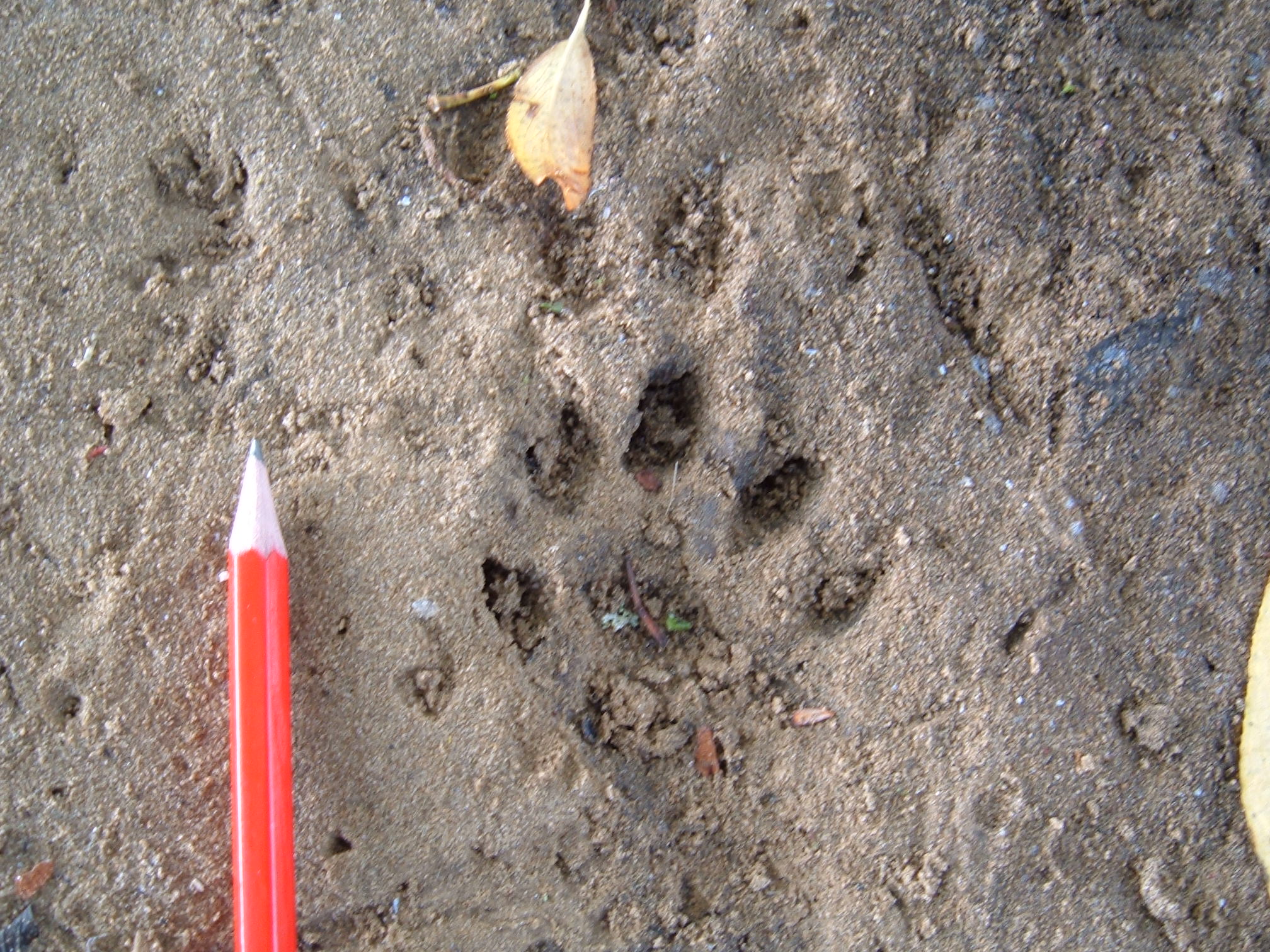
13b otter print

The old disused railway line

River Leven from Cameron Bridge
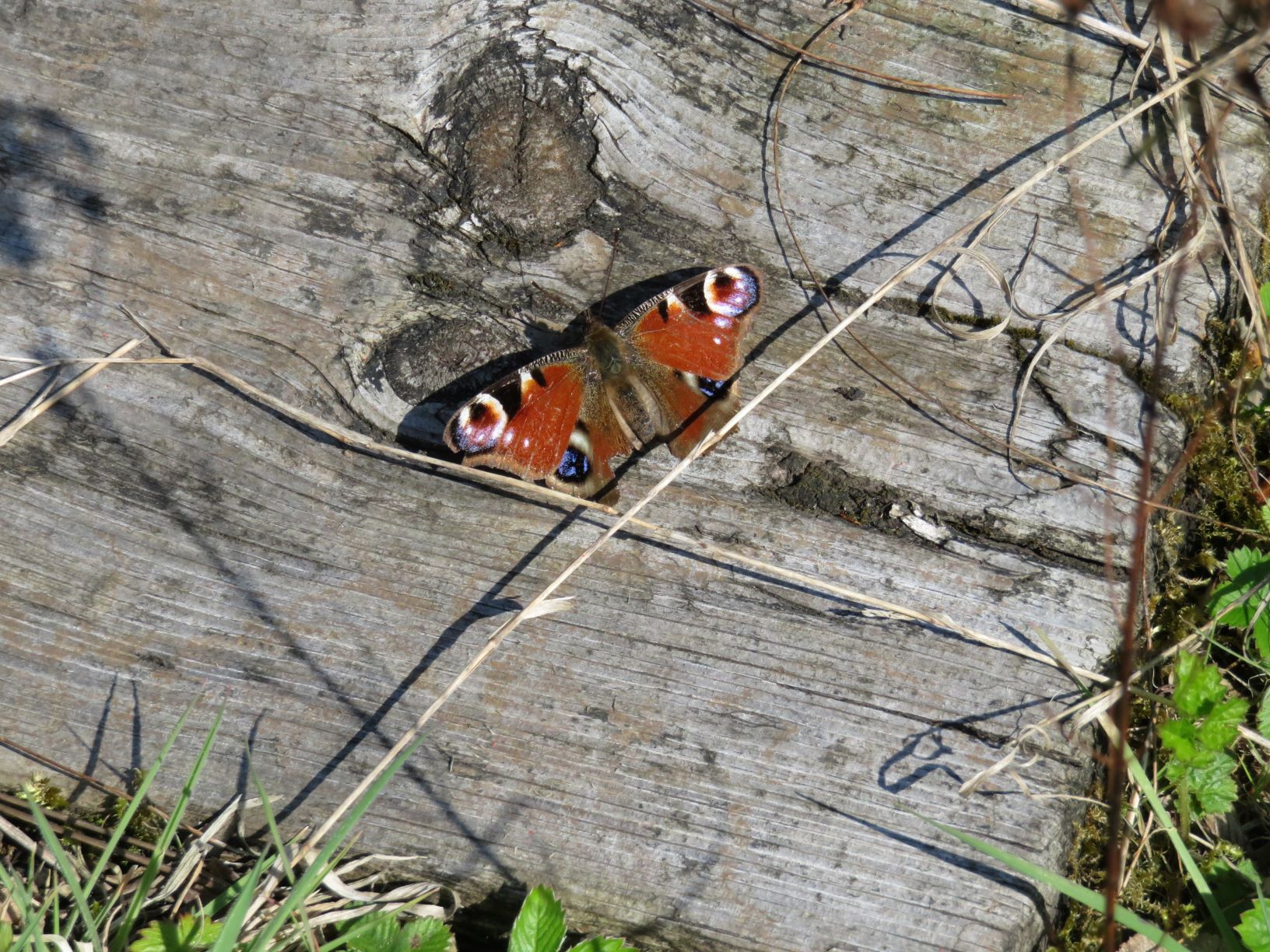
Peacock butterfly basking on an old railway sleeper

Large woody debris in the river, creating habitat for fish and invertebrates
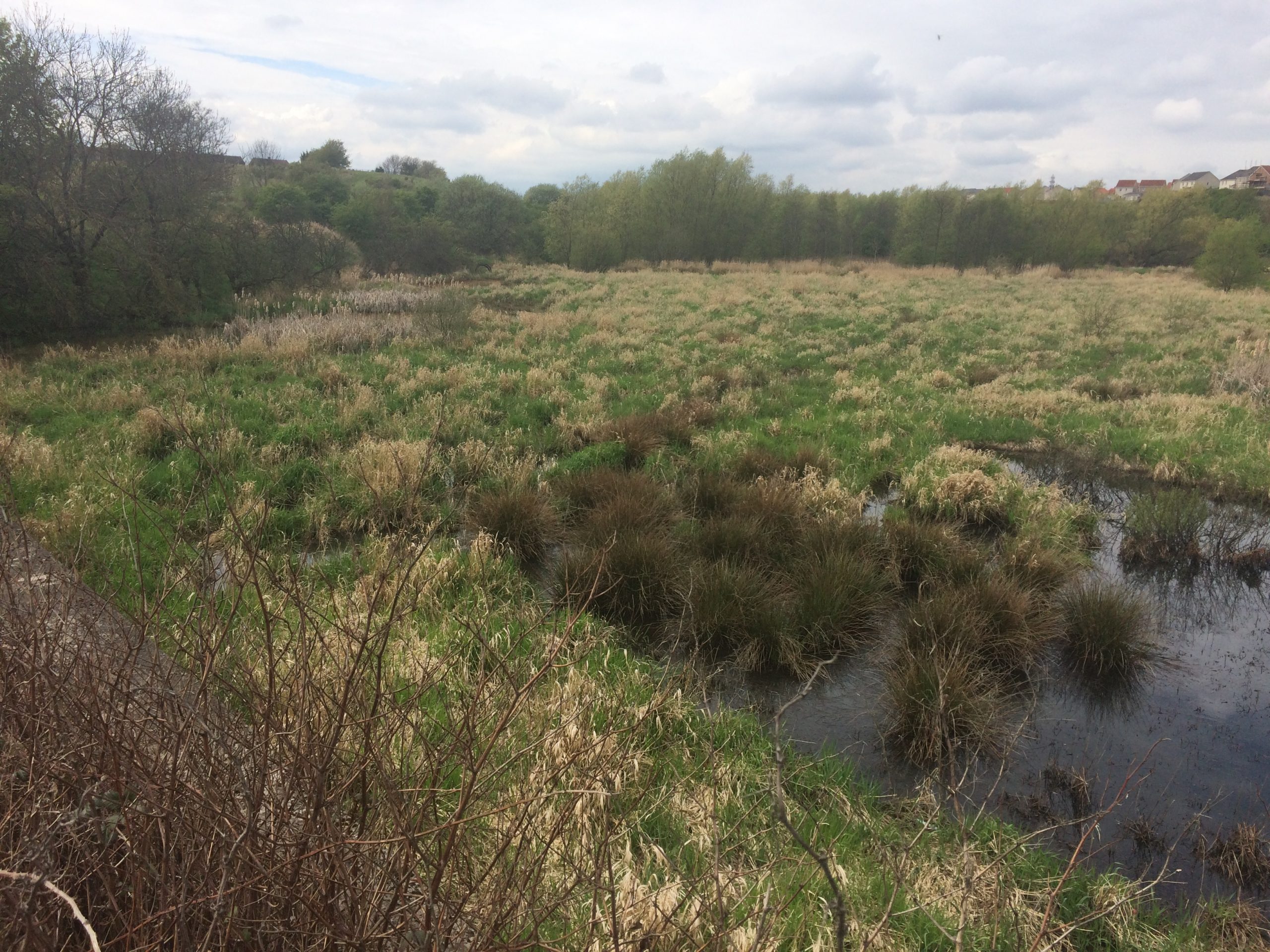
Kirkland wetland
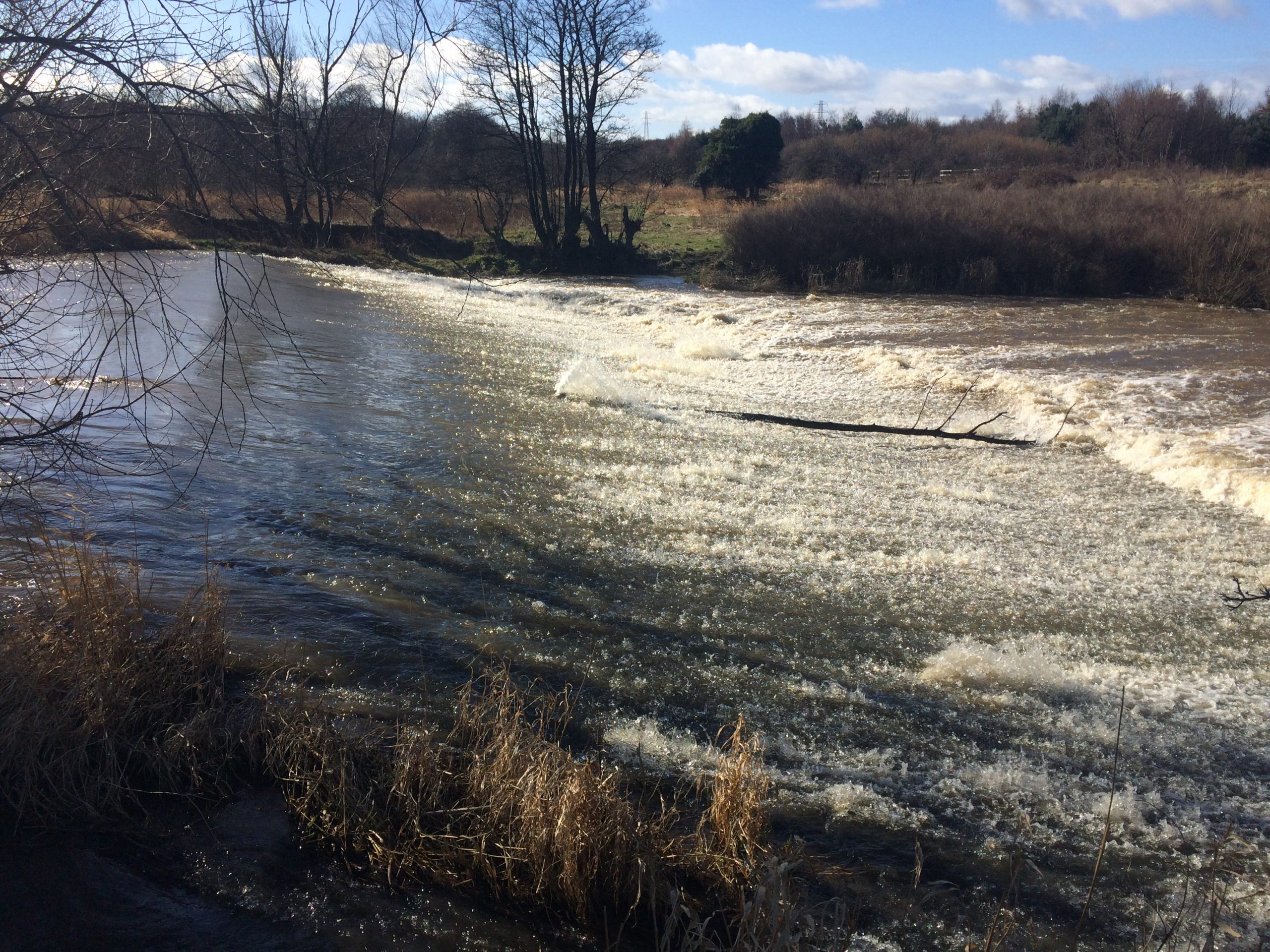
Kirkland weir

Juvenile trout and salmon

Housing developments well back from the river

Good lamprey silts in the river
