Knoxfauld Peatland Restoration Project
Overview
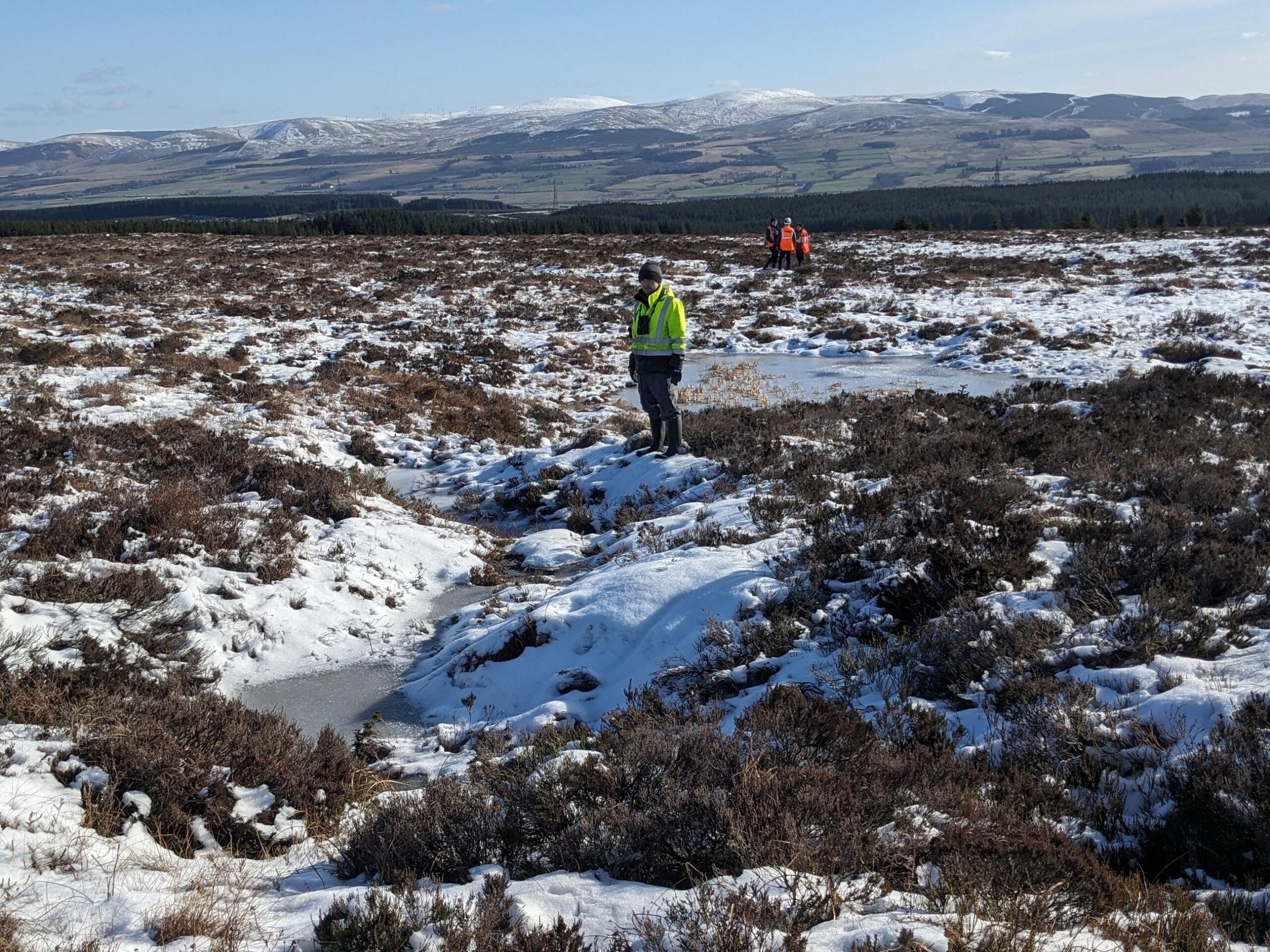
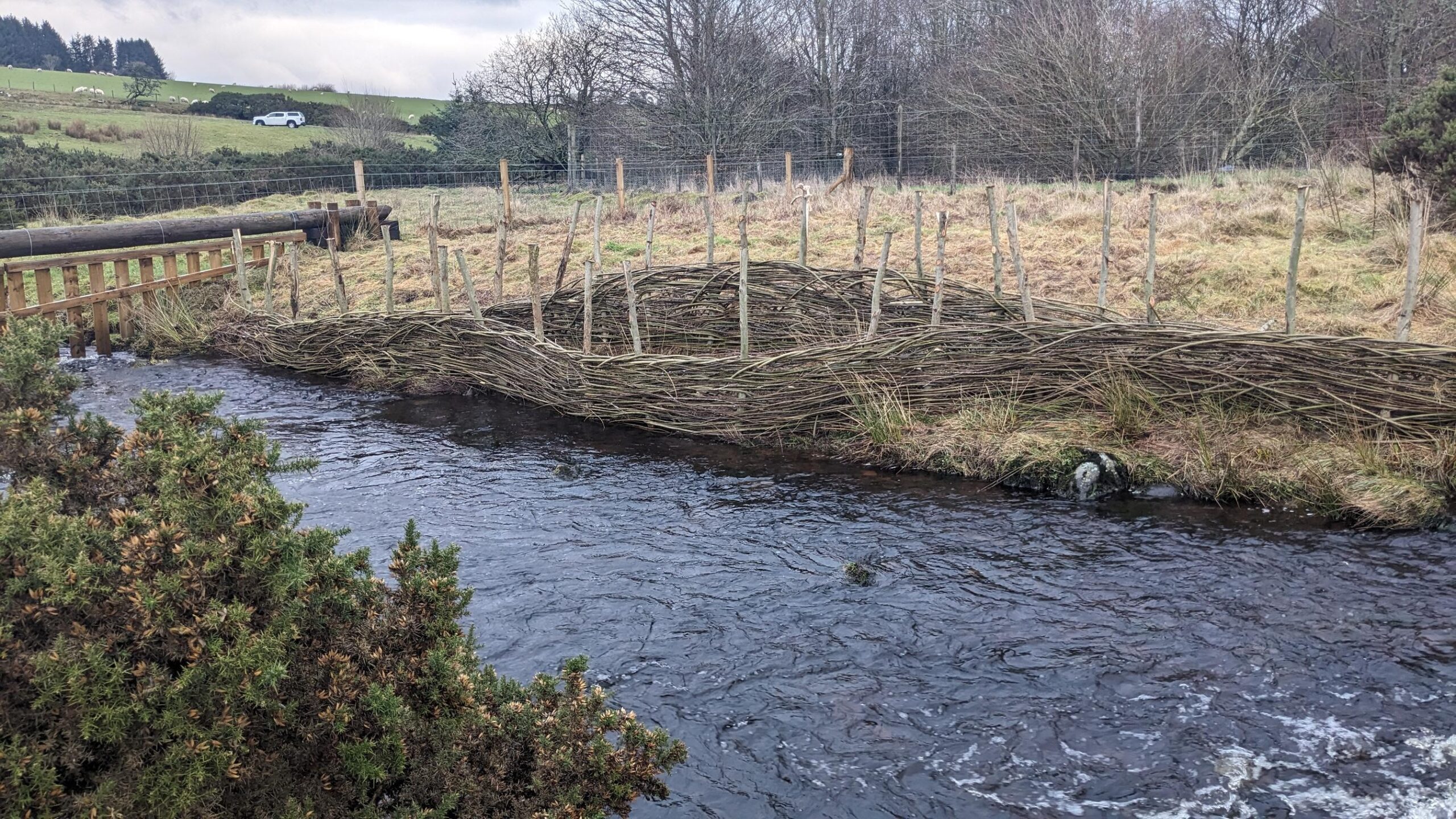
Knoxfauld Farm, Forth Rivers Trust, Network Rail and EU Project MERLIN restored 273 hectares of peatland and created 12 dragonfly pools. In another part of the farm 500 native trees were planted, and willow spiling implemented to reduce erosion. The project enhances biodiversity, stores carbon and water, strengthens climate resilience and demonstrates innovative catchment-scale funding for farming with nature.
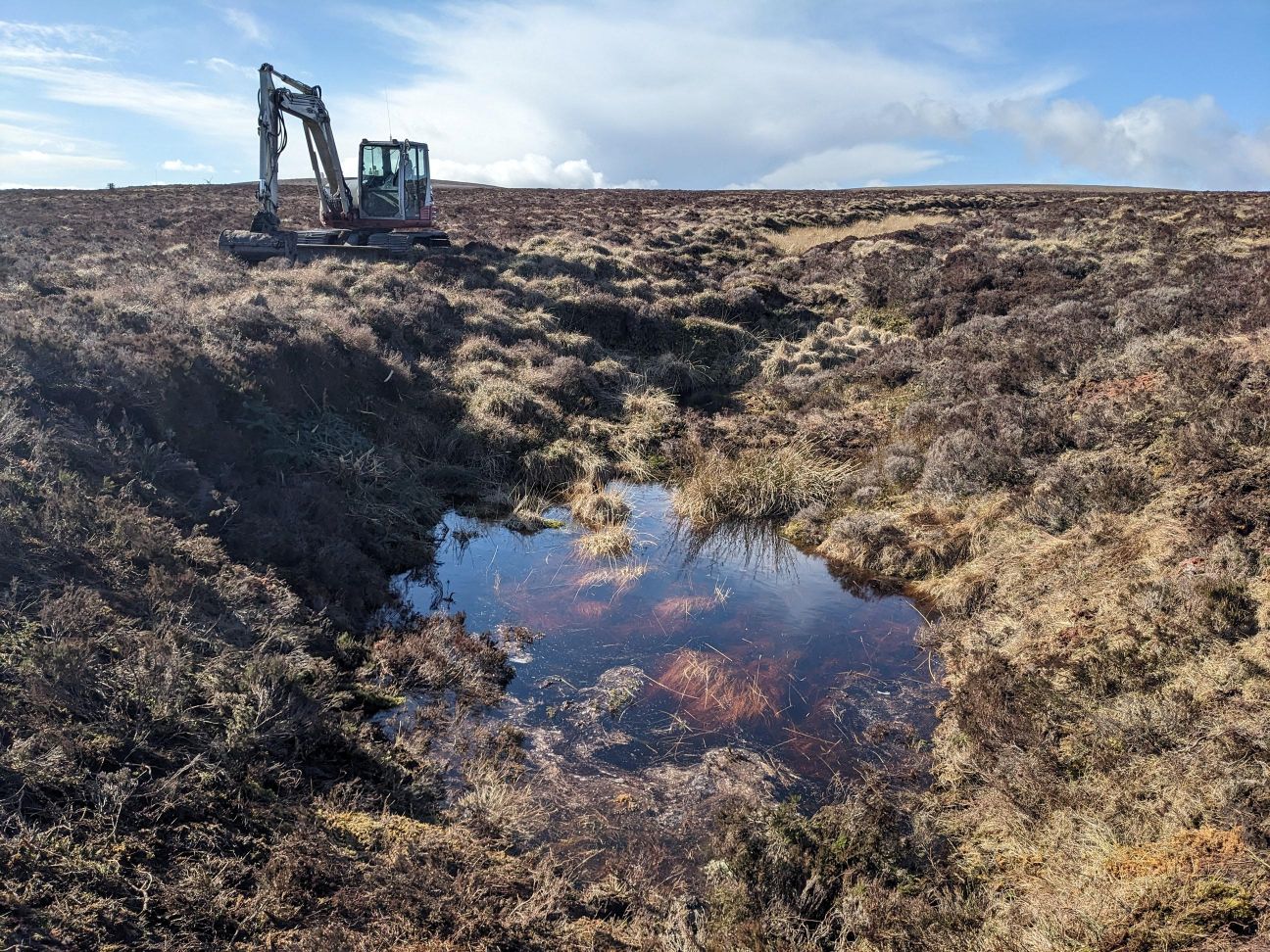
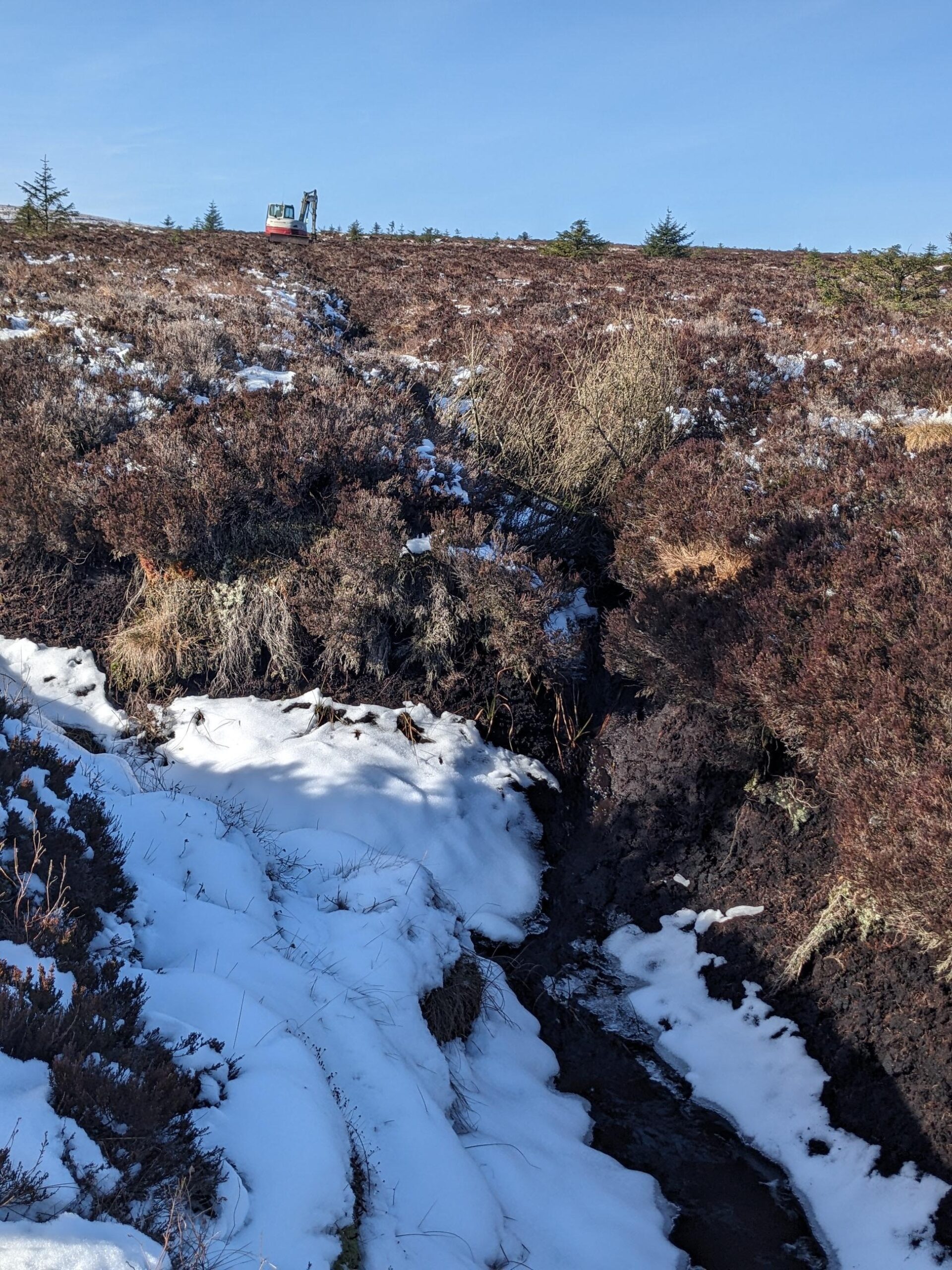
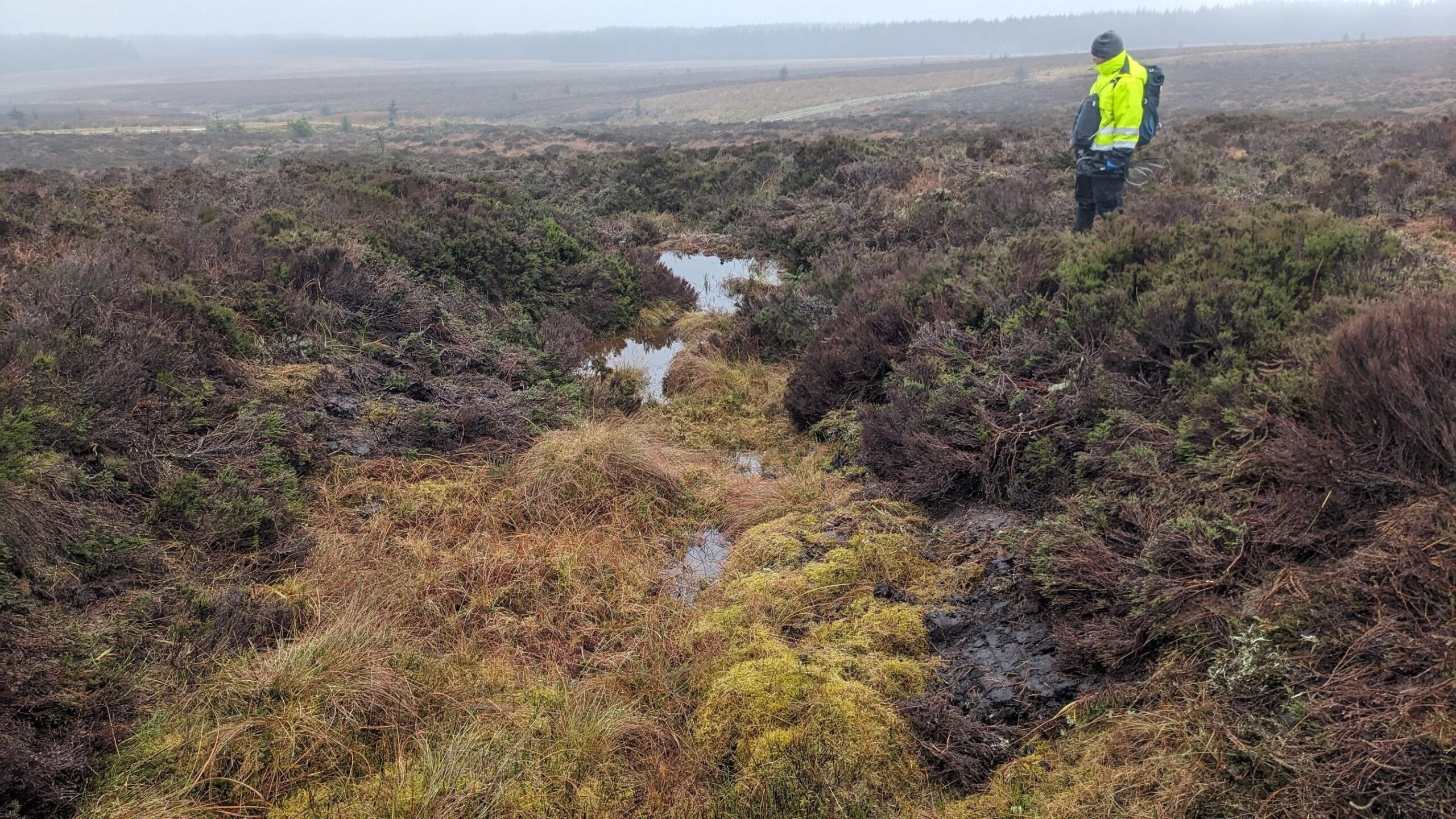
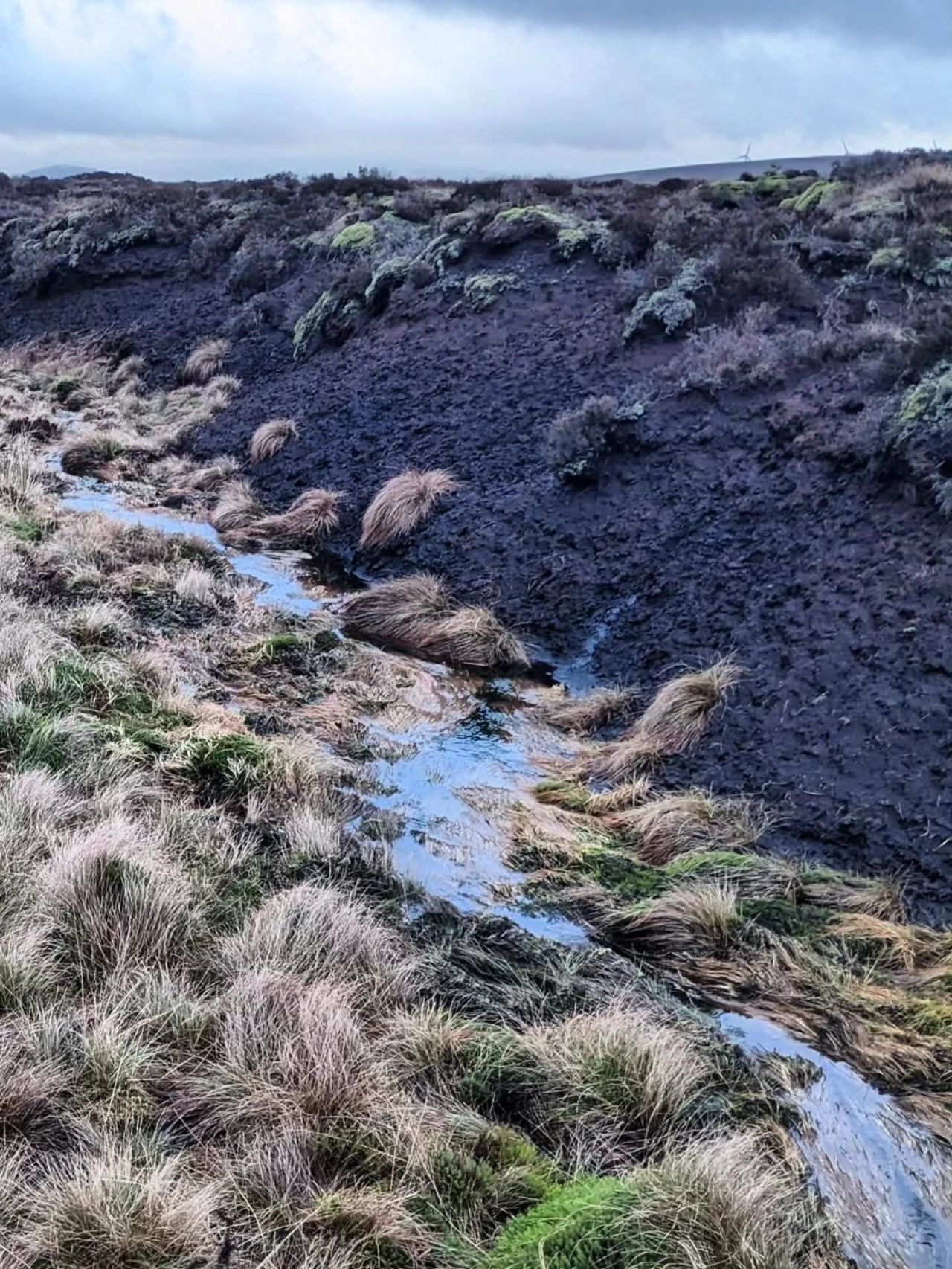
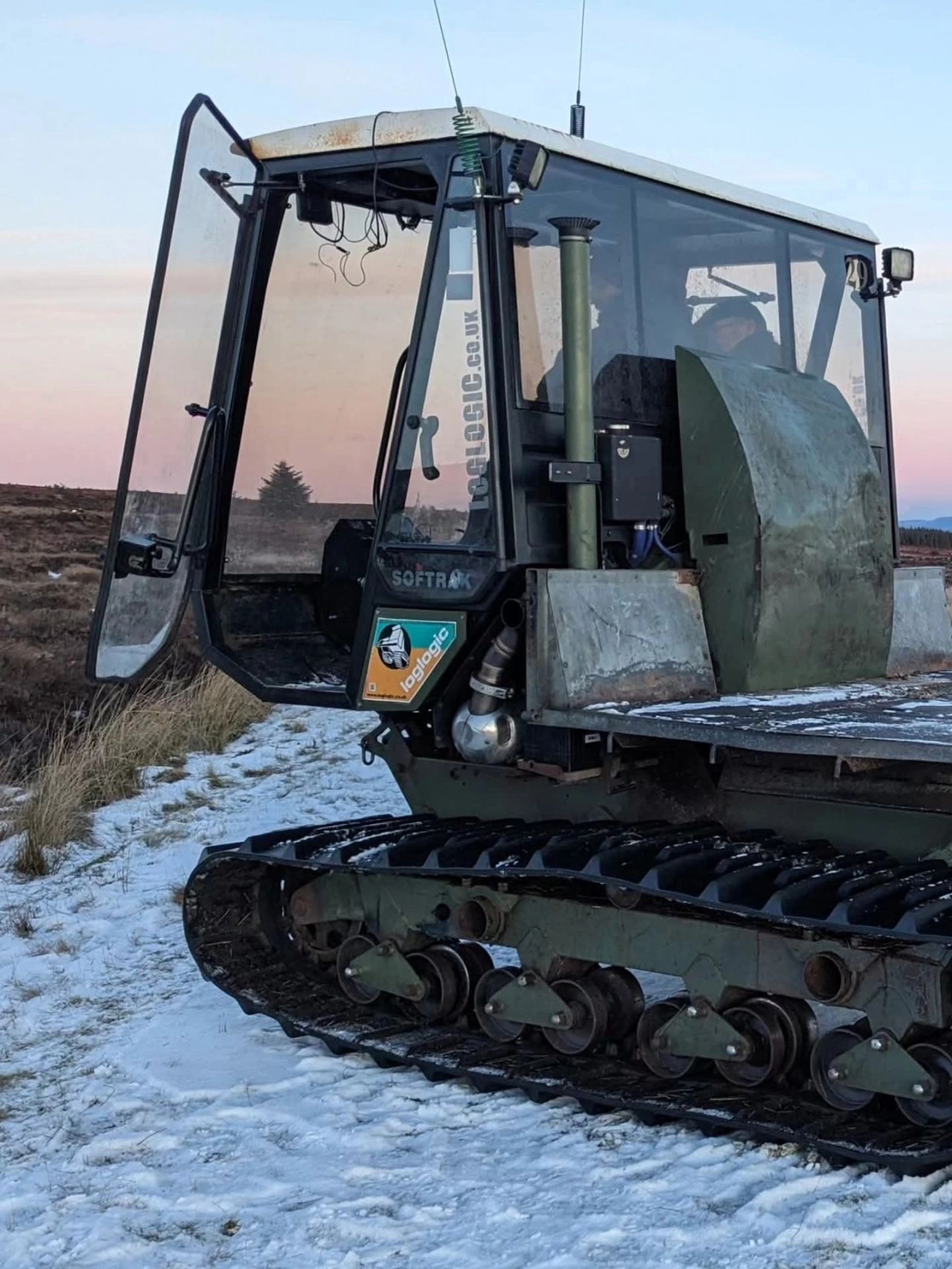
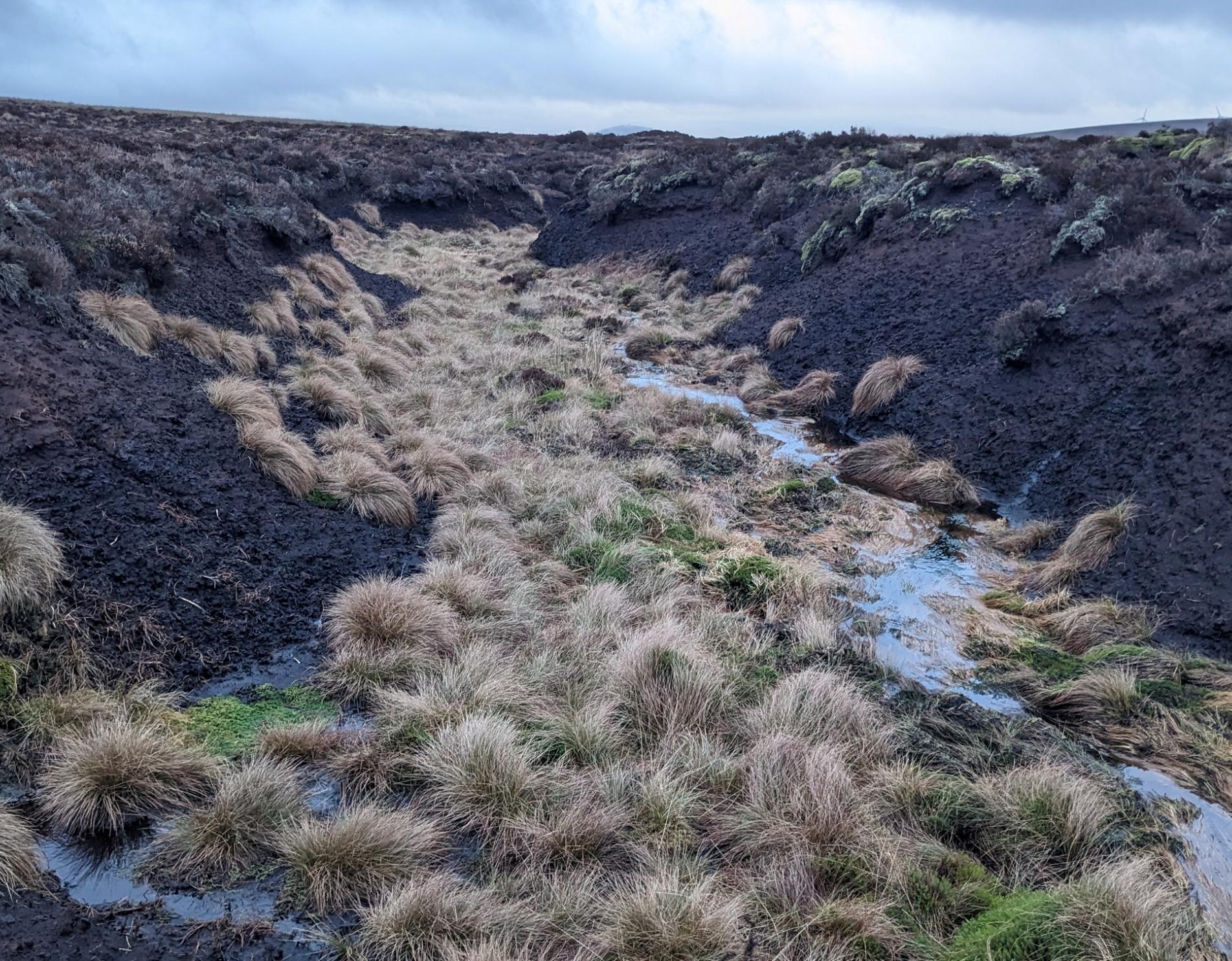
Knoxfauld Farm is a family-run cattle and sheep farm near Braco, set within a landscape of mature hedgerows, streams and extensive peatland habitat. Over half of the farm lies on peatland forming part of a wider blanket bog system between the Knaik Valley and the Braes of Doune area. Historically, drainage grips and gullies installed in the 1950s to improve agricultural productivity and invasive non-native Sitka spruce scrub significantly degraded the peatland. This dried the bog, accelerated peat erosion and carbon loss, reduced biodiversity, and increased rapid runoff into the Allan Water catchment, contributing to flooding and poorer water quality downstream.
The farm recognised the peatland provided limited agricultural value, with grazing restricted to short winter periods. Following discussions with Forth Rivers Trust about wider ecological and climate benefits of restoration, the farm embraced the opportunity to restore the landscape and improve its long-term resilience. The project aimed to re-wet 273 hectares of peatland, reduce erosion, enhance biodiversity, increase water retention, improve water quality, and demonstrate how nature restoration can support climate adaptation at catchment scale. Further objectives included creating dragonfly pools, establishing river buffer zones, increasing riparian woodland planting and stabilising riverbanks using traditional willow spiling techniques.
The project was delivered through an innovative partnership involving EU Project MERLIN, funded through Horizon 2020 via NatureScot, Network Rail and Forth Rivers Trust. MERLIN sought to demonstrate large-scale restoration through blended finance, while Network Rail supported the project to help meet sustainability goals and improve climate resilience of rail infrastructure.
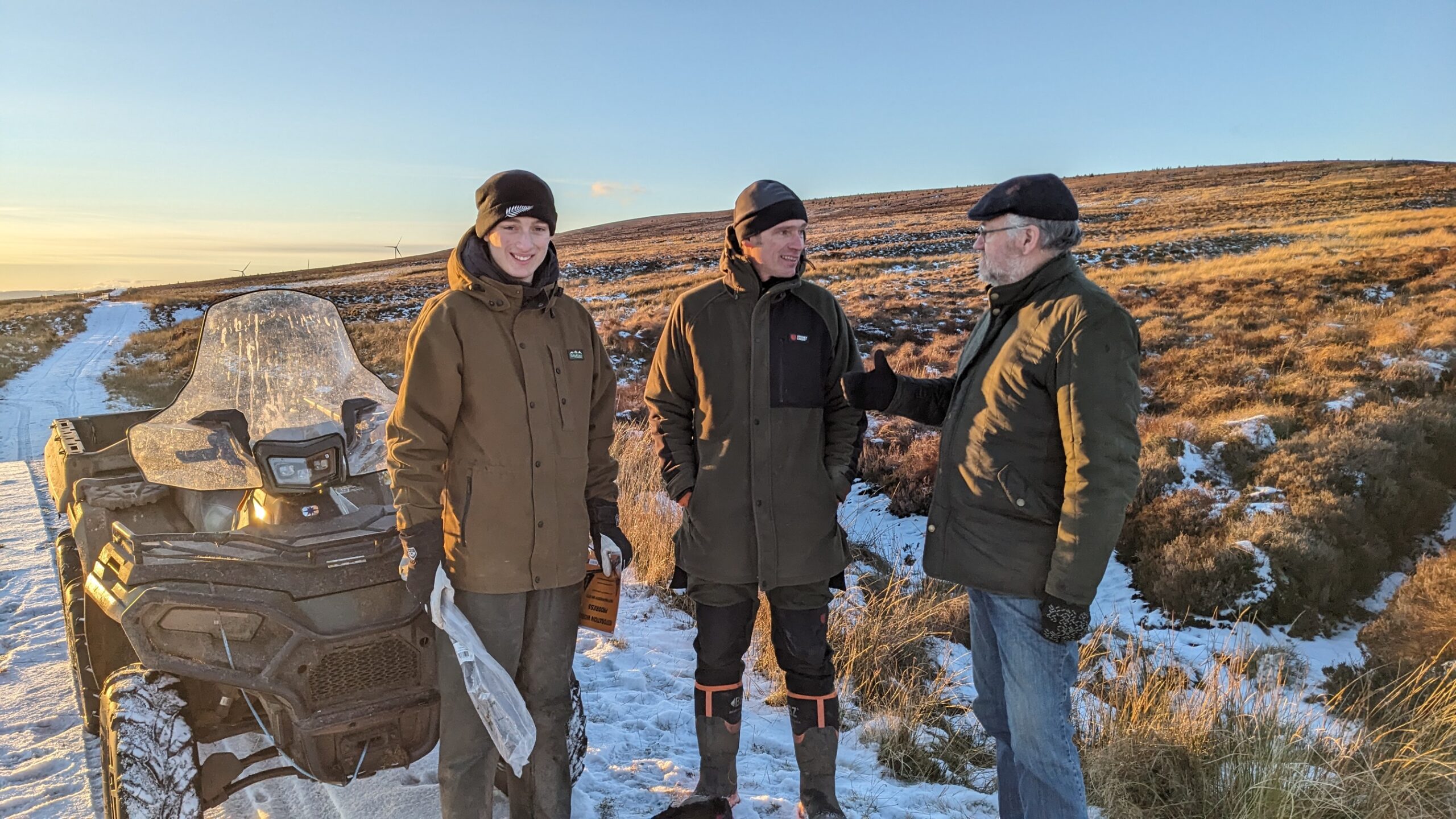
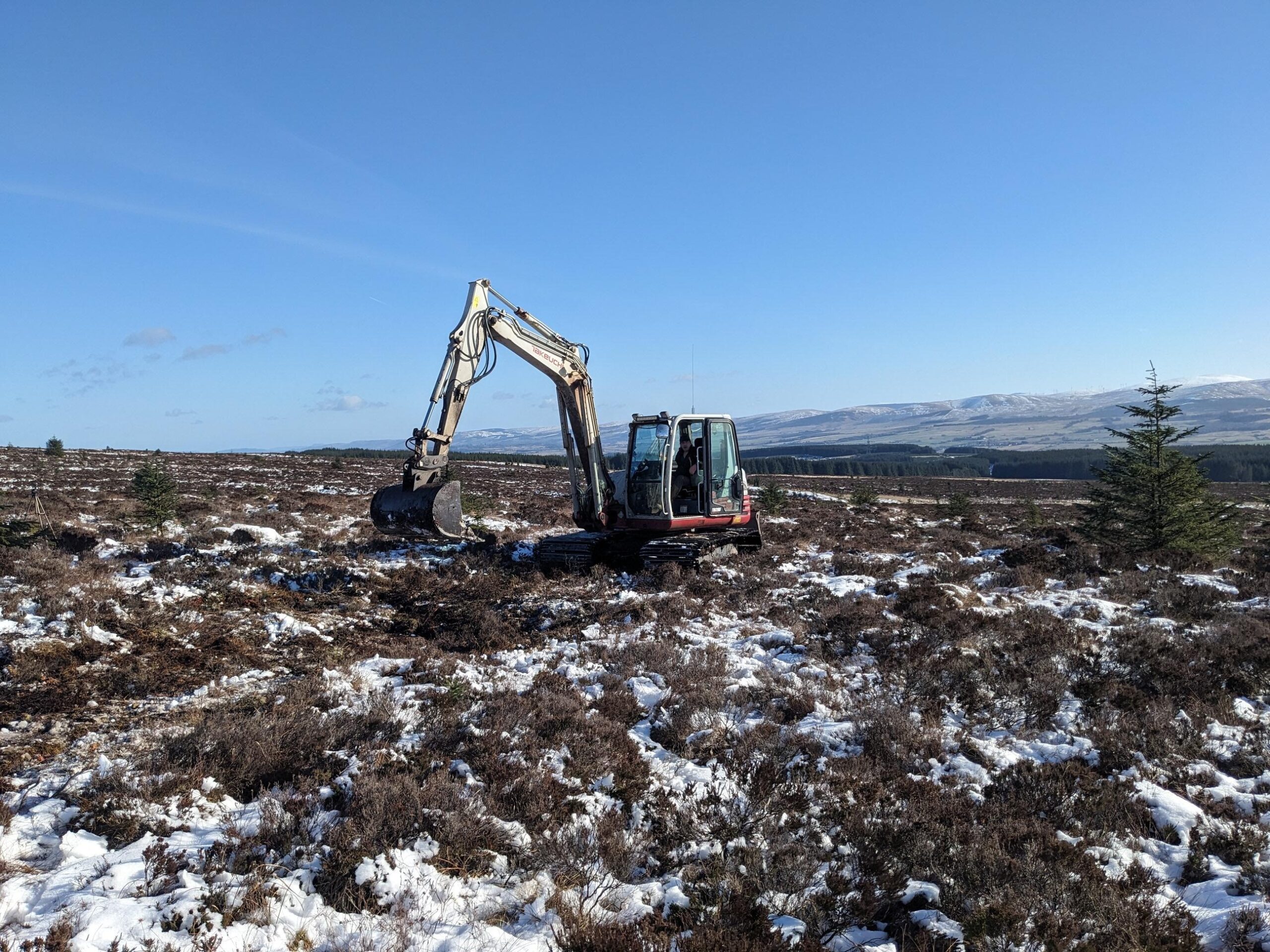
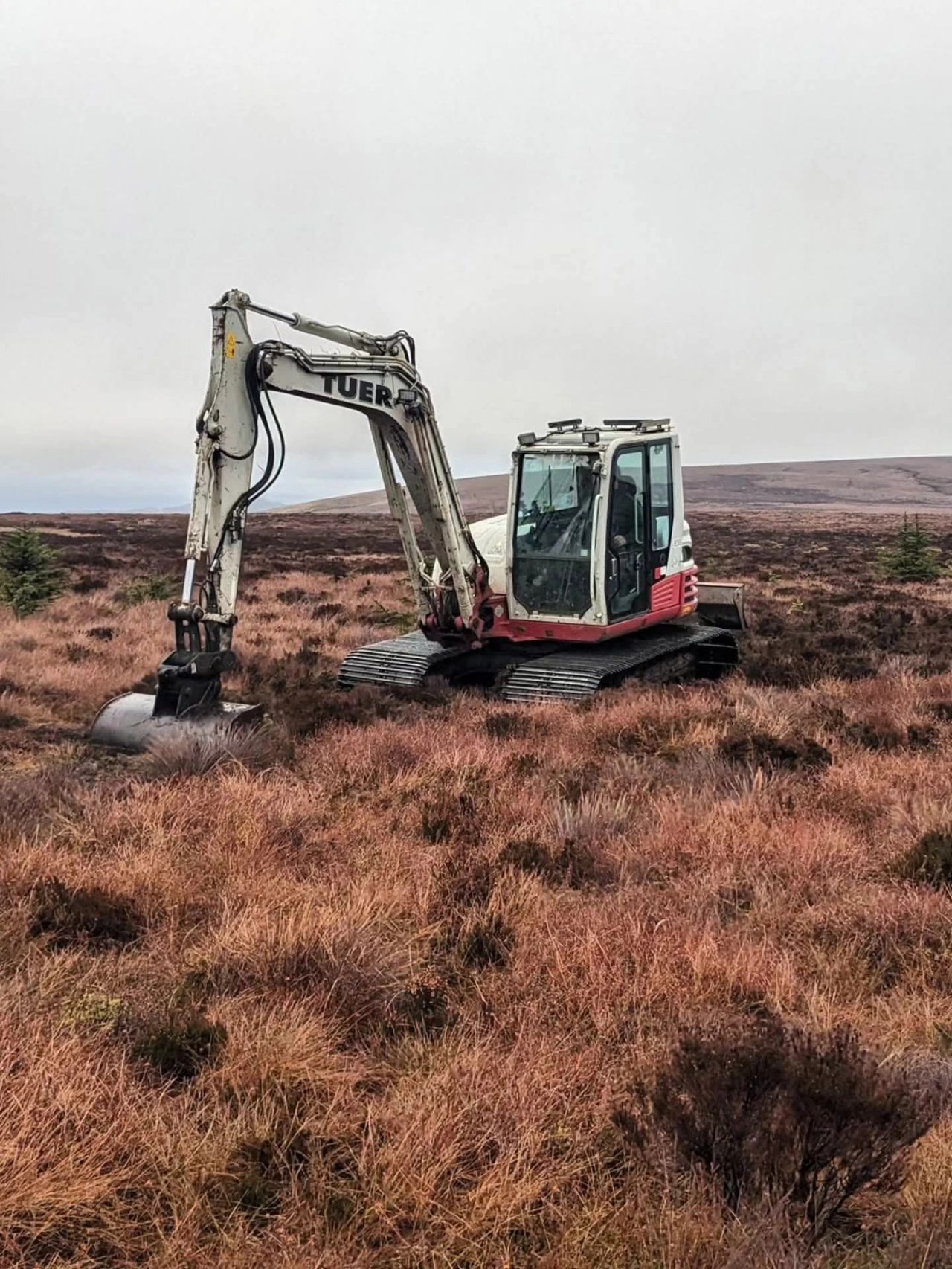
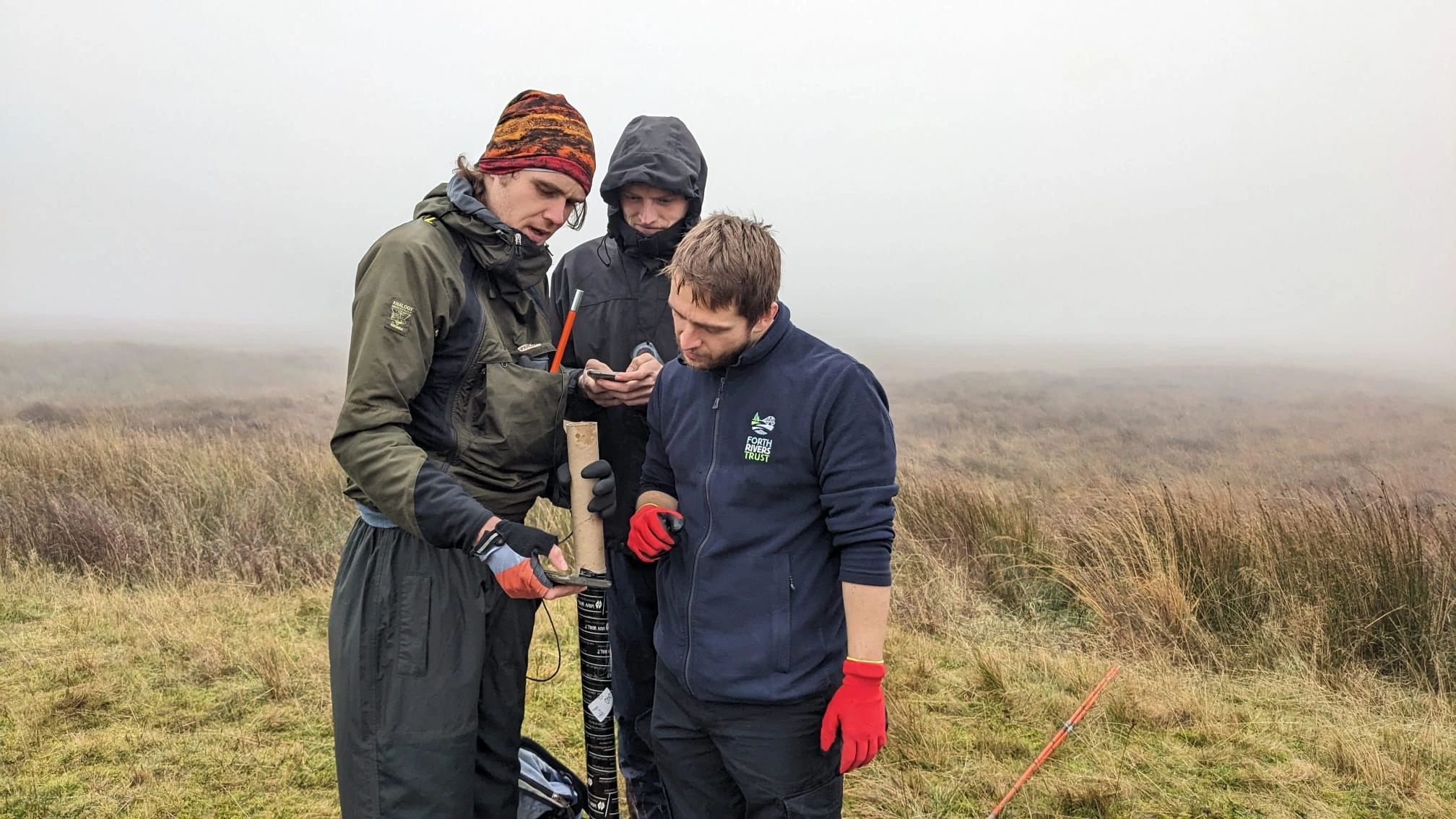
Work was developed and delivered between April 2025 and March 2026. Feasibility studies, management planning and permissions were funded through MERLIN, while delivery costs were jointly funded by Network Rail and MERLIN. The farmer played a central role throughout, including procurement and project delivery alongside appointed contractors Barker and Bland.
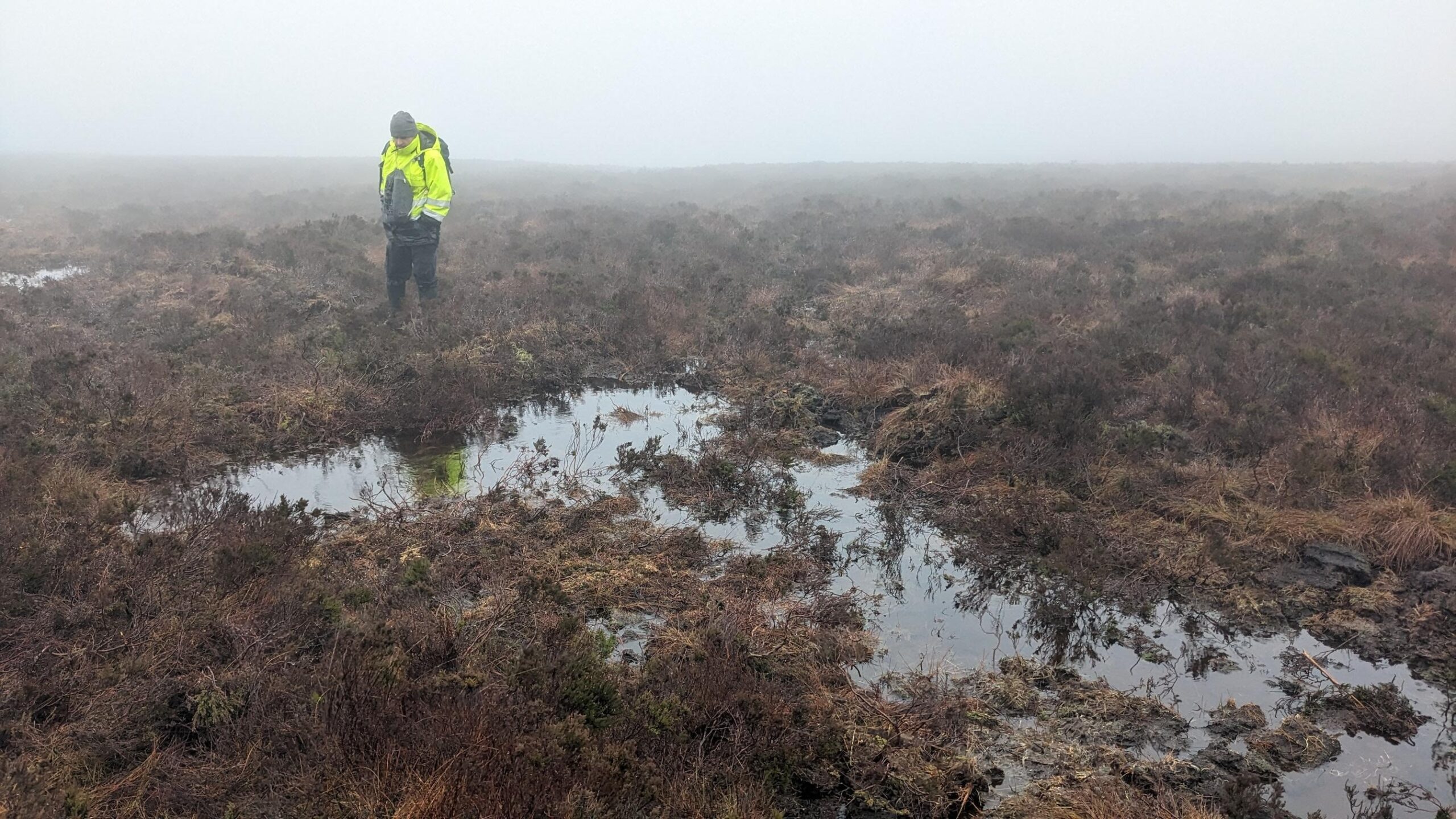
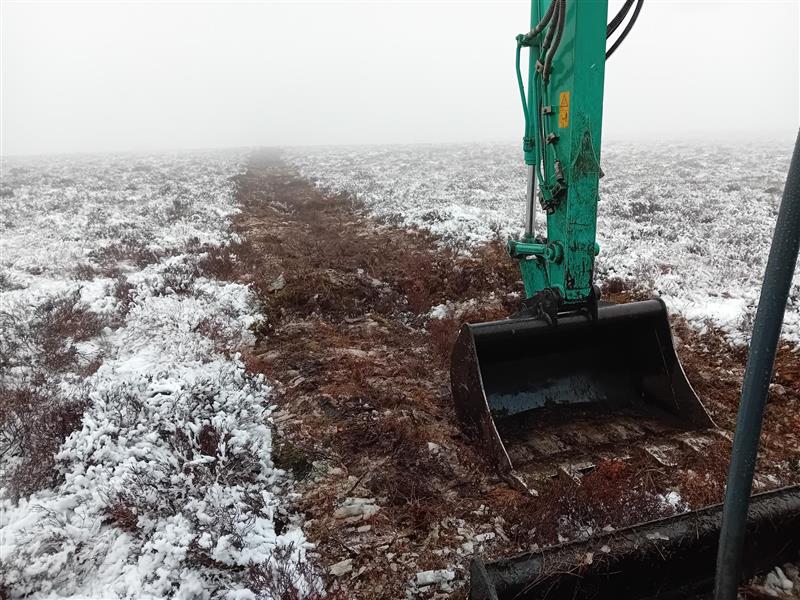
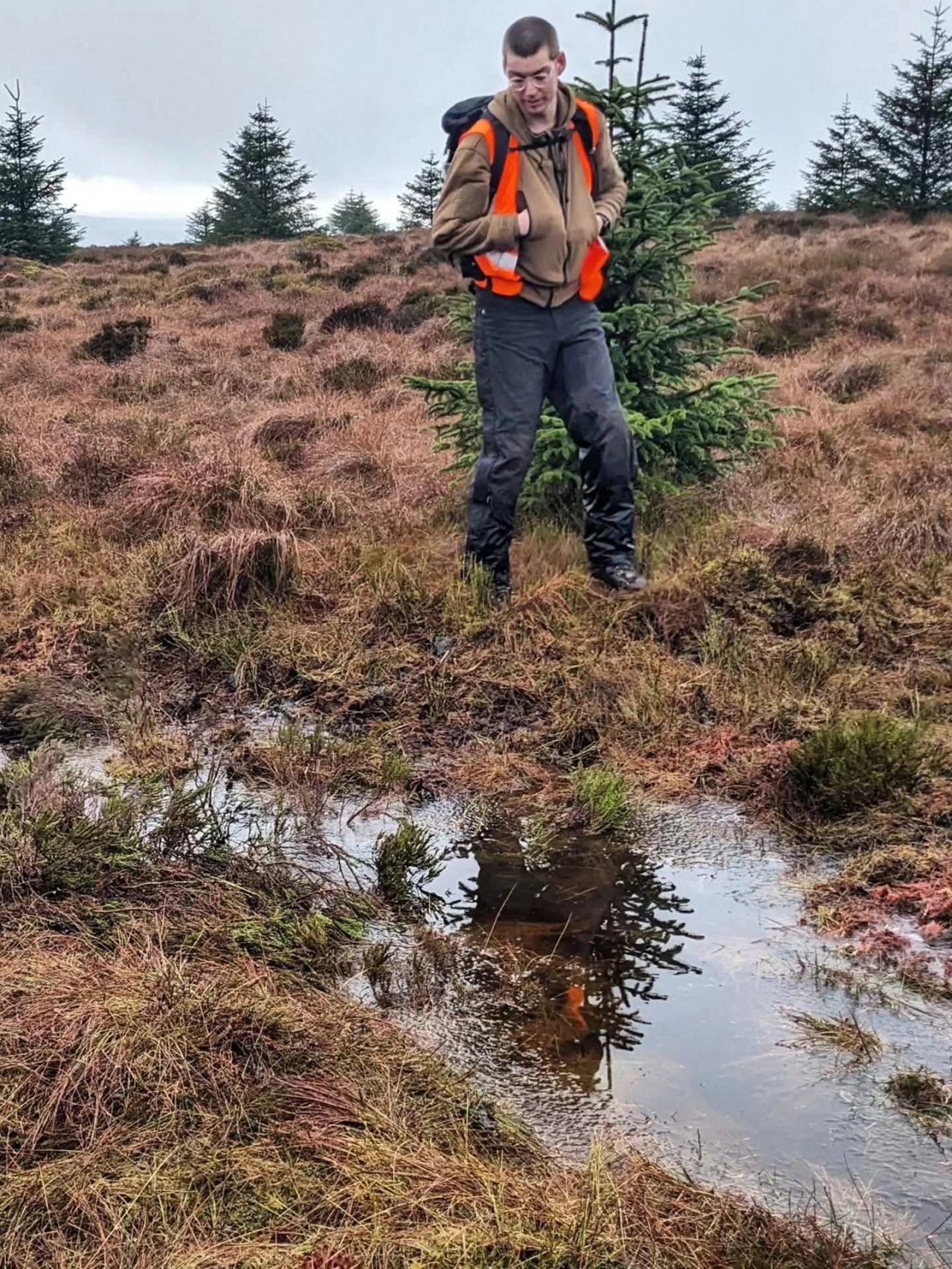
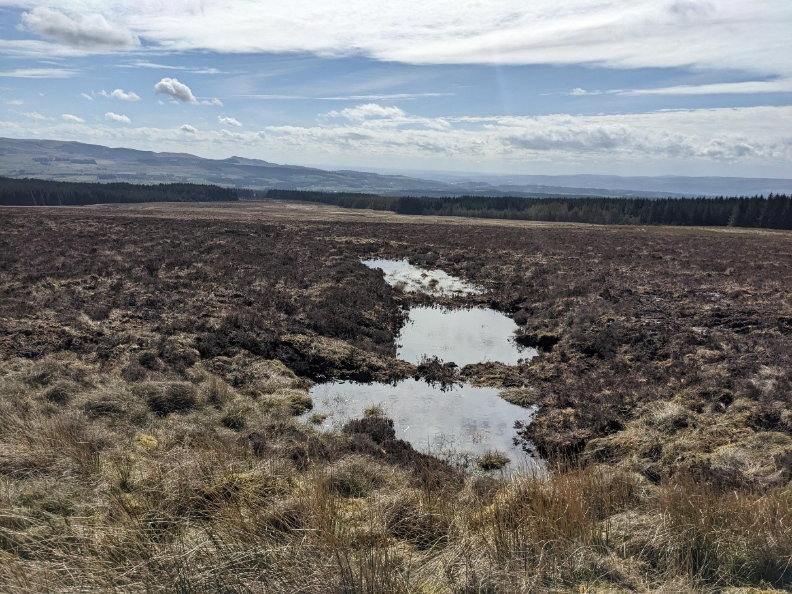
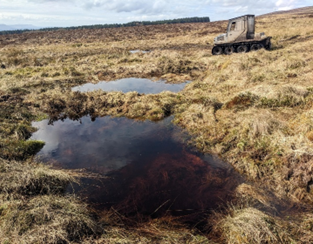
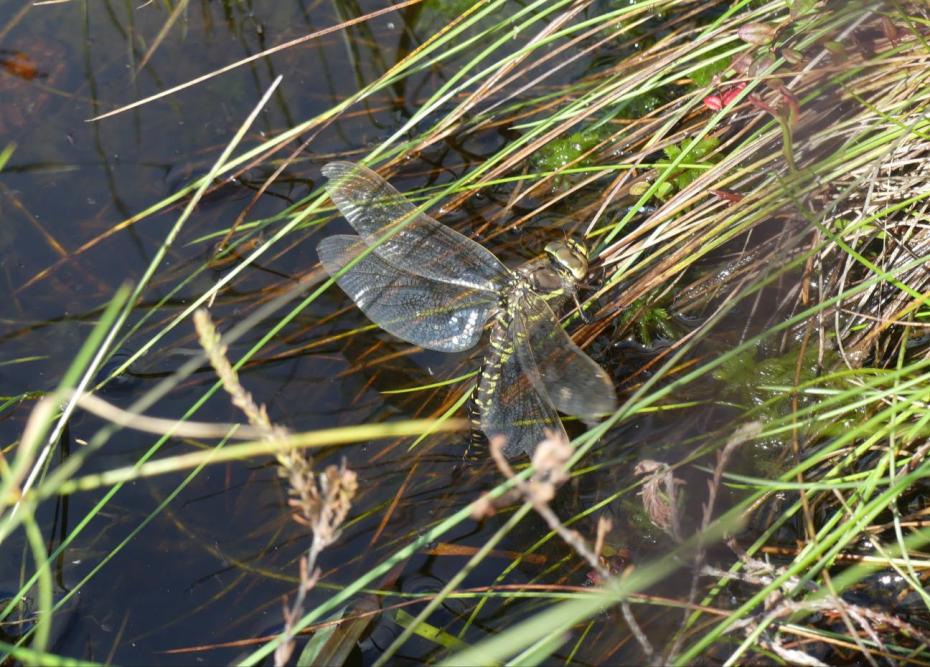
Knoxfauld Farm and Forth Rivers Trust undertook this ambitious restoration project to address the urgent challenge of degraded peatlands in Scotland, where approximately three quarters of peatlands are currently damaged. Healthy peatlands are essential for carbon storage, flood mitigation, wildfire resilience and supporting rare and threatened wildlife, including sphagnum mosses, cloudberry, orchids, wading birds, amphibians, reptiles and protected species like otters. The project has delivered measurable environmental benefits at a significant scale. A 650-metre buffer zone was created using over 500 native broadleaved trees, protected from livestock through stock fencing and water gates. Along the river corridor, 30 metres of riverbank habitat was stabilised and enhanced through willow spiling and planting. Across the wider site, 274 hectares of peatland were rewetted through the removal of 6,117 invasive Sitka spruce scrub, blocking 1.5 miles of drains, restoring 45 kilometres of grips, and reprofiling and revegetating 18 kilometres of gullies. 12 dragonfly pools were created to increase habitat diversity and support other freshwater species. 7 different odonatan species have already been recorded just months after restoration.
This project was developed through strong partnership working between Knoxfauld Farm and Forth Rivers Trust, demonstrating how a family-run farm and a small environmental charity can successfully collaborate to deliver landscape-scale restoration. It has become a recognised case study for the European Commission through the MERLIN Project, showcasing how blended funding can support large-scale nature recovery.
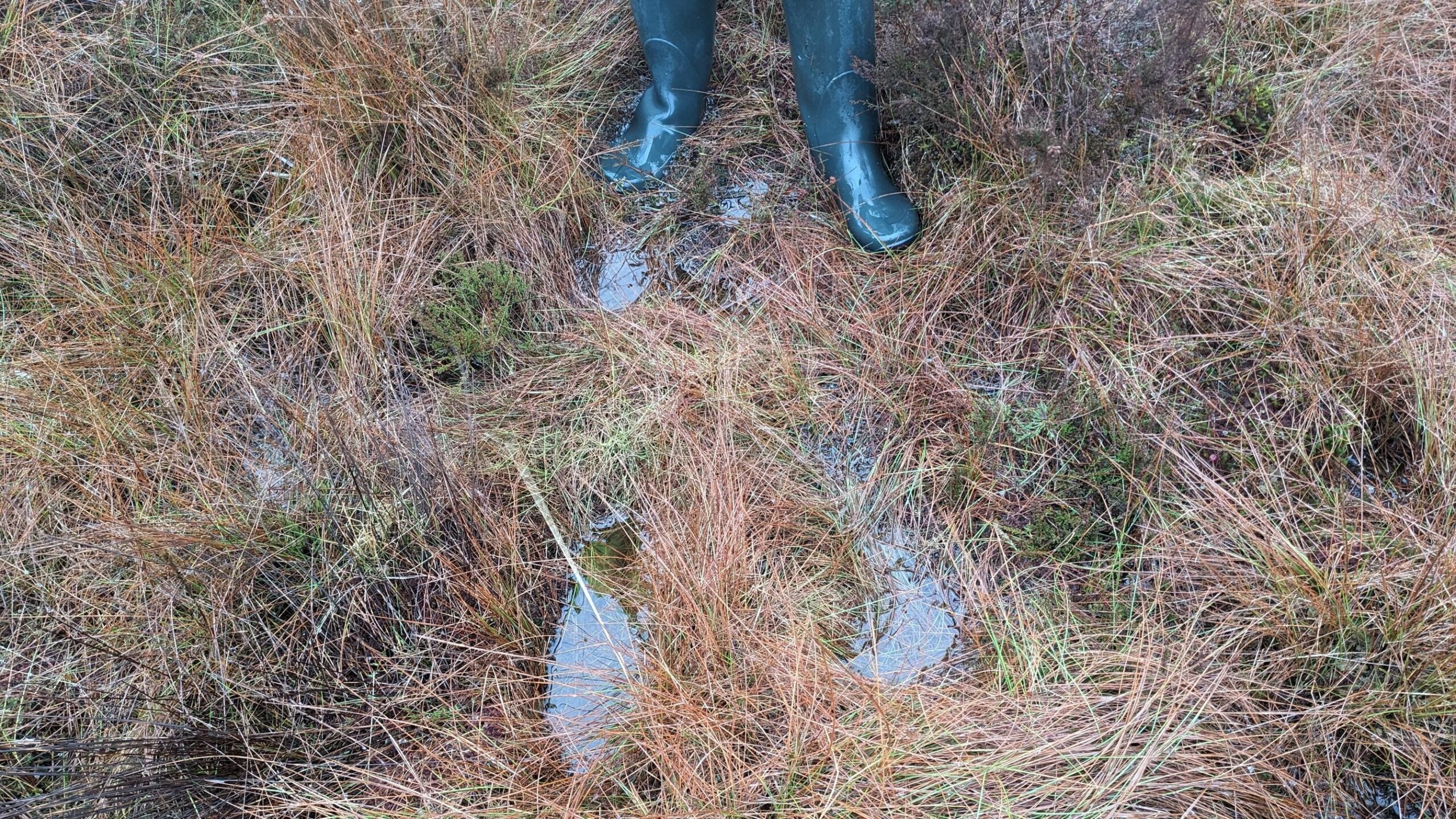
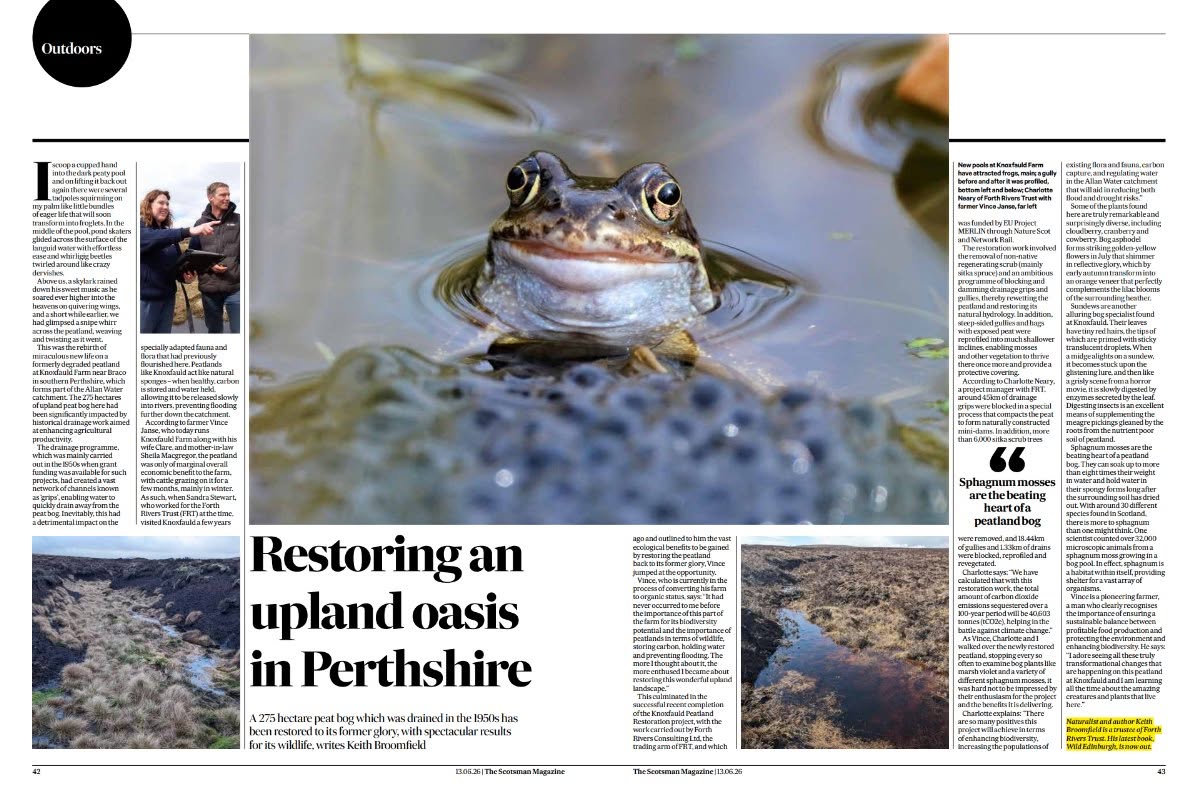
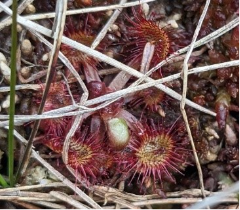
The restoration has already inspired wider interest in peatland recovery and sustainable land management. Importantly, evidence of impact for nature was visible within weeks of completion. Tadpoles and pond skaters were recorded in newly formed pools, while common snipe and meadow pipits were abundant across the site. Species such as cotton grass, cloudberry, bog cranberry, crowberry and sundew were identified, demonstrating that the peatland ecosystem is already recovering rapidly, and providing improved habitat resilience for thousands of species into the future.
The project has already influenced behaviour and inspired further action. Following the restoration work, Knoxfauld Farm successfully secured a Farming Innovation Grant to equip its cattle herd with GPS collars to support more sustainable grazing management for the benefit of the peatland into the future. This demonstrates how environmental restoration can work alongside productive farming practices and encourages other land managers to adopt similar approaches.
The project is also gaining national and international recognition. International Union for Conservation of Nature has visited the site and plans to jointly host an event with the farmer and Forth Rivers Trust to encourage wider uptake of peatland restoration across the region.
In addition, the MERLIN Project has showcased the project as a European case study, highlighting innovative approaches to funding freshwater and peatland restoration at scale. A collaborative paper involving the James Hutton Institute, Forth Rivers Trust and NatureScot, titled “To upscale nature restoration, invest in people not (only) markets”, is currently being prepared for publication – to further share the project’s learning and legacy. Media coverage celebrating Knoxfauld Farm and the wildlife benefits of the restoration has helped raise awareness and inspire others.
The project leaves a lasting legacy through demonstrating that profitable food production, biodiversity enhancement and climate action can successfully coexist.
Objectives
- Re-wet 273 hectares of previously degraded peatland habitat
- Remove historic drainage grips and gullies, and invasive non-native Sitka Spruce scrub
- Slow the flow of runoff into the Allan Water catchment, helping support improved water quality downstream
- Establish river buffer zones
- Enhance riparian woodland planting
- Stabilise riverbank erosion using traditional willow spiling
- Demonstrate how nature restoration can support climate adaptation at a catchment-scale level
Funders
This project was funded with thanks to the EU Merlin Project and Network Rail.

Landowner
With thanks to Vince Janse at Knoxfauld farm, whom without, this work would not be possible.