Education & Learning
Overview
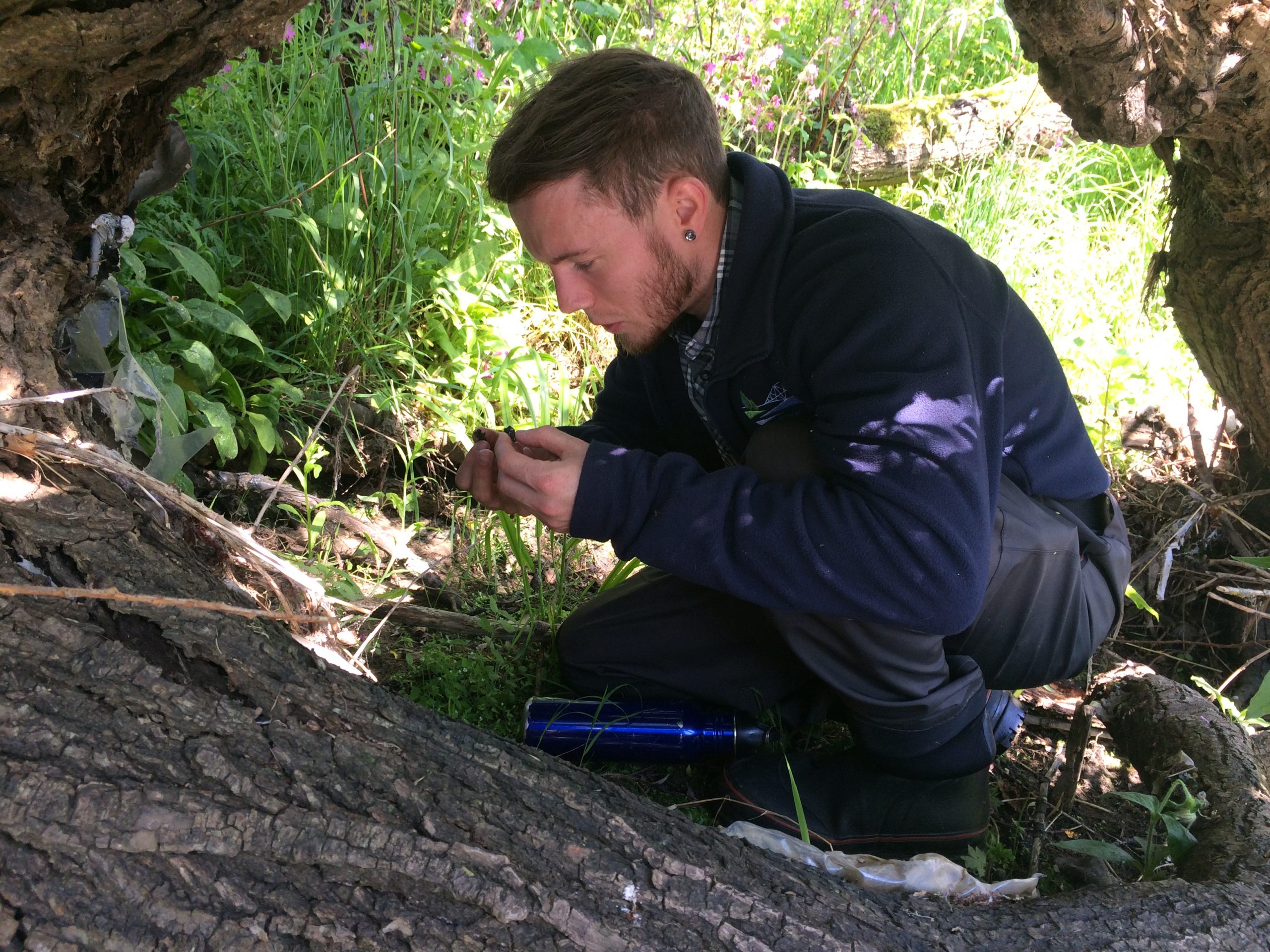
The project has an educational element included in it, and so we are working with local schools to get them involved. At three local Primary Schools, the Fish in the Classroom project has already been run, and it is hoped that more schools can be included as the projects progresses. This project involves aquaria being set up in the classroom, and the children have the task of looking after some trout eggs as they develop into alevins and then into fry. It is really important that they are able to keep the water nice and cold using ice bottles in order for the fry to survive. After around 6 weeks, the fry are ready to go to the River Leven, and so we have a field trip to the river to release the fish. While we are there, we also spend time playing games and looking at bugs sampled from the river and a bankside pond, and talk to the school kids about what they would like to see down by the river. Some of the comments coming back suggest they would like to see less muddy paths and disabled access, while a few also wanted to be able to cycle there and have a go at fishing.
In addition to working with Primary Schools, we have agreed with Leven Academy to get involved in some of their John Muir Award activities, and will be running river habitat, electrofishing and eel trapping demonstrations for groups of secondary students. Plans are being put in place to run our Dynamic Rivers workshop in the school, with the potential to reach larger numbers of students.
One of our teaching activities is for adult learning, and involves workshops on conservation action for eels. The workshop teaches people how to build eel ropes. These are braided ropes of hay that can be place on old weirs that make it difficult for eels to get up the river. There are two old weirs in the Leven project area, and they would both benefit by being made more passable for eels. Eels are very threatened in the wild and their numbers have decreased a lot in recent decades, so any conservation action taken will be very helpful. The workshops will also teach how to trap eels safely so that the success of the eel ropes allowing young elvers upstream can be monitored easily. This type of workshop is of particular interest to the angling community, and there are also plans to offer training for the Anglers Riverfly Monitoring Initiative (ARMI). This involves learning to sample aquatic insect larvae from the river substrate and identify a reasonably small number of groups with different sensitivities to pollution. A simple score can be calculated to indicate how polluted the river is. This score can be uploaded to SEPAs website and if a pollution event or a problem is detected, SEPAs Environmental Protection Officers can investigate.
We will also be rolling out a citizen science project called RiverWatch which involves a workshop with volunteers being trained to use simple water testing kit such as pH score or turbidity. Volunteers are given a schedule take water samples over a fixed period, and then a further workshop is held to analyse and interpret the results.
All of these education activities are primed to get people using the river and the paths network in a positive way, and getting them interested in the wildlife so that they develop a strong sense of ownership for the area. There is potentially quite a lot of investment coming for improvements around the river, and we want to make sure people get as much benefit as possible from this. By getting people interested and involved at an early stage, it becomes possible to make the absolute most out of the works.

Fish in the Classroom releasing trout fry into the river
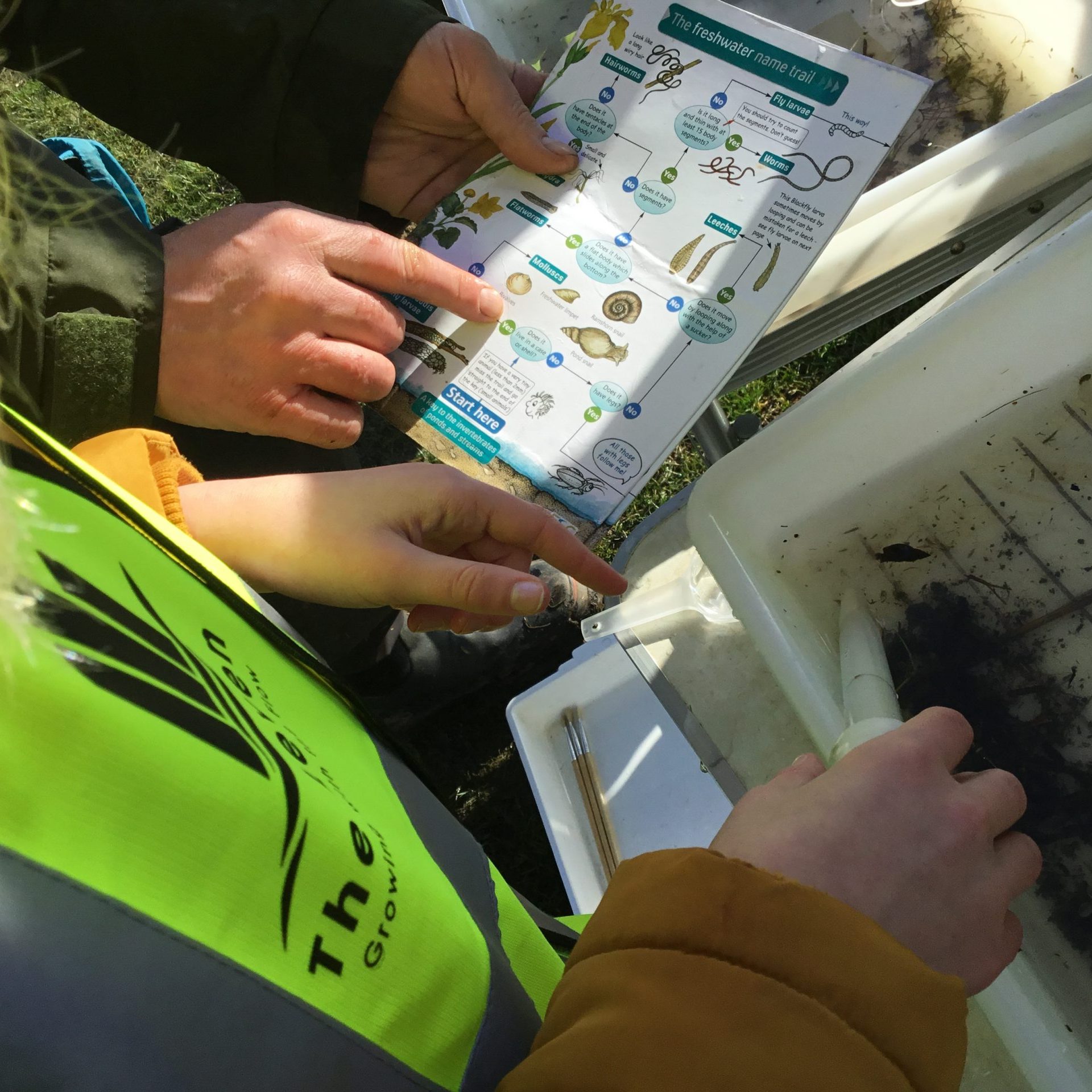
Fish in the classroom looking at river bugs

Fish in the Classroom field trip to river1
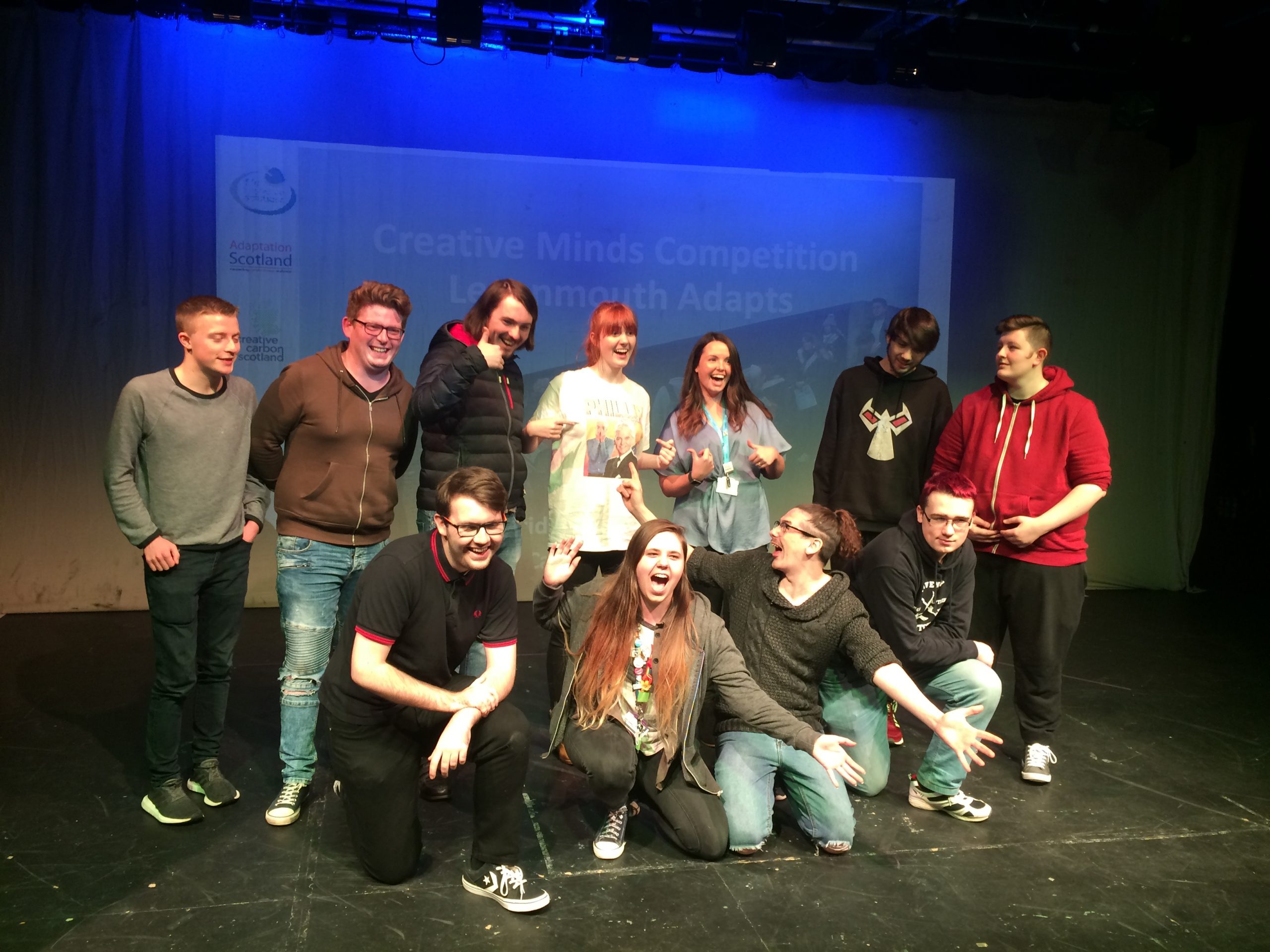
Fife College students documentary competition