Removal of Morton Quarry Weir Unleashes the Power of Nature in West Lothian
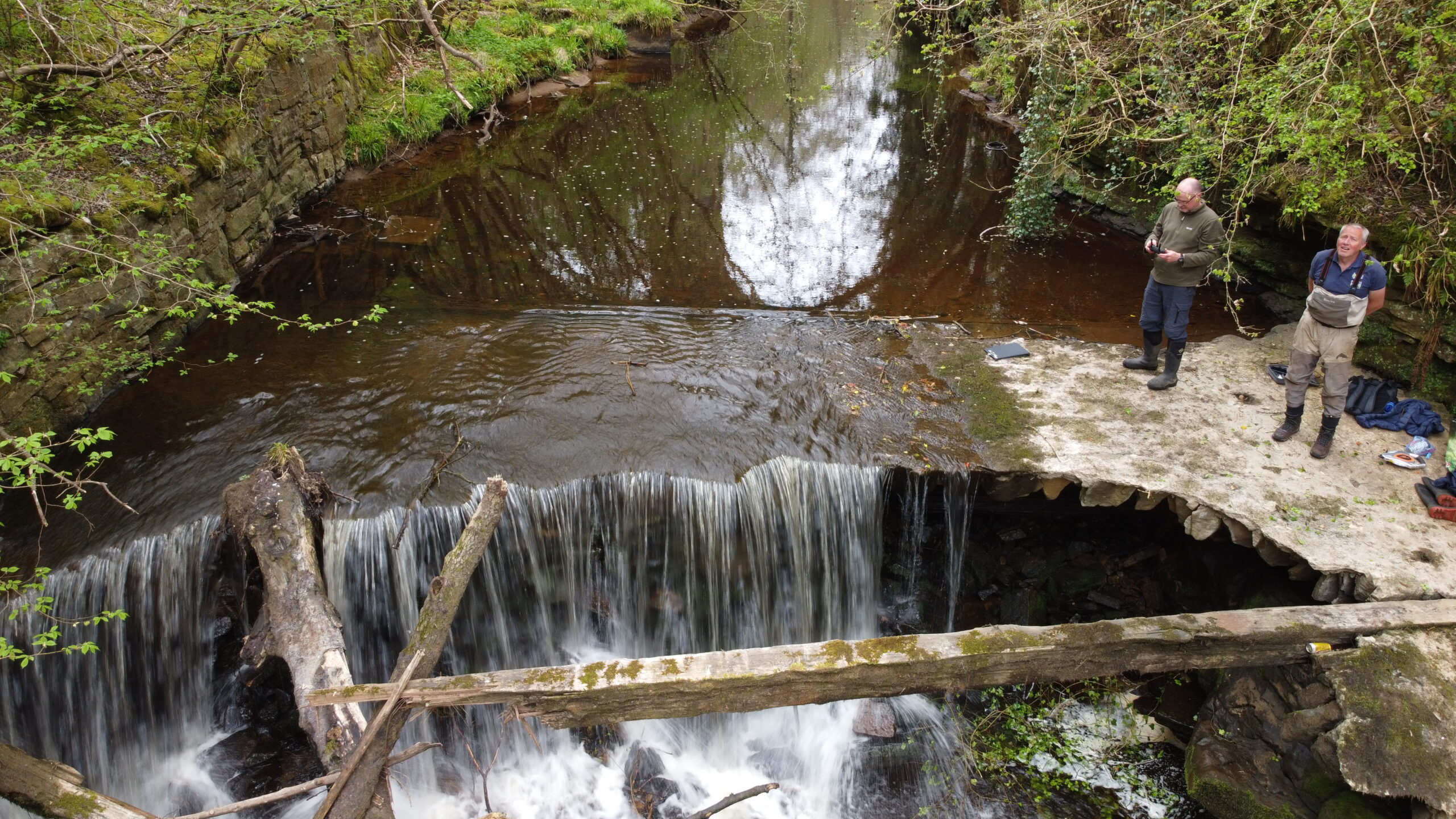
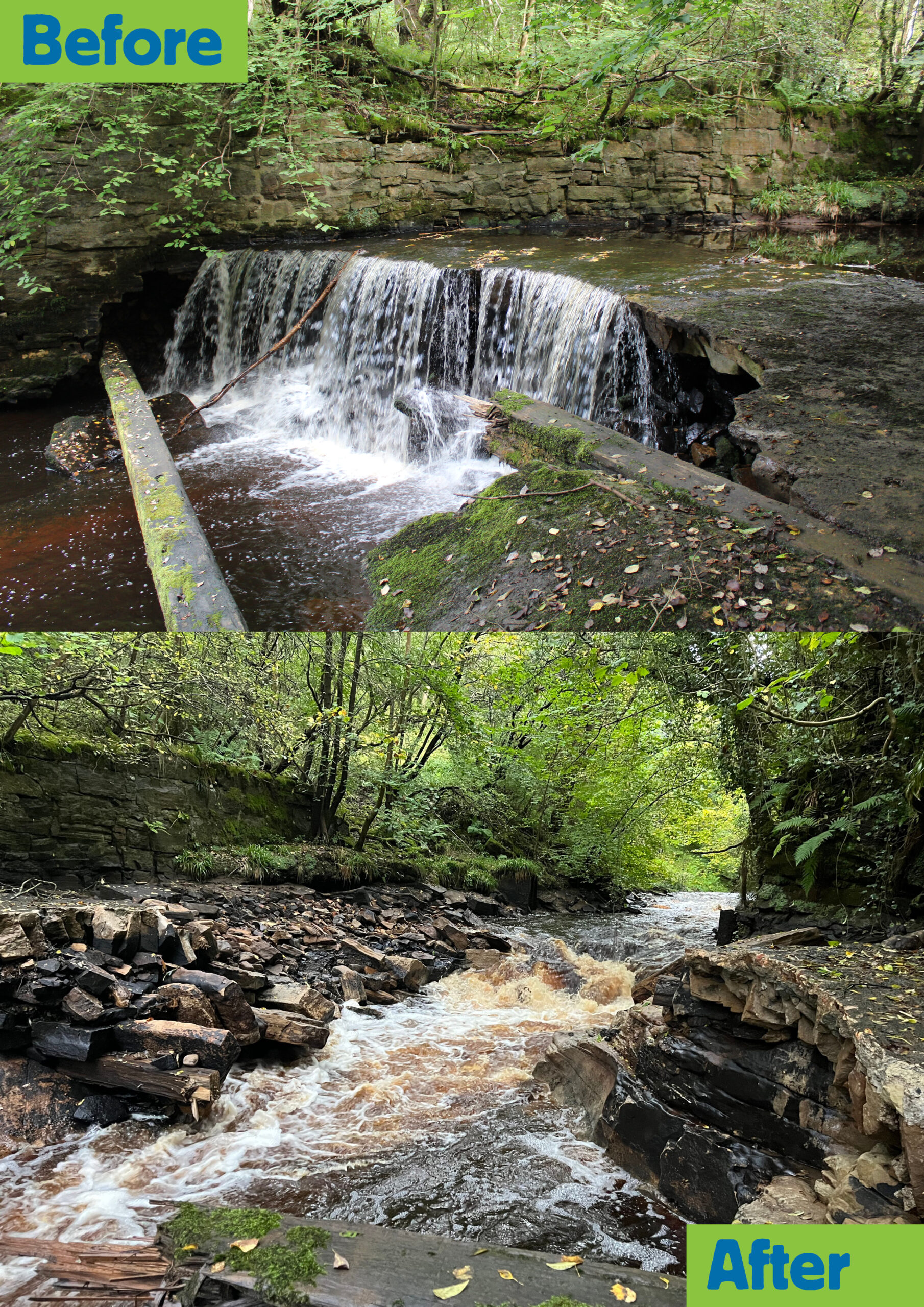
The Forth Rivers Trust is thrilled to announce the successful removal of the Morton Quarry Weir, a historic relic of the 1800s oil shale industry, situated in the heart of a steep gorge on the Linhouse Water, a tributary of the River Almond in West Lothian.
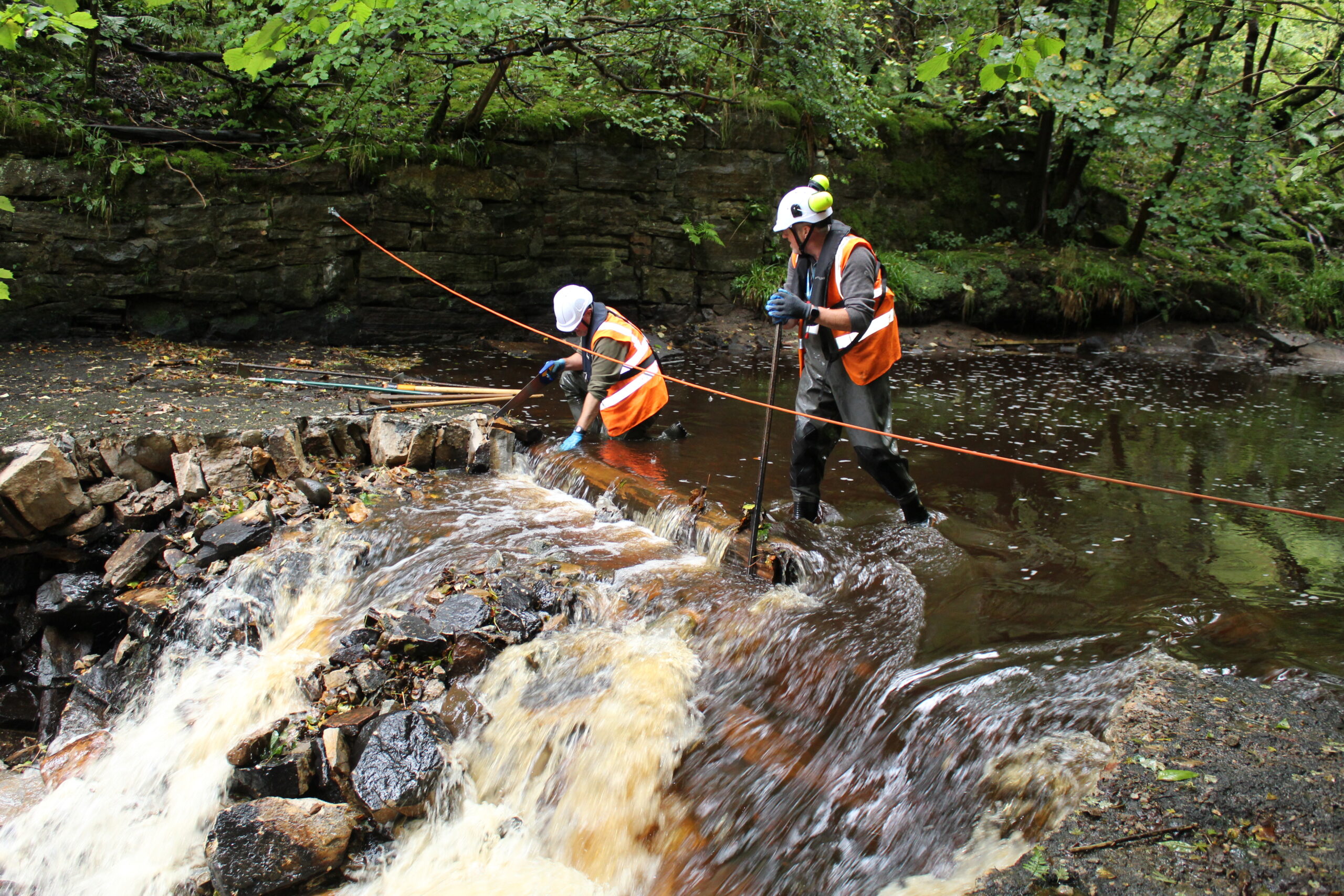
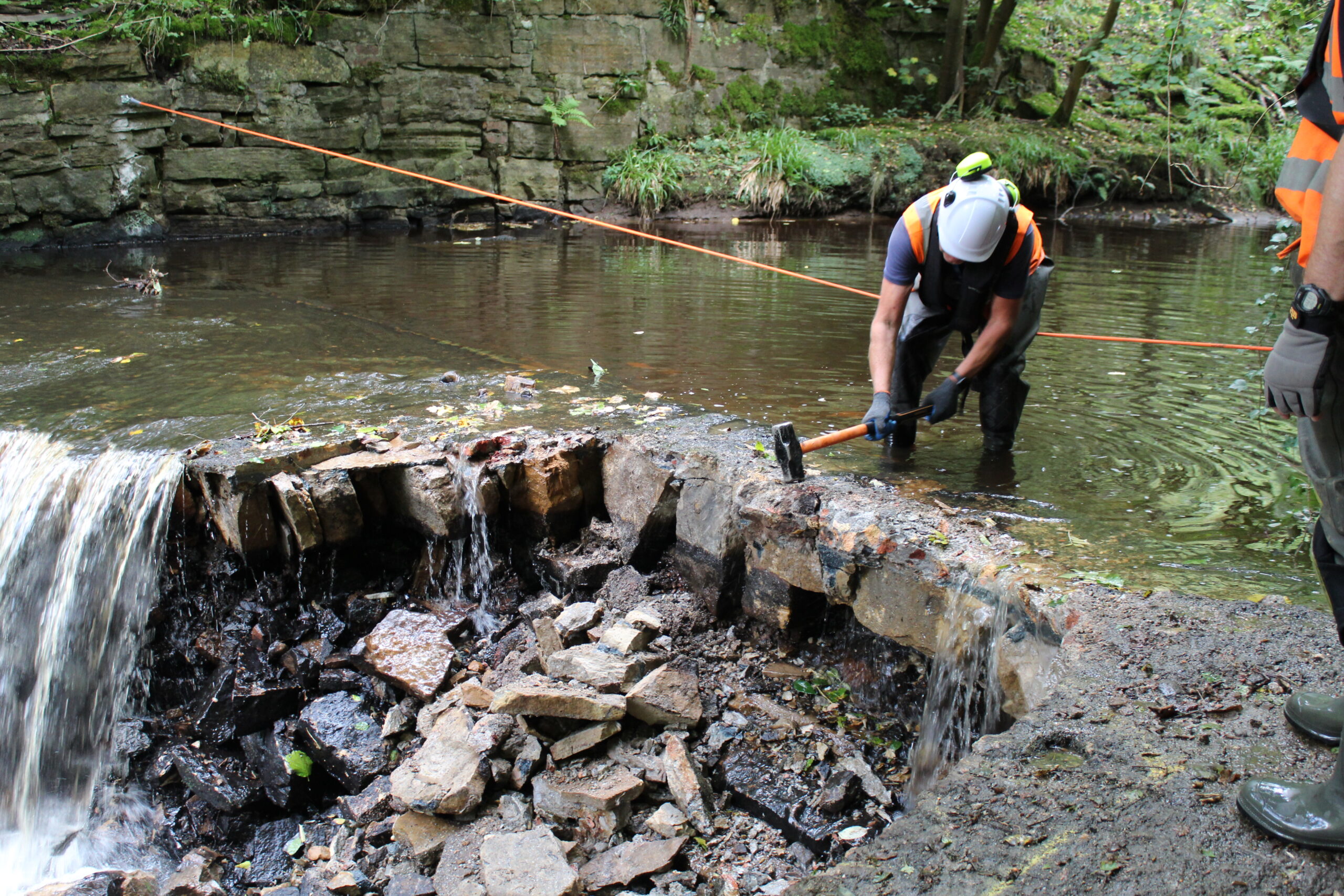
In a remarkable feat of dedication and craftsmanship, the staff at the Forth Rivers Trust dismantled the 2-meter-tall impassable weir by hand. The decision to carry out this delicate task by hand was driven by the challenging terrain that rendered machinery inaccessible and the prohibitive costs associated with creating such access.
The removal process involved meticulously stripping away a layer of concrete from the weir’s surface to reveal the natural cobblestone weir beneath. These cobblestones were removed and redistributed downstream, contributing to enhancing the aquatic habitat in the Linhouse Water.
Despite the challenges posed by high river flows, which occasionally halted progress, they also played a role in expediting the weir’s removal by washing away the stone as well. The Forth Rivers Trust team persevered through these adversities, recognising the greater good that would come from restoring the Linhouse Water to its natural state.
Jonathan Louis, Co-Director of the Forth Rivers Trust, expressed his gratitude for the support received, saying, “This project has been a labour of love for our team, and we are immensely thankful to the European Open Rivers Programme for making it possible. With the removal of Morton Quarry Weir, we have rekindled the river’s spirit and opened up approximately 5 kilometres of pristine habitat for salmon, sea trout, brown trout, and eel. This project is a testament to the power of collaboration and a shared vision for a healthier environment and could not have happened without the dedicated staff at the Forth Rivers Trust coming up with solutions to tackle what felt like the impossible.”
Jack Foxhall, Executive Director of the European Open Rivers Programme said “We are delighted to hear about the successful opening of the Linhouse Water tributary, a milestone that enables the full migration of freshwater species for a further five kilometres upstream and the natural flow of sediments. We hope this achievement will catalyse many more collaborative efforts to restore rivers, ensuring a harmonious balance between nature and heritage.”
The Forth Rivers Trust remains committed to its mission of conserving and restoring rivers and their surrounding habitats, and this achievement at Morton Quarry Weir is a shining example of our dedication to this cause.
About the Forth Rivers Trust:
The Forth Rivers Trust is a non-profit organisation dedicated to conserving and restoring rivers and their associated habitats in the Forth catchment area. With a passionate team of experts, the trust works tirelessly to protect and enhance the natural environment, ensuring the sustainability of our rivers for generations to come.
About the European Open Rivers Programme:
The creation of the Open Rivers Programme was informed by two years of research and stakeholder engagement, which revealed that around one million dams are fragmenting European rivers and that there is much potential and need for dam removal. The research concluded that dams contribute to the significant decline of biodiversity and that removing them can quickly restore river flow and biodiversity. It also concluded that there is a genuine lack of understanding of the benefits of dam removal and only a handful of organisations promoting and funding it at the European level.
In recognition of the scale of the problem, a significant funding gap and the opportunity, Arcadia enabled the creation of the Open Rivers Programme in the spring of 2021. A new entity, “Stichting European Open Rivers Programme,” was formed in the Netherlands on 25 June 2021 to manage and implement the programme. It will offer grants to remove small dams and restore endangered European rivers.
The Open Rivers Programme officially began operating in October 2021, with funding from Arcadia, a charitable foundation that works to protect nature, preserve cultural heritage and promote open access to knowledge.