Riparian Woodlands and their Importance for Natural Flood Management by Sandra Stewart
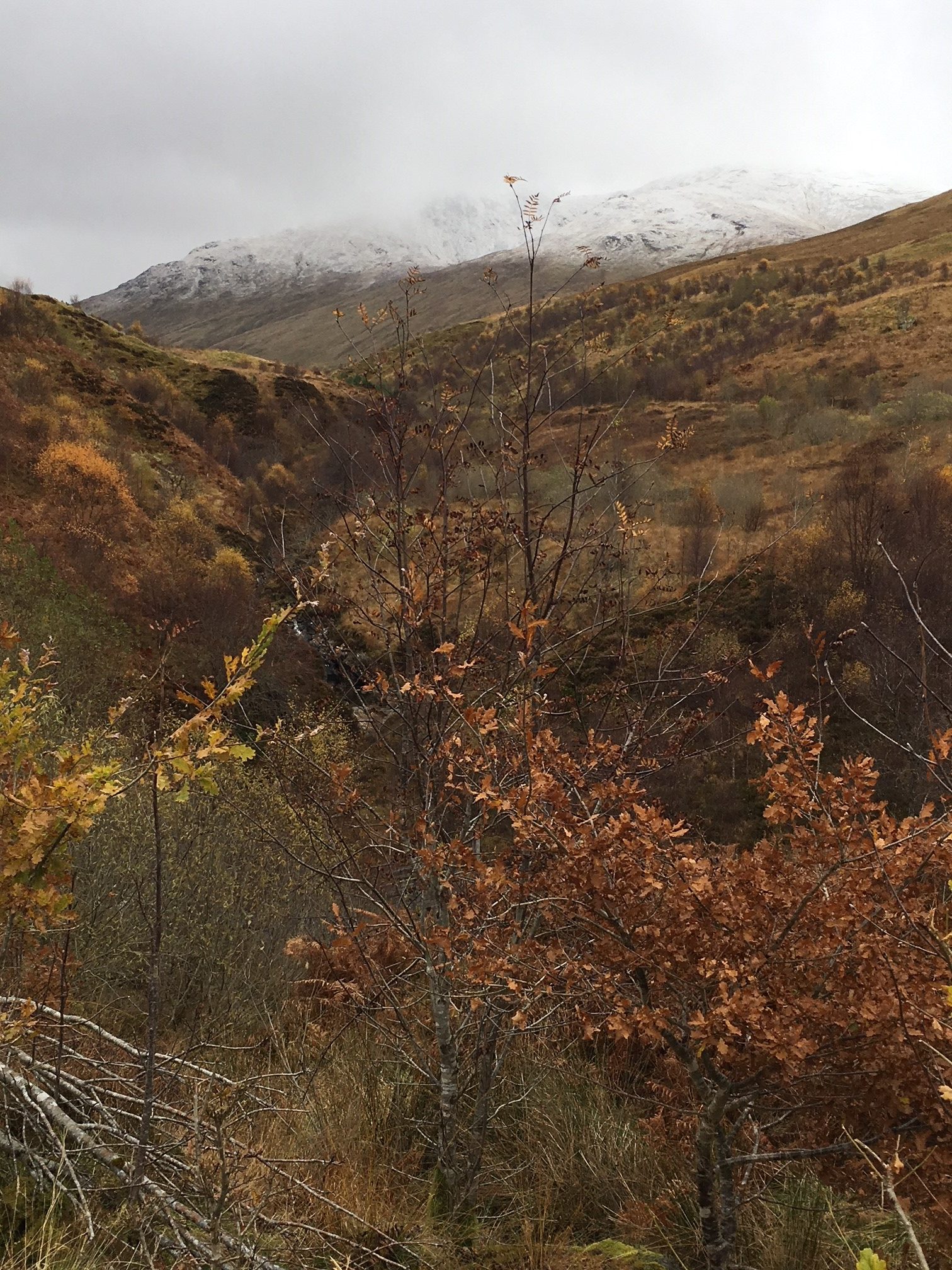
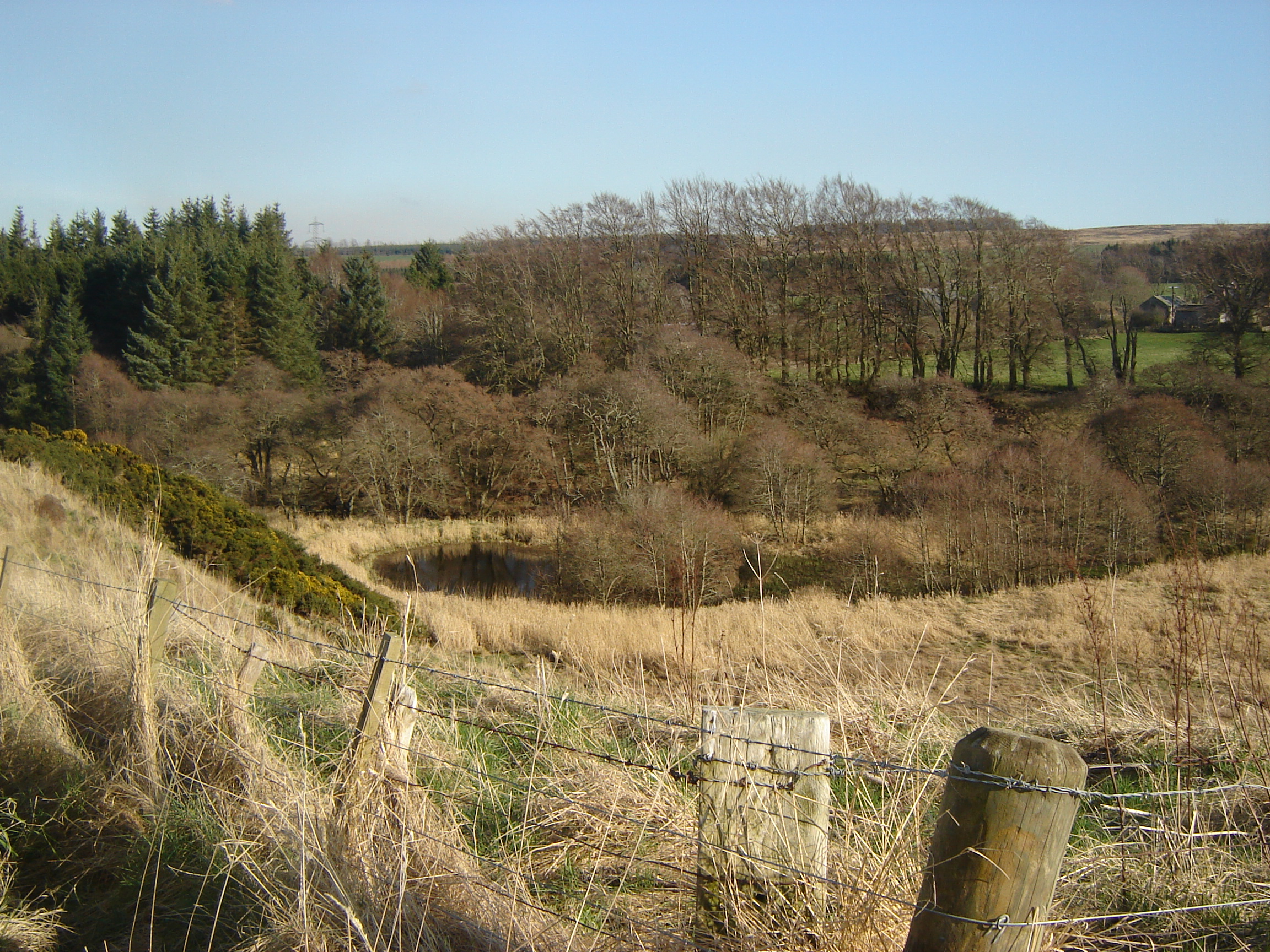
Riparain woodlands are woods situated along a watercourse or around a lake or loch. They are very variable in size and shape, have a range of trees, shrubs and ground vegetation and provide valuable landscape features. Where adjacent to burns and rivers they are frequently situated on steep uncultivable banksides. They are often the last remaining woods in an area and as such are usually long established and ecologically diverse, supporting a variety of habitats and associated wildlife. Due to their often-elongated nature along burns and rivers they are commonly the link or wildlife corridor from one habitat to another.
Being in close proximity to the waterbody riparian woodlands provide many benefits such as buffering the watercourse from adjacent land management, improve water quality, enhance habitats for fish and aquatic insects and aid natural flood management. Additional benefits include:
- The roots of bankside trees and associated vegetation help to bind and strengthen stream banks, reducing the risk of bank collapse, erosion and siltation. Underwater roots also provide shelter and environments for freshwater species.
- The tree canopy casts shade over the water surface, which helps to reduce extremes of water temperature that can be harmful to freshwater life. Shading also helps to reduce excessive weed growth that can choke watercourses.
- Falling twigs, leaves and insects provide an important source of food for freshwater life, while fallen logs and branches can form woody dams and pools that help to enrich freshwater habitats and slow down flood flows.
- The trees, ground vegetation and surface roots can trap sediment and remove nutrient and other pollutants in water draining from the adjacent land on route to the watercourse.
The UK Biodiversity Action Plan recognises the value of riparian woodland habitat and set targets for achieving both extension and restoration work. The Allan Water Improvement Project is working with farmers and other land managers and organisations to help create and extend riparian woodlands.