Shouting into the Ether
It can be daunting enough delivering a lecture to a live audience but delivering presentations online comes with a range of new challenges. Having never really used any of the online presentation packages prior to 2020, I now find myself using a multitude of them on a weekly basis; from Microsoft Teams to Google Meet, to Blackboard Collaborate. Each platform has its own quirks and foibles, and I can honestly say the I.T. learning curve this year has been bigger, faster, and steeper than any I can remember.
Since lockdown began in March I’ve participated and presented numerous online meetings and conferences and delivered talks to students at local universities. They say in cyberspace no one can hear you scream but the truth is without the full gamut of social interactions that come from face-to-face contact – the mannerisms, body language, and eye contact that all contribute to a presenter being able to ‘read the room’, in cyberspace it’s sometimes difficult for anyone to know what’s going on! It’s difficult but not impossible and like most things in 2020 it’s taken some time to get used to.
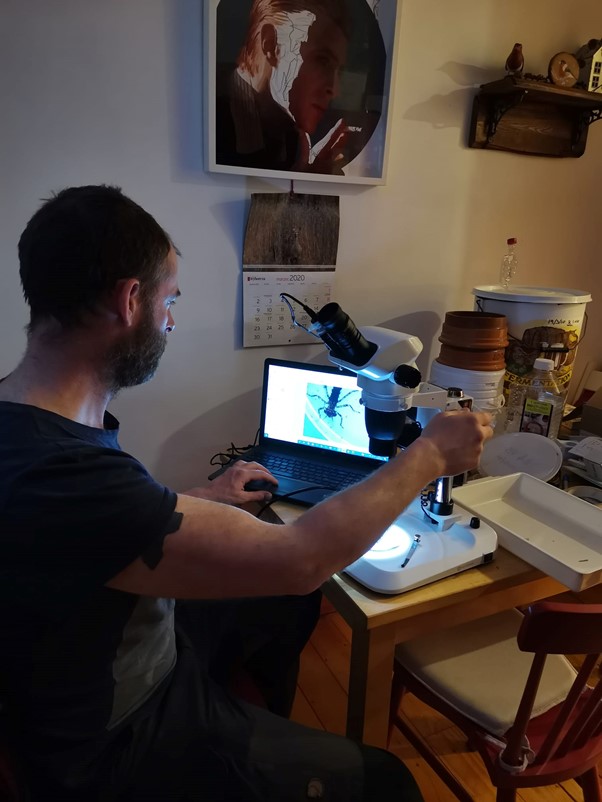
In a recent presentation I delivered to a local university via Teams from my kitchen, I was suddenly struck by the fact that, despite the fact that I had been talking continuously for 10 minutes, that there were over 30 other people in the ‘room’. Had I been presenting to this many people normally I would have had insight into the level of engagement; eye contact would tell me if people were listening, the background noise would alert me to whether I was losing my audience, and if I were, I could endeavour to win them back with questions or a change of tone. The talk ended with a Q&A session where I finally managed to engage with the audience and realised that they had been interested and enjoyed the session. Since then, I’ve learned to shout a little less into the ether, and to break up any online talks I deliver by seeking as much interaction as the different platforms allow. This not only provides me with a much-needed indicator of audience engagement, but it allows communication to flow back and forth like it did in the good old days.