Smolt Monitoring on the Keltie
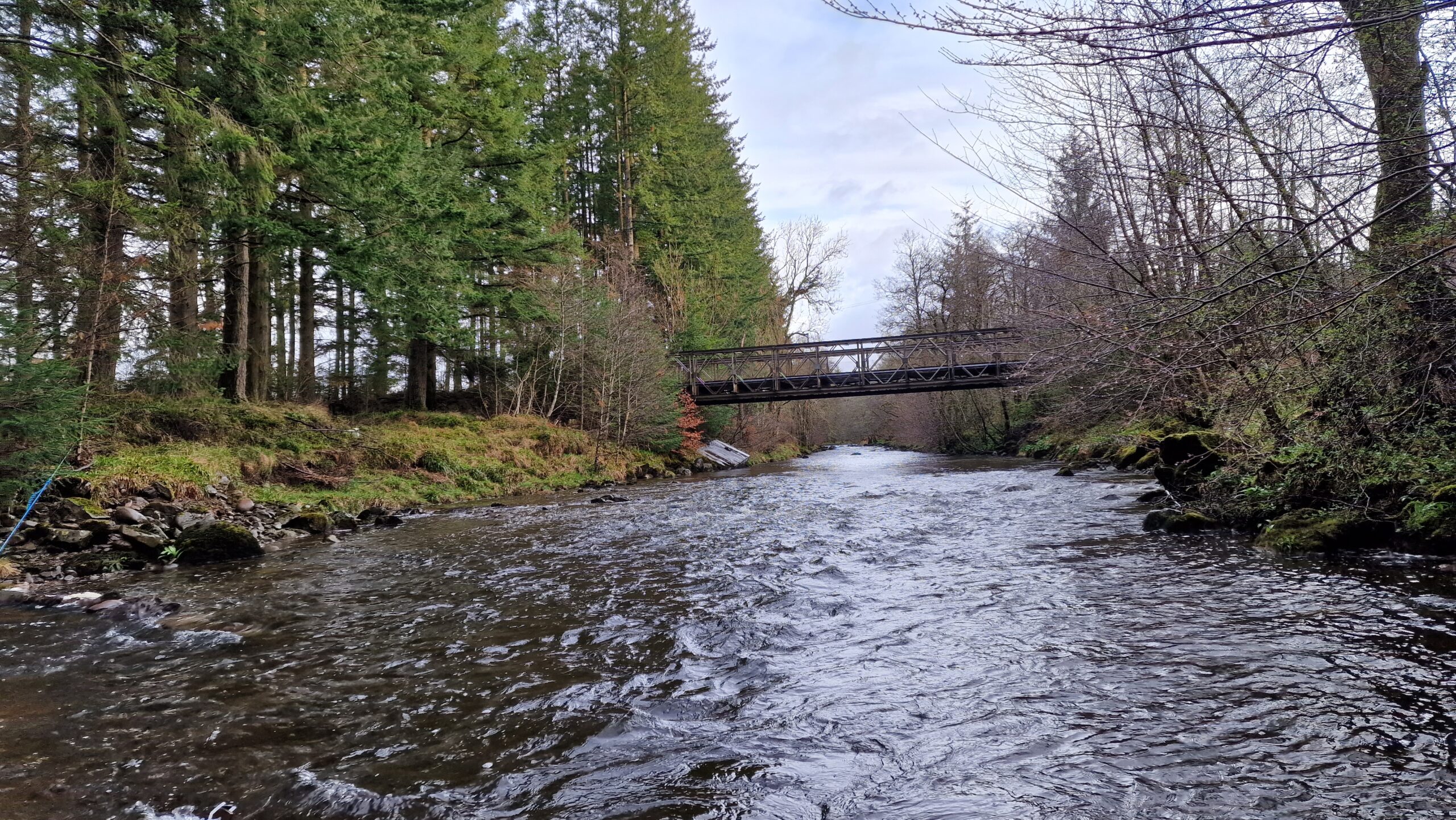
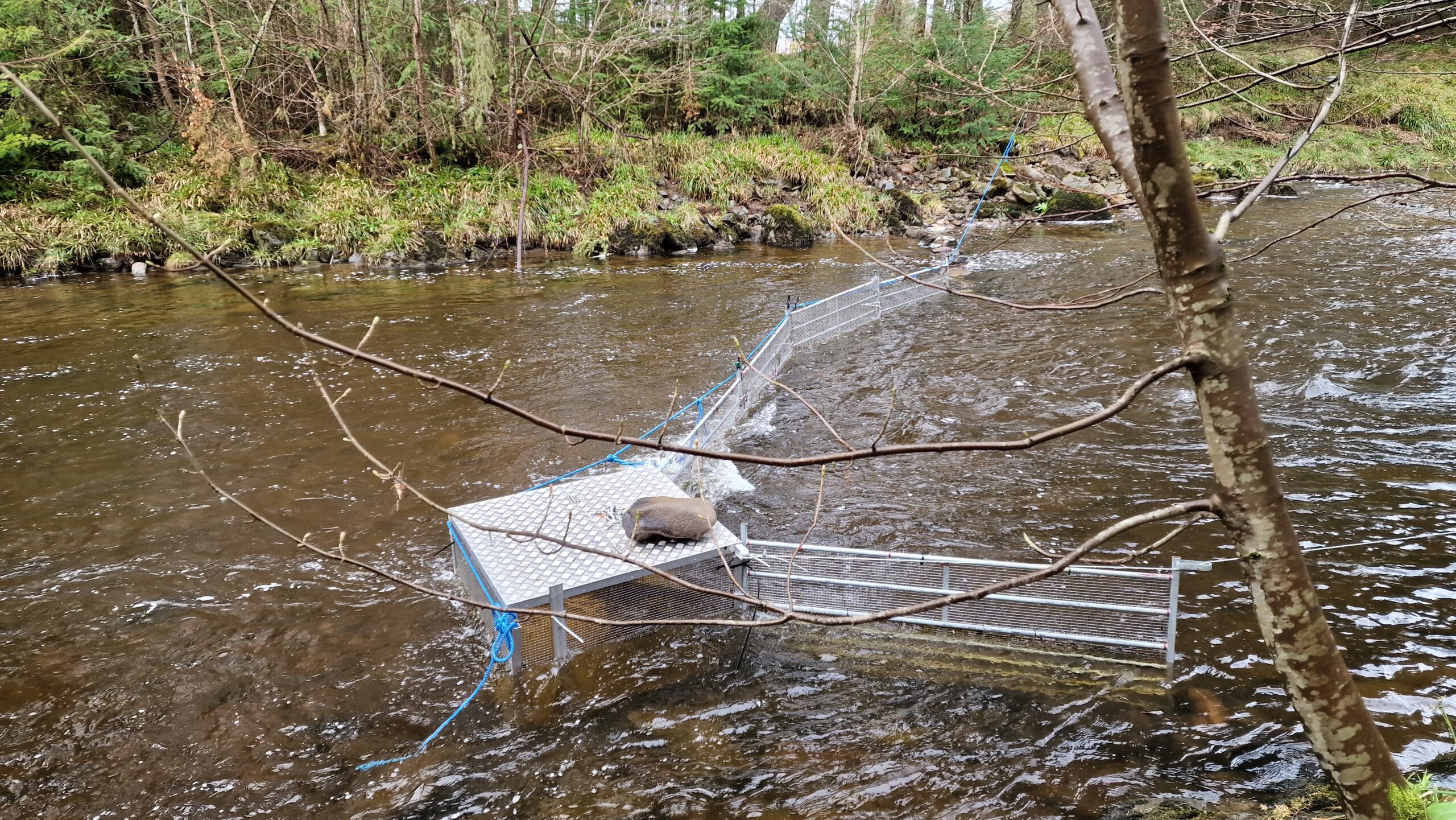
This Spring, we have been running a smolt trap on a tributary of the River Teith. This records the timing and number of salmon and sea trout going off on their migration to the sea. Smolt trapping is an effective fisheries management tool, and is something that is done regularly by many Fisheries Trusts. It enables river managers to understand when the smolt run happens, how old parr are when they smoltify, what size they achieve before smoltification and how productive spawning tributaries are. It is also possible to estimate the number of smolts a spawning stream should produce if there were no impacts or issues facing salmonids (known as refence conditions), and in this way compare empirical evidence on the ground with a predicted value. It also enables us to offer qualified advice to consultees wanting to avoid the smolt run window.
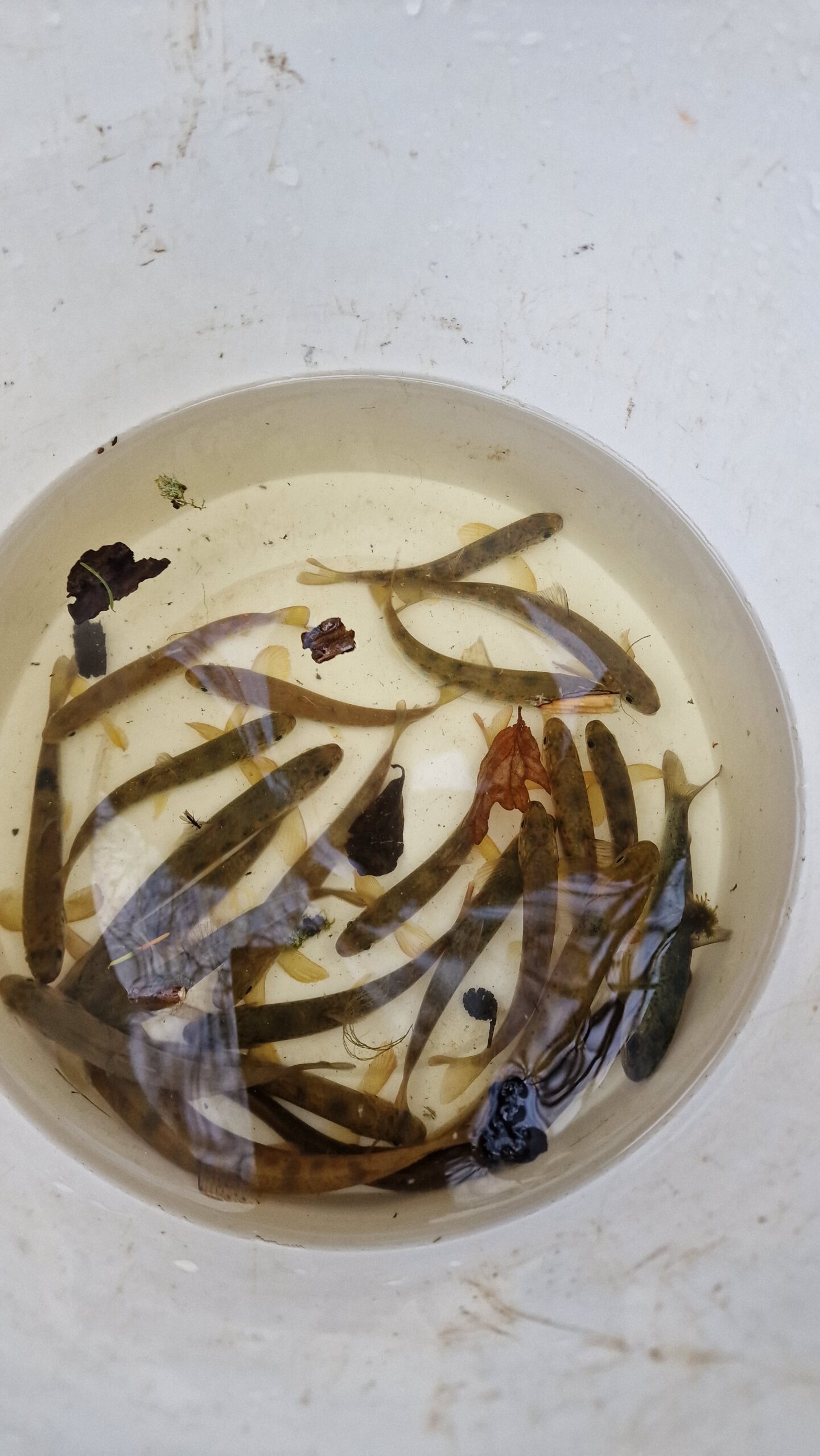
This is the second year we have carried out smolt trapping on the Keltie Water. We have been using a box trap designed by our head bailiff. Two members of staff have gone up to check the trap each morning and release any smolts in a safe pool downstream. We started trapping early this year because we don’t know what effect climate change is likely to have on the run timing. We were surprised to see a large number of pre-smolts migrating very early on in April. These would have been missed if we hadn’t started trapping early. The water levels have been very low since then, and so we are still waiting for the bulk of the run. The rest of the Teith has seen a good run of smolts which have been observed in large numbers in the pools of the main stem.
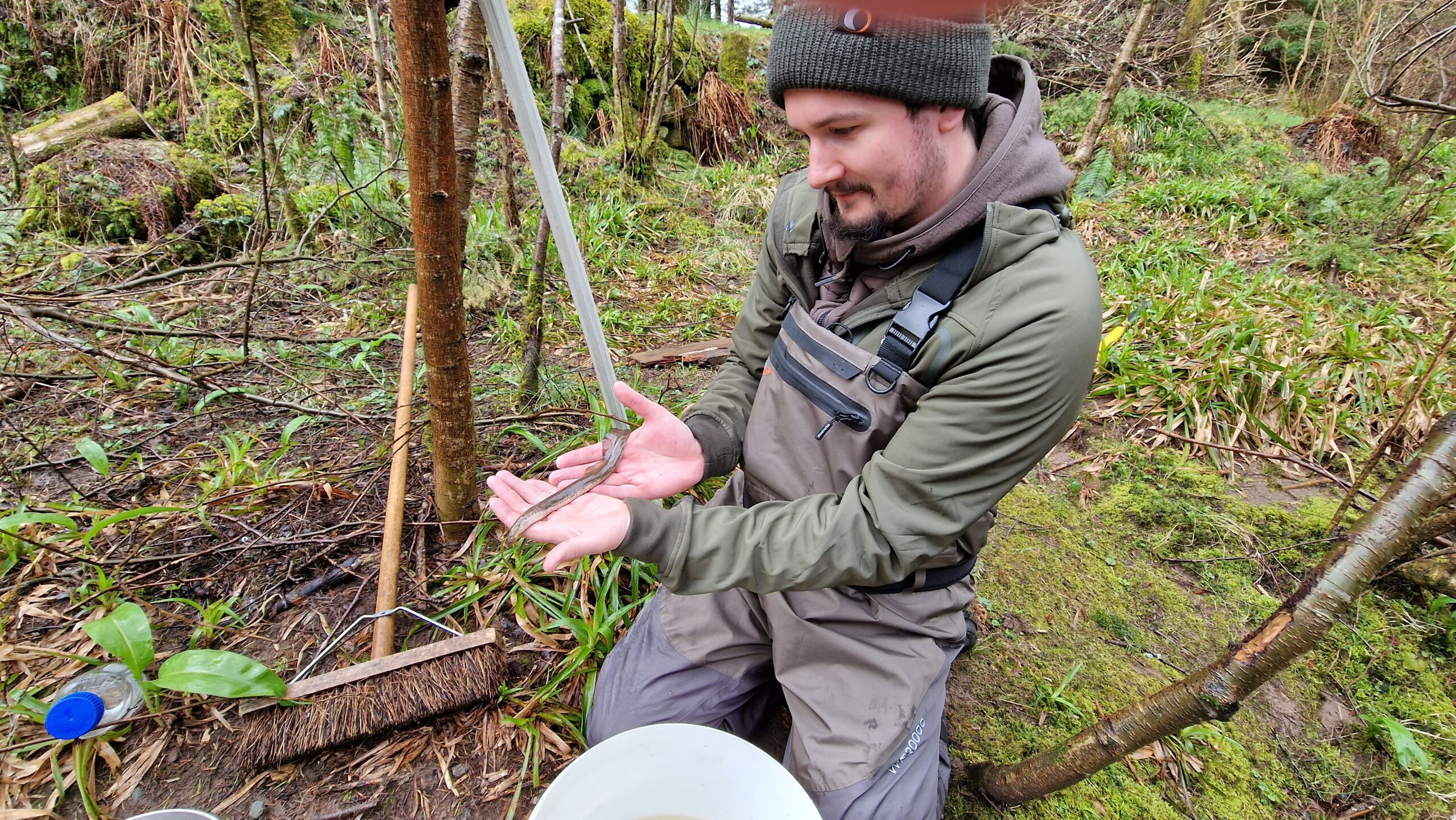
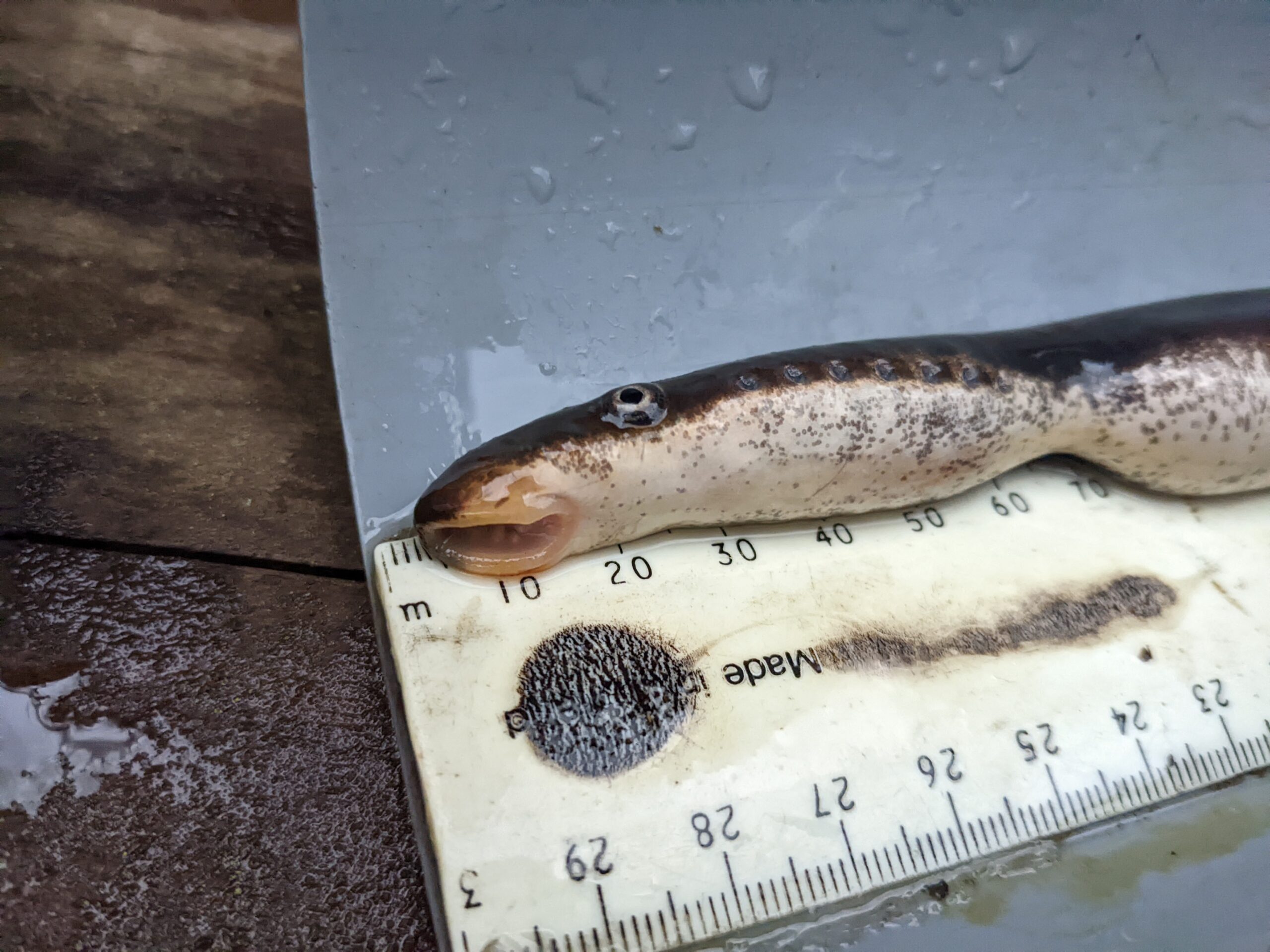
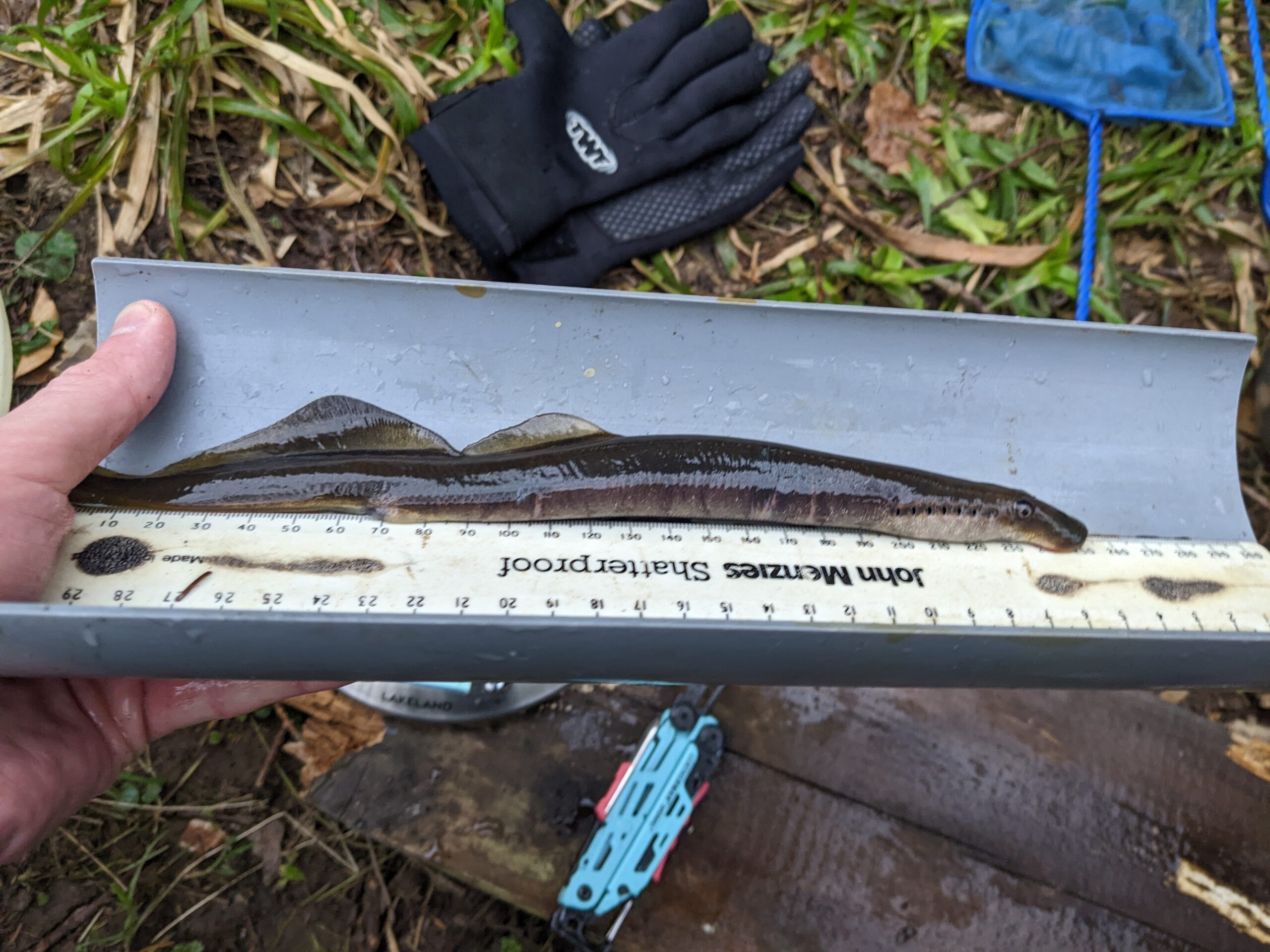
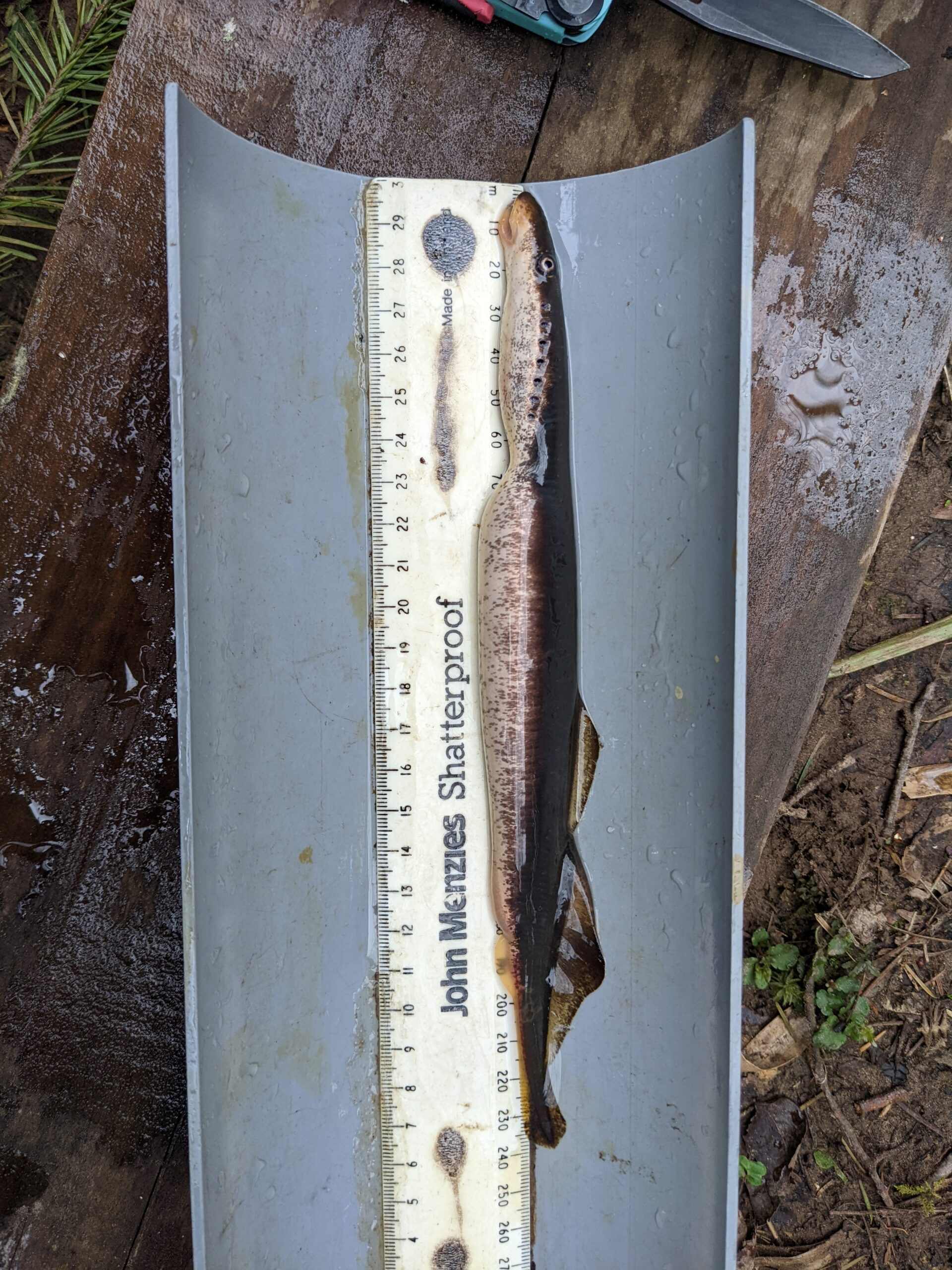
We have also found other fish species in the trap on top of salmon and sea trout. Lamprey have been turning up as they head to their spawning grounds to start the next generation.