

Over the past year, we’ve been working on Tracks to Tributaries, a project that set out to explore how nature‑based solutions can be delivered alongside critical infrastructure: helping rivers, wildlife and communities thrive together.
At its heart, the project has been about possibility. Understanding where opportunities exist across the catchment, listening to local knowledge, and shaping ideas that respond to real places, real challenges, and real ambitions for nature recovery.
Looking at the landscape differently
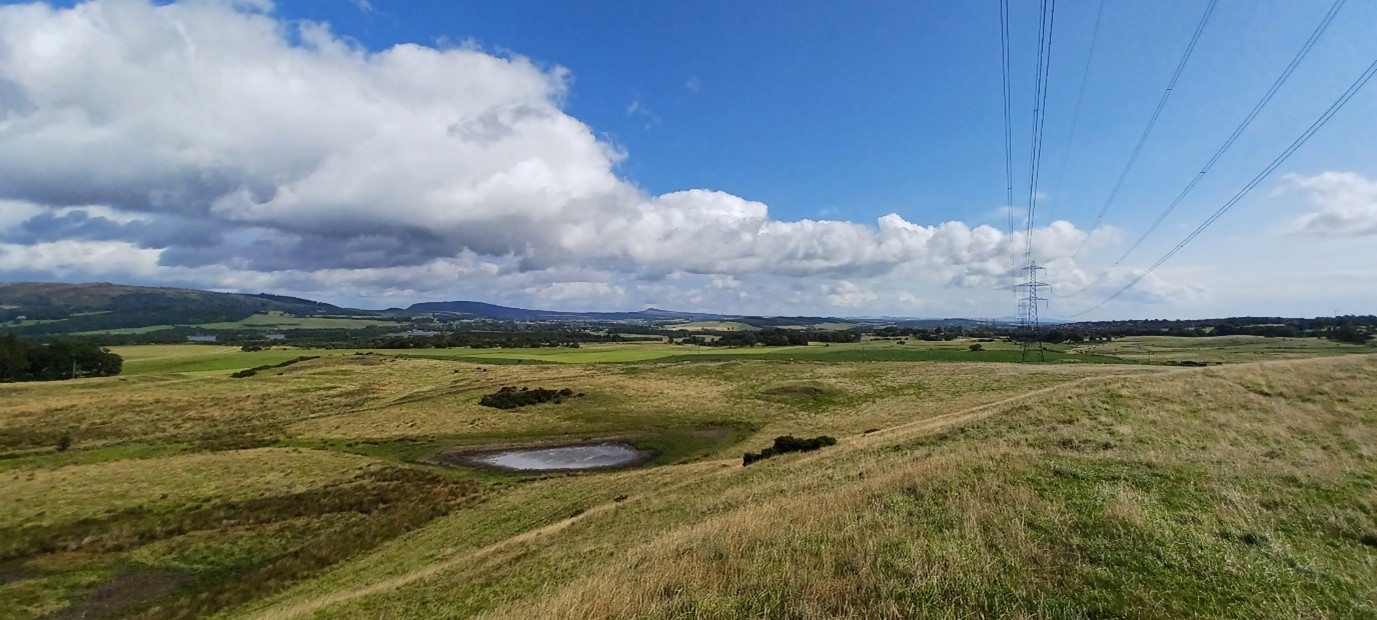
The project took a broad, catchment‑wide view, exploring where watercourses and transport corridors intersect, and how these spaces could be improved for both people and nature. By stepping back and looking across the landscape, we were able to identify areas where small, carefully designed interventions could make a meaningful difference, such as improving habitat connectivity, supporting biodiversity, and helping water move more naturally through the environment.
This early-stage work has been crucial in building a strong evidence base, helping us understand constraints as well as opportunities, and ensuring that any future delivery is grounded in local context.
Working in partnership
One of the most valuable elements of Tracks to Tributaries has been the partnerships that grew around it. We worked closely with landowners and local communities, sharing ideas, walking sites together, shaping proposals collaboratively.
These conversations helped ensure that the projects we’ve scoped are not only environmentally beneficial, but also practical, locally supported and aligned with how land is currently used. In several places, community interest and enthusiasm helped strengthen proposals further, creating opportunities for volunteering, long‑term stewardship, and local pride in the places being restored.
From ideas to deliverable projects
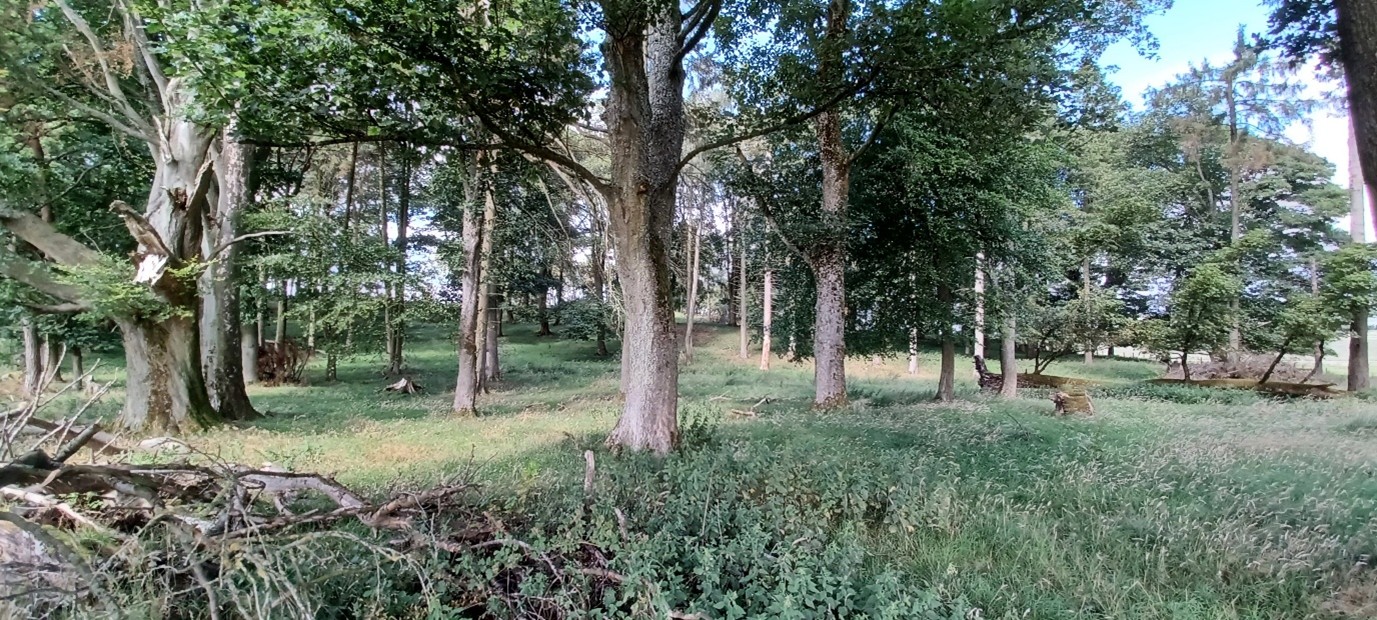
Through a combination of mapping, site visits and surveys, we’ve scoped a suite of high‑quality, deliverable projects. These span a range of nature‑based approaches, including habitat creation, wetland restoration, woodland and hedgerow planting, and measures that help slow and store water in the landscape.
Importantly, the work has moved beyond ideas on a map. Many of the opportunities identified are now well developed, with clear objectives, supporting evidence and the foundations in place for future delivery when funding and resources allow.
Working together to take projects forward
Tracks to Tributaries was a development project, but it has been an important step in bringing together a wide range of stakeholders across the catchment. By working collaboratively, we’ve been able to align local priorities, environmental objectives and practical delivery considerations, creating a shared understanding of what’s achievable and where effort is best focused.
The project has helped establish a strong platform for the next phase: supporting conversations around funding, partnerships and delivery. The range of well‑scoped opportunities developed through the programme will allow us to continue working with stakeholders, landowners and communities to secure investment and support the implementation of nature‑based solutions on the ground.

We’re proud of what’s been achieved through this collaborative approach and grateful to everyone who has contributed their time, insight and enthusiasm. The project has demonstrated the value of partnership working across the catchment and provided a positive foundation for turning good ideas into action.
The Tracks to Tributaries development project was funded with thanks to the Scottish Government’s Nature Restoration Fund, managed by NatureScot, and with match funding from the transport sector.