Trossachs Water Vole Project Update by Emily Marshall
Water voles in the Trossachs are thriving as we enter the 12th year of the Trossachs Water Vole Project. Read more about a year in the life of the project below as we look back at 2019.
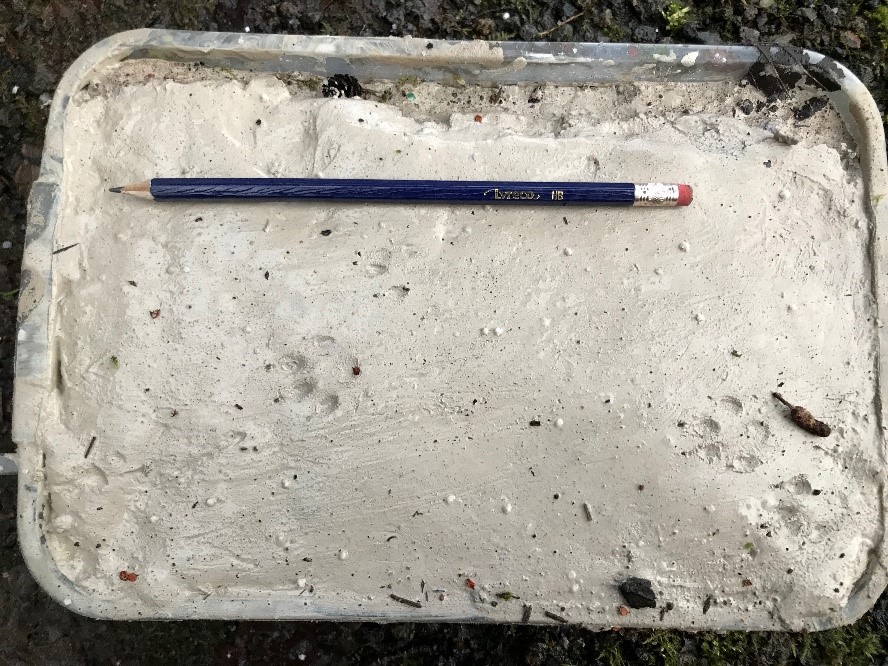
Monitoring mink rafts
Autumn/Winter 2019 saw a lower than average rate of mink detection, not just by TWVP staff and volunteers but by independent raft operators and partner organisations across the project area. This may have been a knock on effect from the low rodent densities in 2018/early 2019 and a subsequent lack of food for mink. We are hopeful that this low density will continue through the 2020 season and staff and volunteers will remain vigilant in their monitoring efforts to prevent any re-colonisation. New mink rafts were placed this winter around the perimeter of the project and in key target areas in the hopes of widening our mink-free zone and strengthening its protection.
Water Vole Surveys
Volunteering, once again has been invaluable to the project in 2019/2020. We had a fairly miserable year for weather and lots of survey days were unfortunately cancelled due to high rainfall, but the volunteers bashed on, getting out whenever they could and finding some really positive results.
2018 was a particularly poor year for water voles, the annual surveys saw a dip in population distribution, with breeding voles shrinking back to their stronghold areas. This was probably due to a combination of the successive ‘Beast from the East’ Storms that pushed back the growing season, and the exceptionally hot and dry summer which dried small ponds, ditches and burns and reduced the available habitat where water voles could successfully breed.
However, in 2019 we saw an increase in the population distribution, with breeding water voles popping up in sites where they had been missing in 2018 and a generally good number of occupied sites overall. We even found a few new records which is always lovely to see. Water voles live in distinct colonies but their survival in a given area is dependent on the loosely connected nature of these colonies. It is common for individual colonies to become extinct due to a variety of factors such as poor breeding conditions, flood events or a wandering mink, only to be recolonised later by neighbouring populations. This is exactly the effect we saw with our population recovery in 2019, with voles recolonising sites from the core population strongholds.
Climate change effects on rainfall, flooding, fluctuations in vegetation growth and food availability is making life increasingly tough for British animals, and water voles are no exception. Protecting and maintaining areas of good water vole habitat, minimising disturbance and preventing colonisation by American mink are all things that we can do to help.
If you would like to get involved in the Trossachs Water Vole Project, either as a volunteer, adopting a mink raft or to report a sighting, please get in touch with Project Officer Emily at emily.marshall@forestryandland.gov.scot.
For more information and updates about annual training days and events, please go to our Facebook page https://www.facebook.com/TrossachsWaterVoleProject/