Following a significant oil spill in California in 1969, in 1970, former US Senator Gaylord Nelson created Earth Day on April 22nd. The aim of this was to raise awareness of the growing number of environmental issues our planet faces, especially due to climate change – and now, over 192 countries observe Earth Day.
There are several ways you can help mark the occasion, from simple actions, including educating people about environmental issues and starting discussions or setting goals about reducing your or others’ carbon footprint, to taking part in a local litter cleanup or planting a tree. As for children, there are a range of Earth Day activities that can be found online to help get younger generations thinking about how we value our environment. This year’s theme for Earth Day is ‘Invest in Our Planet’.
Though freshwater covers less than 1% of all water on the Earth’s surface, it provides dozens of habitat types for a significant number of species. Rivers are vital in supporting and maintaining wetlands which can sustain around 40% of the planet’s species – a huge number for such a small geographic area – and this does not include adjacent habitats or consider the livelihoods of people relying on rivers. WWF’s ‘Living Planet Report 2020’ noted that populations of global freshwater species have decreased by 84%, the equivalent of 4% every year since 1970. Despite this issue, water management and protected areas policies do not always adequately cover freshwater ecosystems nor the community livelihoods that depend on these. As the freshwater degrades in quality, biodiversity losses grow and this directly impacts both food and water security, disproportionately affecting indigenous peoples and lower-income communities more so. This reinforces how important it is to raise awareness of environmental issues on Earth Day and why it is important worldwide.
The Trust undertakes its work by leading with the outcomes for nature, balancing a ‘win’ for nature with a success for landowners managers and stakeholders alike. Given the deterioration of vital freshwater habitats and the Biodiversity Crisis acknowledged by the Scottish Government, now more than ever it’s time to ‘Invest in our Planet’.
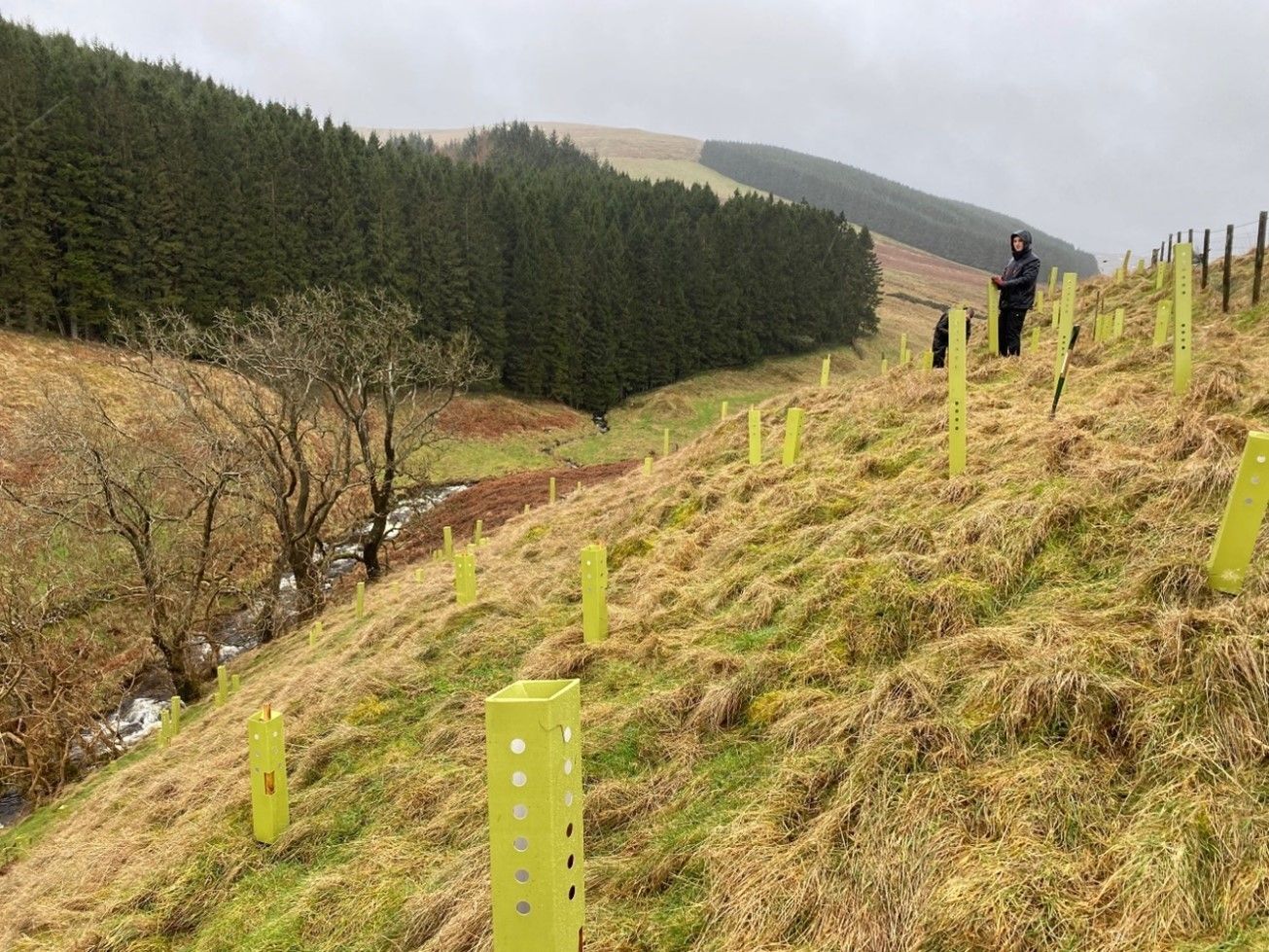
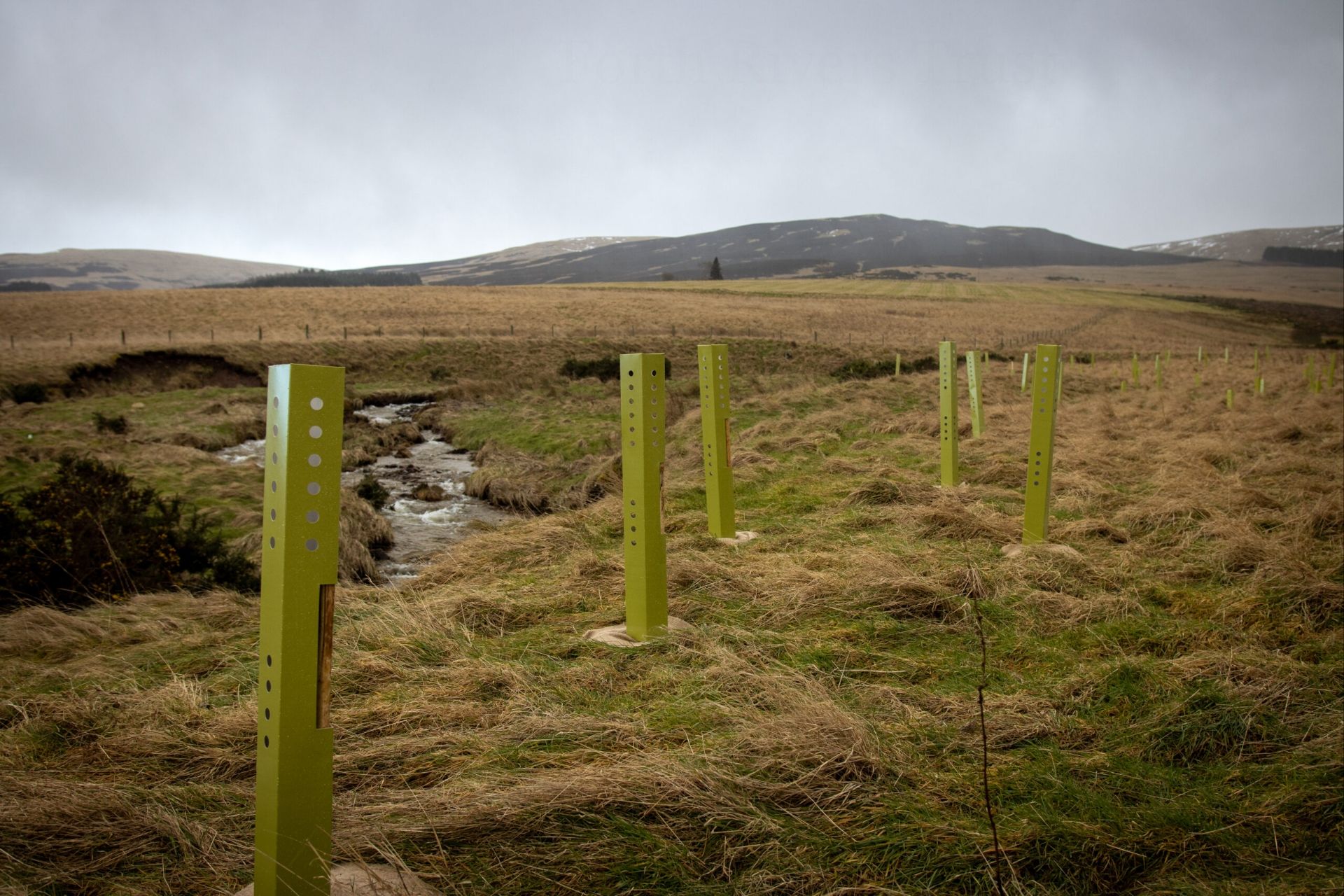
Organisations and businesses should consider their carbon footprint and how to reduce it and evaluate what actions can be taken at a workplace level to encourage sustainable growth, growth that considers the environment first and foremost. One example of this consideration within Forth Rivers Trust is our aim to move away from plastic tree housing when planting new trees and working to recycle plastic tree tubing in other work undertaken, wherever possible. Litter cleanups are undertaken by Trust volunteers, as well as project staff cleaning litter whenever it is spotted on a project site.