
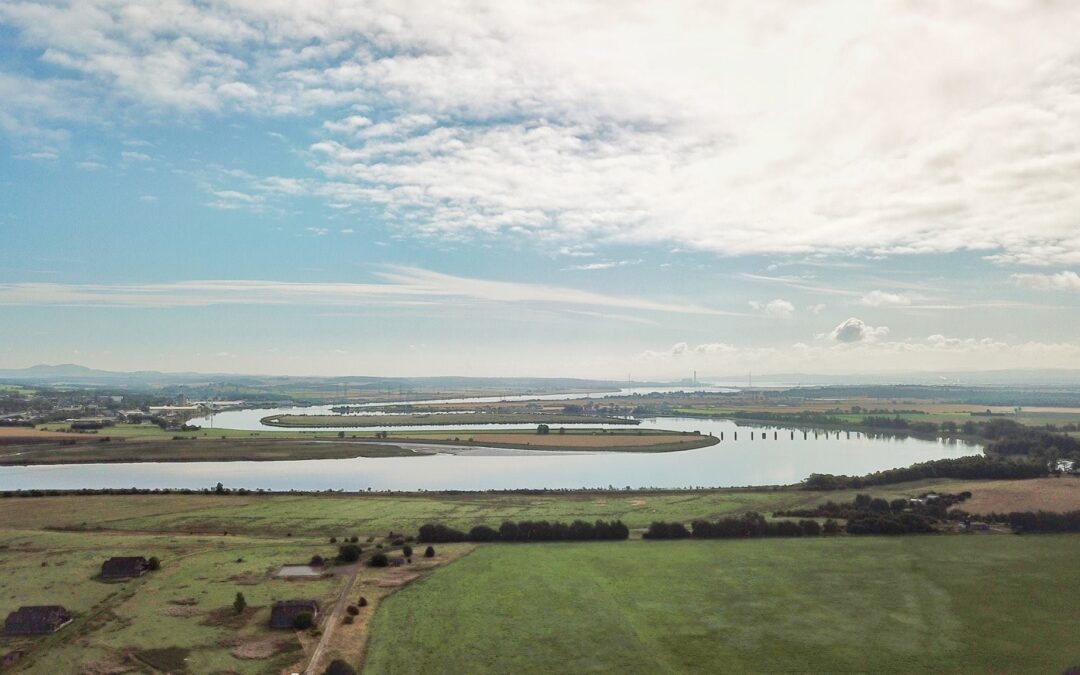
With today being day 8 of #30DaysWild, it also marks World Ocean Day! How important is the role rivers play in oceans, you might ask? Read on to find out.
Firstly, what makes oceans so important? Here’s just a few key facts:
- Oceans cover 70% of the Earth’s surface. The deep sea accounts for 90% of our global marine environment.
- They store 92% of the Earth’s carbon (according to this report by the IPCC).
- They are home to a vast array of endemic species with incredible biodiversity (including species like Atlantic Salmon and Sea Trout).
- Oceans are under more pressures than ever before: from climate change, plastic pollution, and chemical and sewage pollution, to name a few culprits…
Below, we explain how rivers play a role in helping oceans thrive at coastal margins, contributing to life in the oceans around us.
Rivers into oceans
It’s thought that over 6,000 rivers worldwide surge freshwater into oceans, with this role including delivery of nutrients for phytoplankton and many other species, generating life that in turn feeds progressively larger creatures. Using satellite data on sediment change, researchers found that dams in the global North (North America, Europe, and Asia) blocked almost half of sediment delivery (49%) to coasts. With the knowledge that a significant amount of dam-building occurred in the 1970s, the researchers’ study baseline of the 1980s likely showed departure from the rivers’ natural states already. Dams don’t only impact coastal biodiversity, they also impact the migration of species, including Atlantic Salmon and Sea Trout which require access to freshwater to spawn.
The role of sediment for both rivers and coastal systems cannot be understated. When rivers overflow onto floodplains, the water slows and drops silts that influence flows and nourishes vegetation among the channels, also bringing nutrients to the floodplain, and contributing to algal blooms that feed phytoplankton and juvenile fish. At the sea’s edge, sediment continually rebuilds coastal land otherwise eroded by ocean waves. Rising seas are an issue we see reported on often – but sinking land is also a very real issue for those living in and around river deltas that become increasingly starved of sediment.
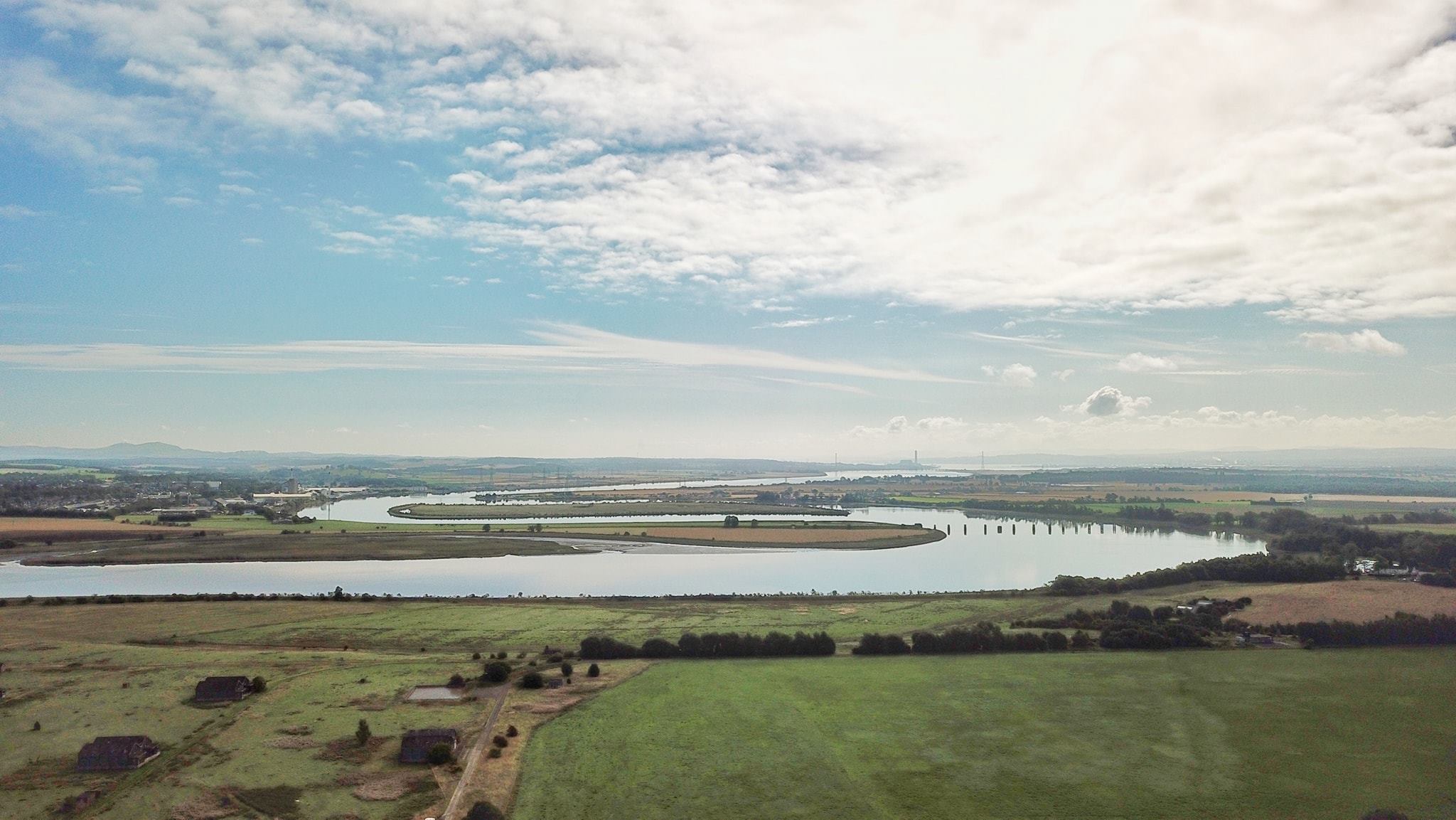
Above: View looking out over the Firth of Forth (Forth estuary).
Rivers may even influence ocean currents in ways research is only beginning to understand. Oceanographers noticed that natural eddies from river plumes reaching ocean basins are where schools of fish tend to gather, accessing the wealth of nutrients transported here. An alteration to these currents produced by rivers could then disrupt nutrient circulation and impact fish populations as a result.
Aside from playing an important role in nutrient delivery and regulation in coastal waters, rivers are, unfortunately, often a direct source of ocean plastic pollution. What we drop in and near our rivers and what we put down our drains has an impact on our oceans, too.
Don’t flush away the problem
Some things that definitely don’t belong in the loo, causing several issues when flushed:
- Cooking oil, margarine, butter or lard. Cooking sauces, food – even crumbs
- Face masks
- Cotton buds
- Wet wipes
- Nappies
- Bandages and plasters
- Tampons, applicators and wrappers, menstrual pads and towels
- Rubber gloves
- Condoms
- Contact lenses
- Razor blades
- Dental floss
The above is not an exhaustive list, but gives you an idea of the type of materials that are washing up on our beaches and shores more often. And one special shout-out – vapes. A more prevalent issue than ever, we see these brightly coloured plastic-covered battery holding devices littered everywhere from urban areas to the edges of our coasts. These are particularly damaging as the chemicals in these device’s batteries can leech out into our environment over time, causing all sorts of issues for wildlife, beyond simply looking bad in the environment. So how can you help?
To start:
- Taking part in river and beach clean-ups.
- Raising awareness about the issue of pollution from rubbish in our fresh and coastal waters.
- Learning more about bathing waters near you, using them, and keeping them clean and safe.
Bathing waters
Another way you can support cleaner, healthier waterways is by supporting and making use of bathing waters near you. You can read about how these are designated on the SEPA website here but in summary, a bathing water site is designated on waters tested regularly during the bathing water season. Annually, each site is given a classification based on data that is usually taken over a four-year period. The information is made available and allows people to make informed choices about where and when to bathe, as well as giving an indicator of water quality.
To name a couple in our catchment, Fisherrow Sands and Wardie Bay are more recent bathing water designations.
Fisherrow Sands ended the 2019 bathing water season with a ‘poor’ water quality classification for the 5th year in a row resulting in it no longer being a designated bathing water under the Bathing Water (Scotland) Regulations. From 2020, works were carried out and SEPA worked with the Scottish Government, Scottish Water, local authority, and community organisations to address the issues, with over £3 million spent on improving the water quality. These efforts paid off and resulted in Fisherrow Sand’s re-designation as a bathing water in 2023.

Above: Wardie Bay bathing water (image credit).
Wardie Bay’s designation is the newest one bringing Scotland’s total number of bathing waters to 89. This follows extensive campaigning efforts from local community groups to engage the public, clean the beach and improve the water quality for a bathing water designation. With Wardie Bay being awarded bathing water status, this was exciting news for the organisations that collaborated to make it happen, and a celebratory event is being held this evening in celebration of World Ocean Day 2023 and the new bathing water designation – find more details at this tweet here.
Remember to celebrate responsibly and leave no trace in the environment.
Thanks for reading and learning more about the environment around you this World Ocean Day 2023. Get out there and play your part in protecting our coasts and oceans today!