Climate change and the impacts on our sewage networks and rivers
Sewage has been in the news a lot recently as most sewage networks discharge into rivers and seas around the country. Campaigners have been working to force government to make raw sewage discharges the exception rather than the norm as they seem to be becoming. These discharges have a negative impact on communities and wildlife with degraded habitats reducing the abundance of wildlife and communities put off from using their local rivers for recreation..
Untreated sewage, when the system is operating normally, should not be discharged into watercourses as the waste is transported to the treatment plant for processing. Once treated, the waste water should then be of a sufficient quality to be released back into the environment, removing contaminants and then disposing of them appropriately.
As the climate changes due to global warming, it can result in increased rainfall which then impacts on this process. Until recently, waste water from businesses and residential areas was combined with water run off from down pipes and street drains. This means that when it rains and it falls on road surfaces, roofs and driveways, this water is captured and piped into the same pipes which waste water is transported in to the sewage networks.
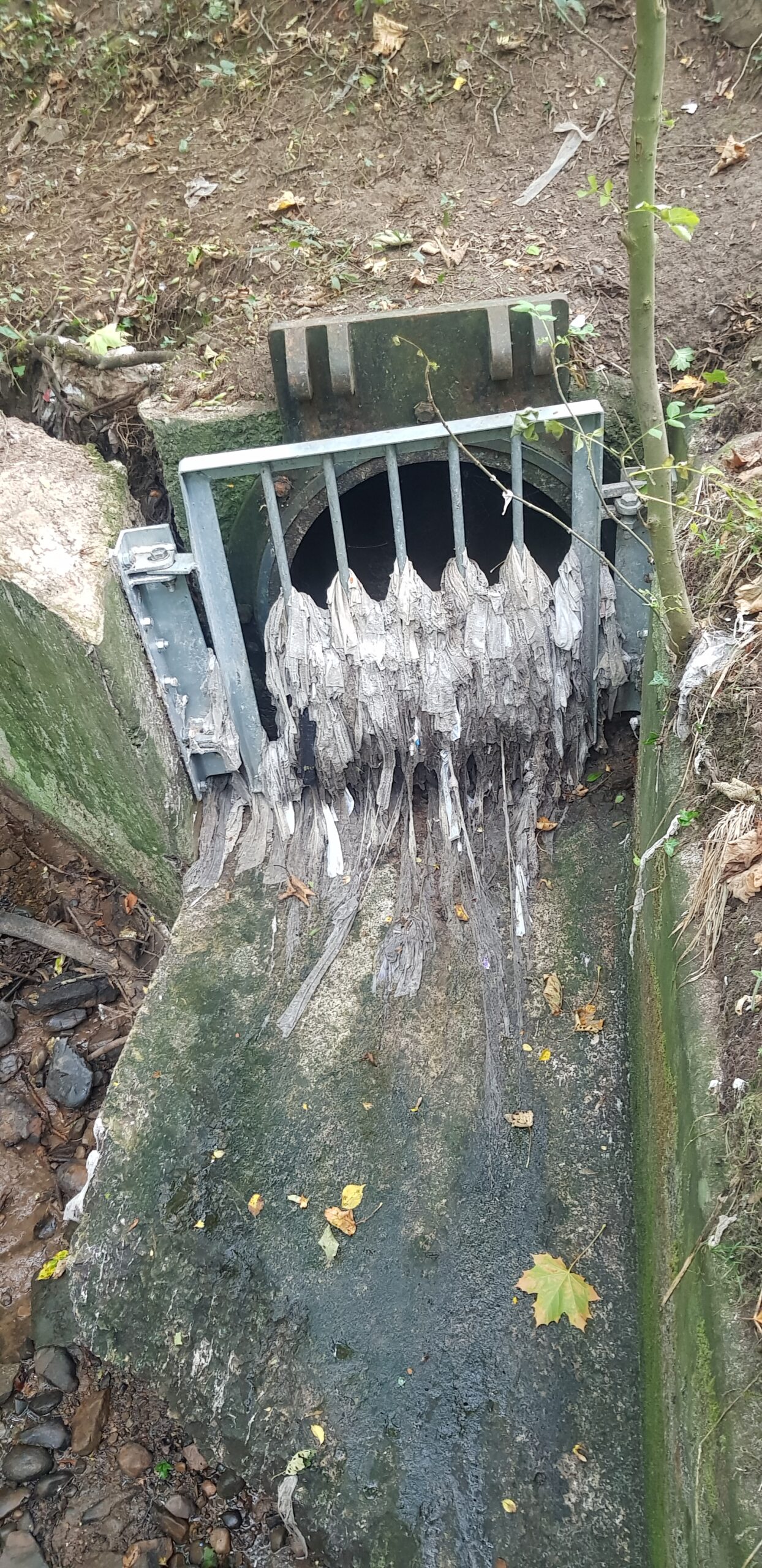
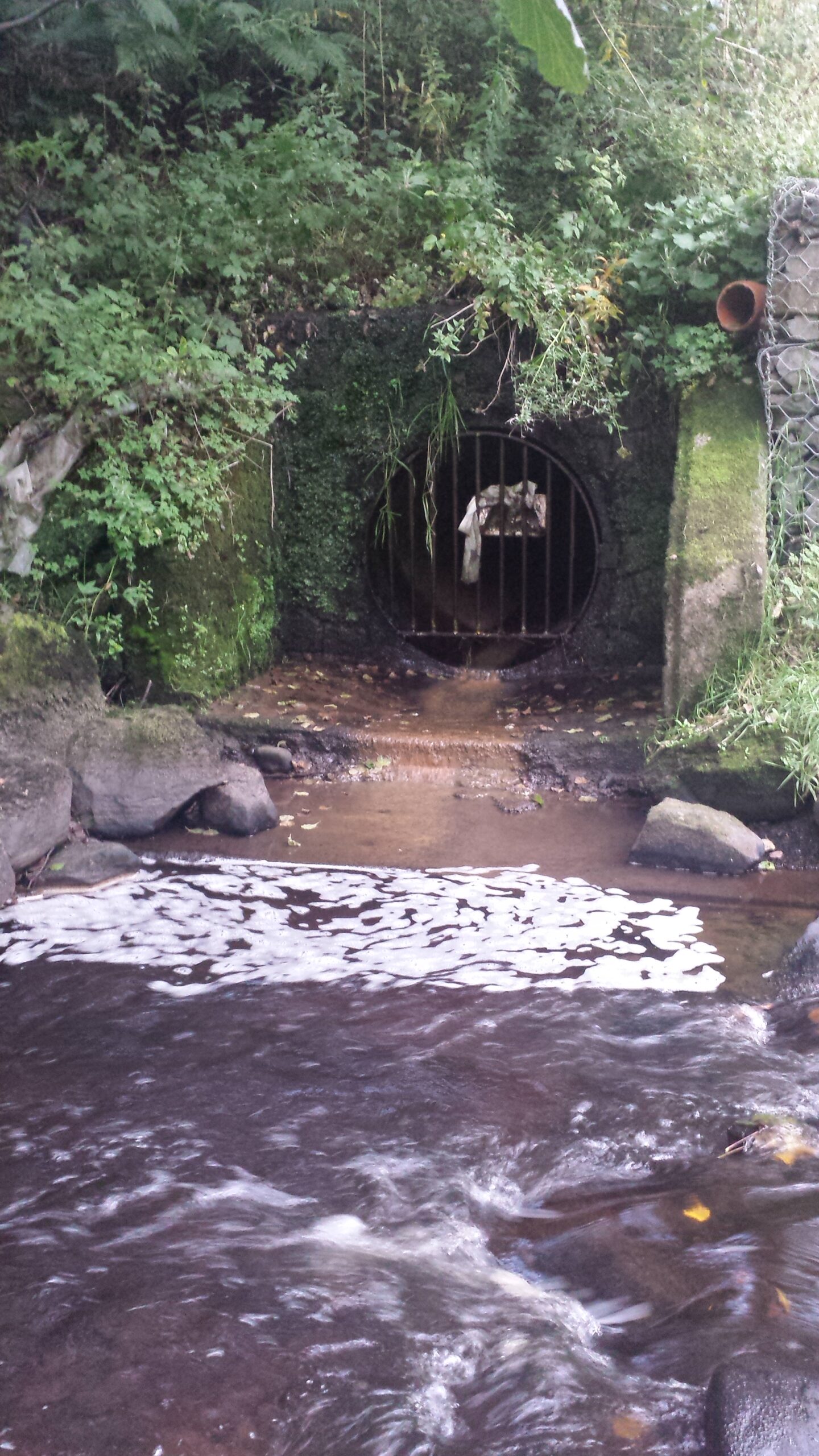
As a safety mechanism and to stop sewage spilling into peoples homes and streets, combined sewer overflow pipes are build into the system which allow waste water to enter local rivers and seas when the pipes can’t cope. This discharge is untreated meaning waste flushed down your toilet and sinks then enters your local river.
This has become a real issue over the past decade as towns and cities expand and more and more houses link into existing sewage networks reducing capacity over time. This reduced capacity within sewage networks means sewage spills become more frequent during rainfall events, sometimes occurring when rainfall would not necessarily be deemed as exceptional. This, along with the predicted increase in exceptional rainfall events, means that our rivers are being polluted by untreated waste water more frequently.
It is important to say though, combined sewage systems have been phased out and new developments are required to separate waste water from surface water with SuDS (Sustainable urban Drainage Systems) being used to capture and slow the flow of water from roads and roofs entering rivers. This however is only on new builds and from our knowledge, no retrofitting of combined sewage networks has taken place meaning rainfall can still enter the sewage networks in most locations.
Investment in our sewage networks is needed to make them resilient to climate change. If this doesn’t happen, our rivers and greenspace where communities enjoy will pay the ultimate price for Scotland’s lack of drive and ambition to protect the environment and wildlife within.
Here at the Trust, we are working with communities across the central belt to raise these issues with the likes of SEPA, Scottish Water and Scottish Government to make sure they are high on the agenda. Every river in the central belt is affected by sewage due to the vast network of pipes discharging into them. Our map which outlines where sewage outfalls are in the Firth of Forth highlights part of the picture showing the extent of the problem. This map can be viewed here – https://forthriverstrust.org/sewage-outfalls-around-the-firth-of-forth/
This only highlights part of the problem as the true extent of sewage entering rivers around the Forth is not fully know, because there is no requirement by SEPA to monitor the vast majority of outfalls. SEPA have set criteria whether outfalls should be monitored or not which results in about 15-20 outfalls being monitored out of roughly 600 outfalls in the Forth alone. This is a national issue as highlighted by the Ferret recently..
The Trust believes that raw sewage should not be discharged directly into rivers. Until this ambition is realised we are working with communities to get the following in place:
- All outfalls to be better monitored to see the full extent of the issue, and for this to be available in real-time.
- Raw sewage spills to become the exception and not the norm with rivers better protected.
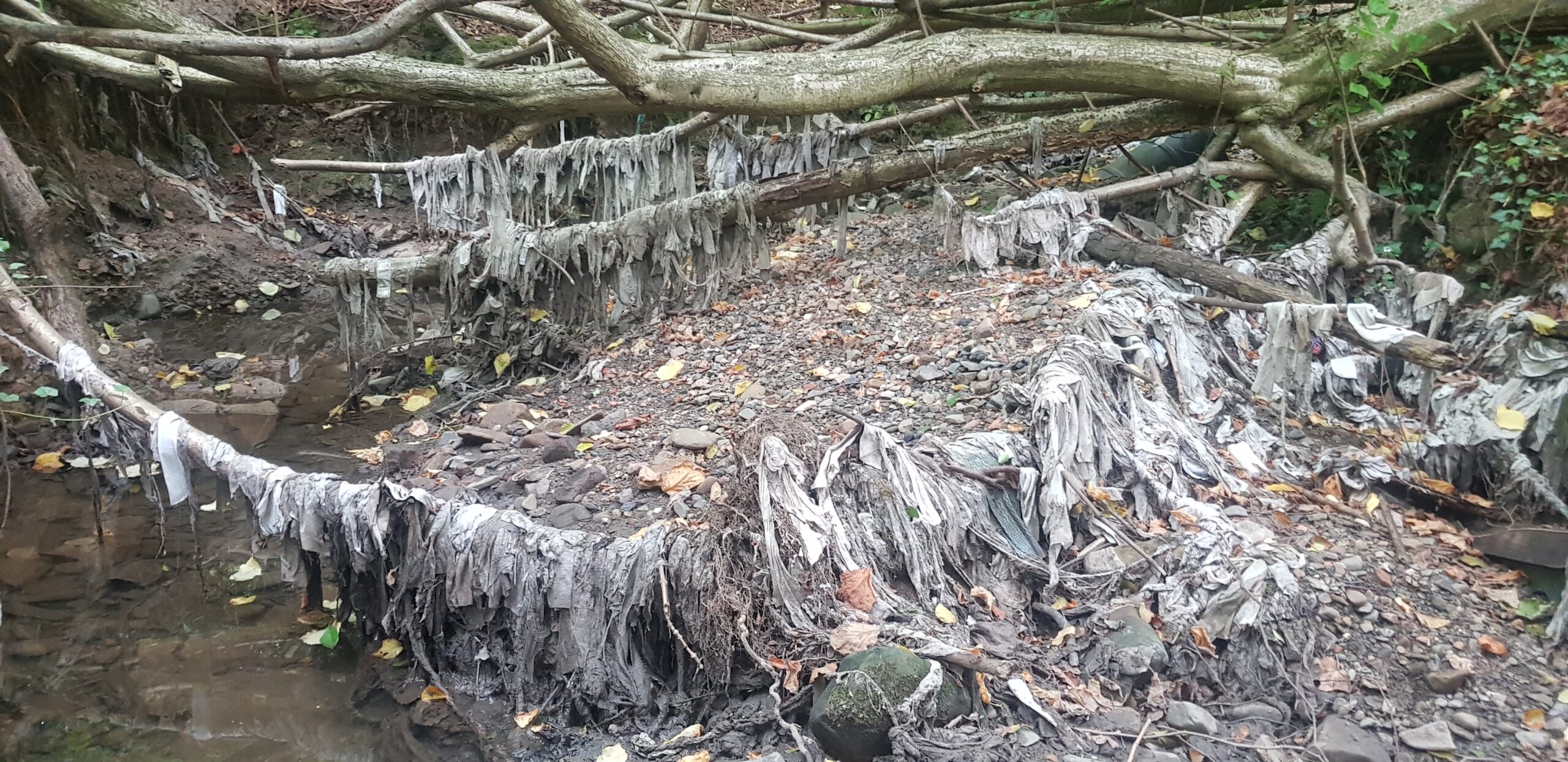
- Proactive clean ups of Sewage Related Debris after each and every event.
These are not unreasonable requests but the Trust and communities fighting this battle seem to be blocked by a lack of ambition with Scottish Water citing they are operating within licence conditions and SEPA appearing to be reluctant to change them. As climate change gets worse, we expect to see this issue worsen over time as increased rainfall occurs and building/developments continue. A step change in thinking is required.
This kind of work by the Trust is not funded easily and most of our lobbying work is funded by donations from members of the public or organisations such as the Forth District Salmon Fishery Board. If you would like to support the Trust in our efforts to push for change, please donate today! https://forthriverstrust.org/donate/
If you spot pollution such as sewage entering your local river, please report it to SEPA by calling 0800 80 70 60 or using their online reporting form – https://www2.sepa.org.uk/EnvironmentalEvents
You can also report sewage related issues to Scottish Water via their social channels, online reporting form https://swcustomerportal.microsoftcrmportals.com/ReportAProblem/ or by calling 0800 0778 778