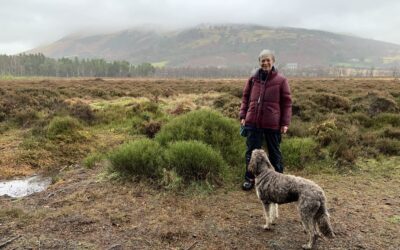
As part of the Leven LENs project I want to get to know the agricultural landscape, to better understand farming operations, including what farmers they grow, who they supply, and how they feel about the catchment where they live and work. One of the main reasons the Leven catchment was chosen as the first LENs location in Scotland is its diverse agricultural land, so for my first point of action I had the hard task of going climbing a hill so I could view the landscape in all its glory and learn about the area some more.
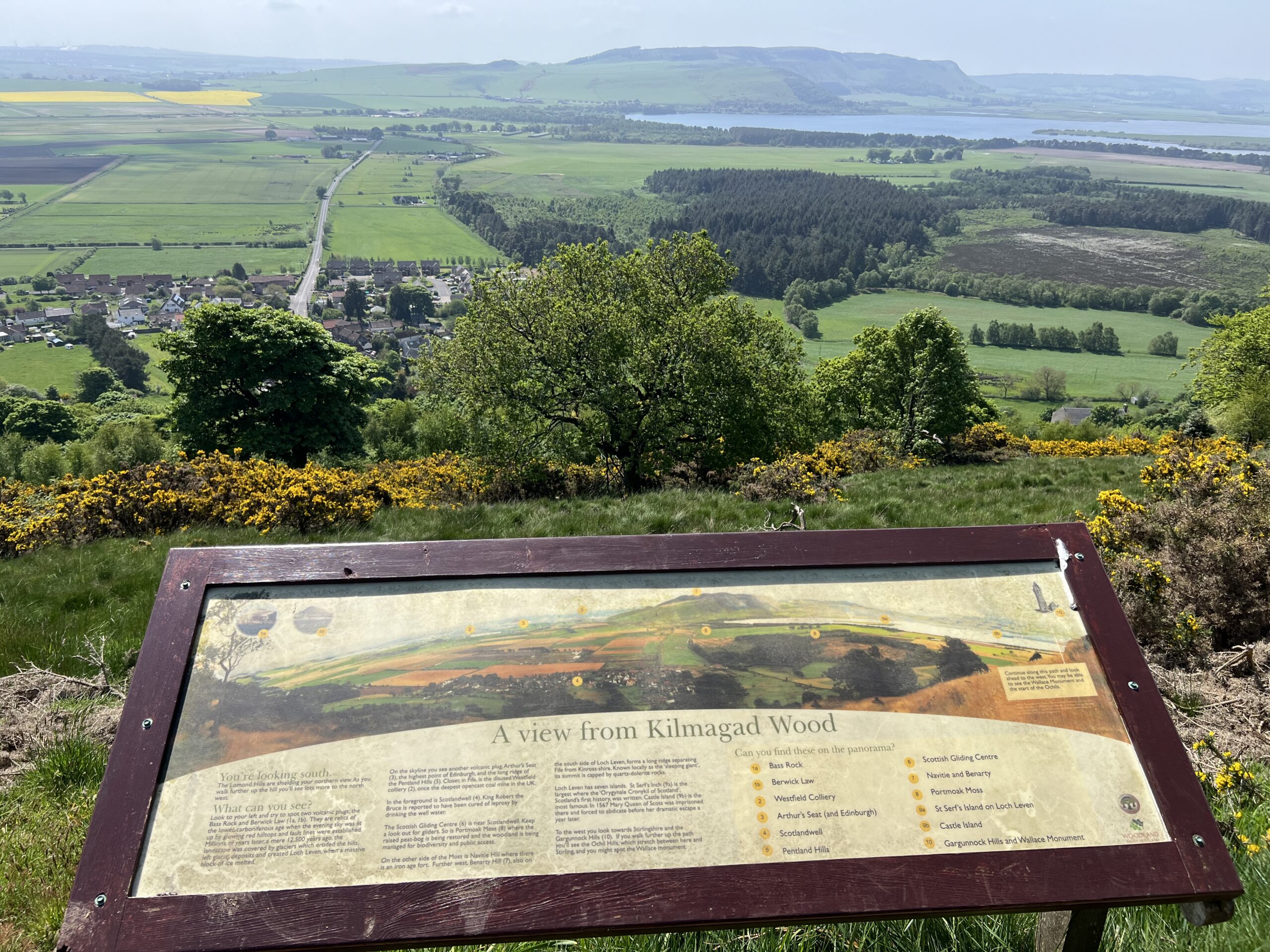
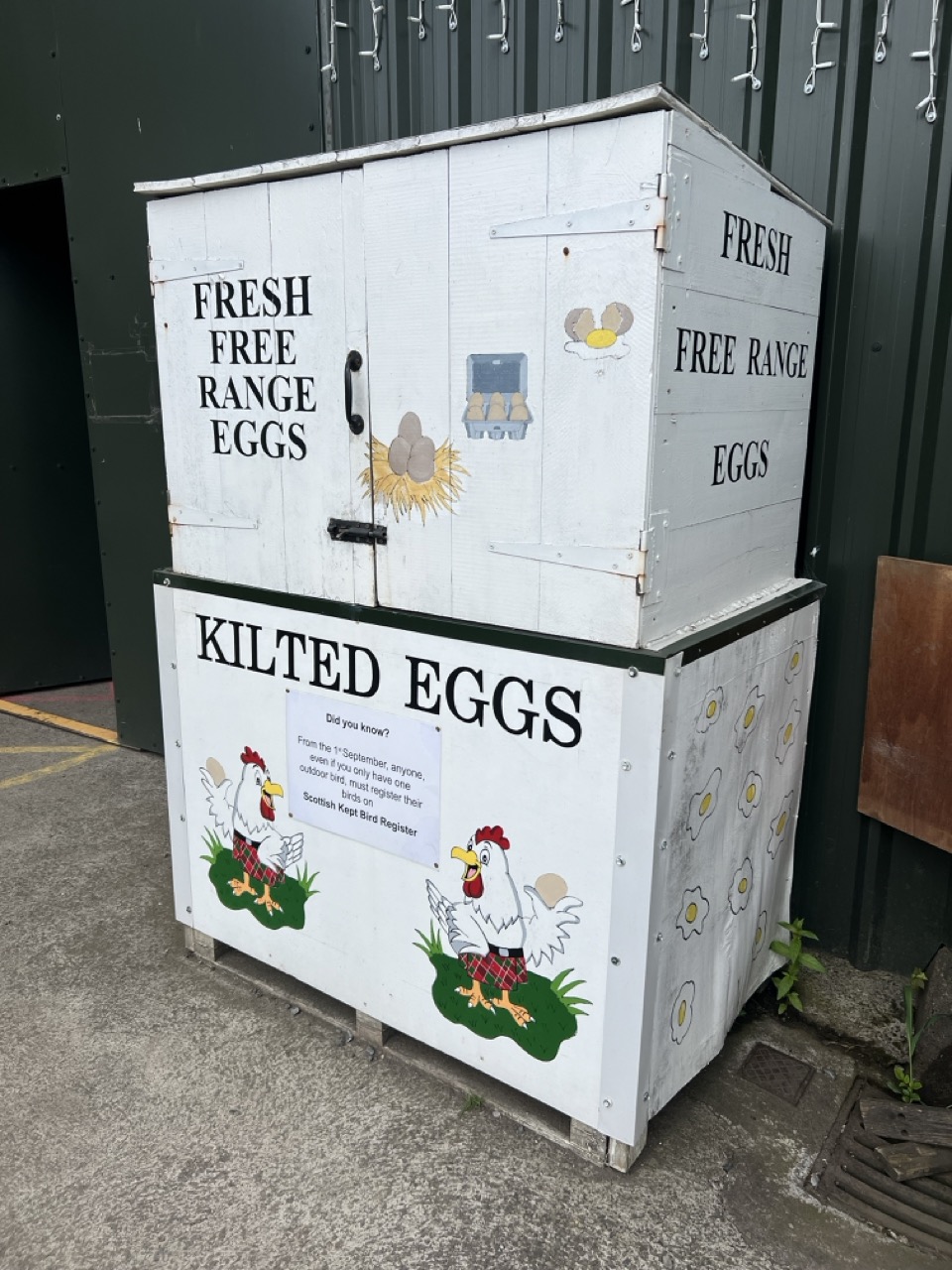
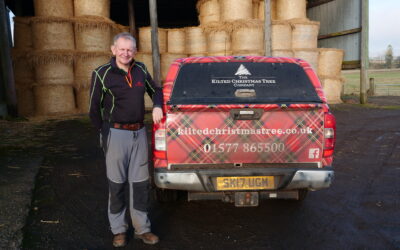
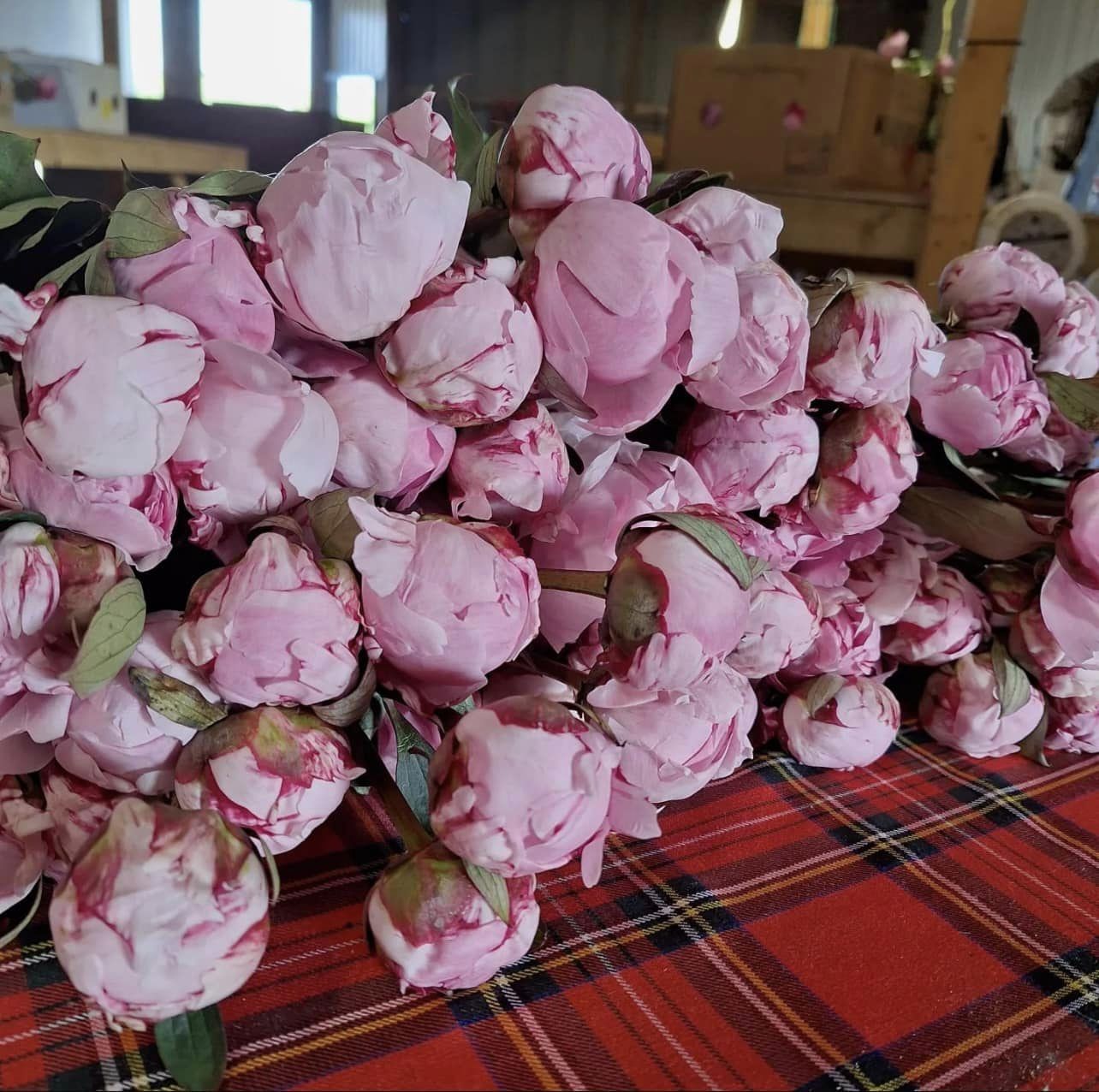
I’ve now started to visit a handful of farms in the Kinross and Milnathort area and have already witnessed the incredible diversity of food and fibre supplied by the region, including barley, wheat, oilseed rape, potatoes, peas, beans, peonies, eggs, and Christmas trees all from just one farm! Including other farms, the variety expands further with more types of cereals, potatoes, sheep, and root vegetables.
In addition to the supply of food and fibre produced by the farmers, it was evident that they are taking significant measures to protect the natural assets in the catchment. We discussed the in-field measures they are implementing, such as cover crops, catch crops, and green manures. I’ve walked through some impressive edge-of-field measures, including reed beds bordering Loch Leven, species-rich grasslands, wild bird seed buffer strips, field margins with flowers such as the Common Spotted Orchid (Dactylorhiza fuchsia), and even some well-used core paths through farms that allow public access and connect to the wider Loch Leven Heritage Trail.
During the visits, we also acknowledged that farming isn’t all roses, or rather peonies, and discussed the challenges farmers face while supplying food, fibre, and expected environmental outcomes. Examples so far include wandering herbivores (with and without wings), soil erosion, flooding of fields and grain stores, and various planning, funding, development, and equipment logistics.
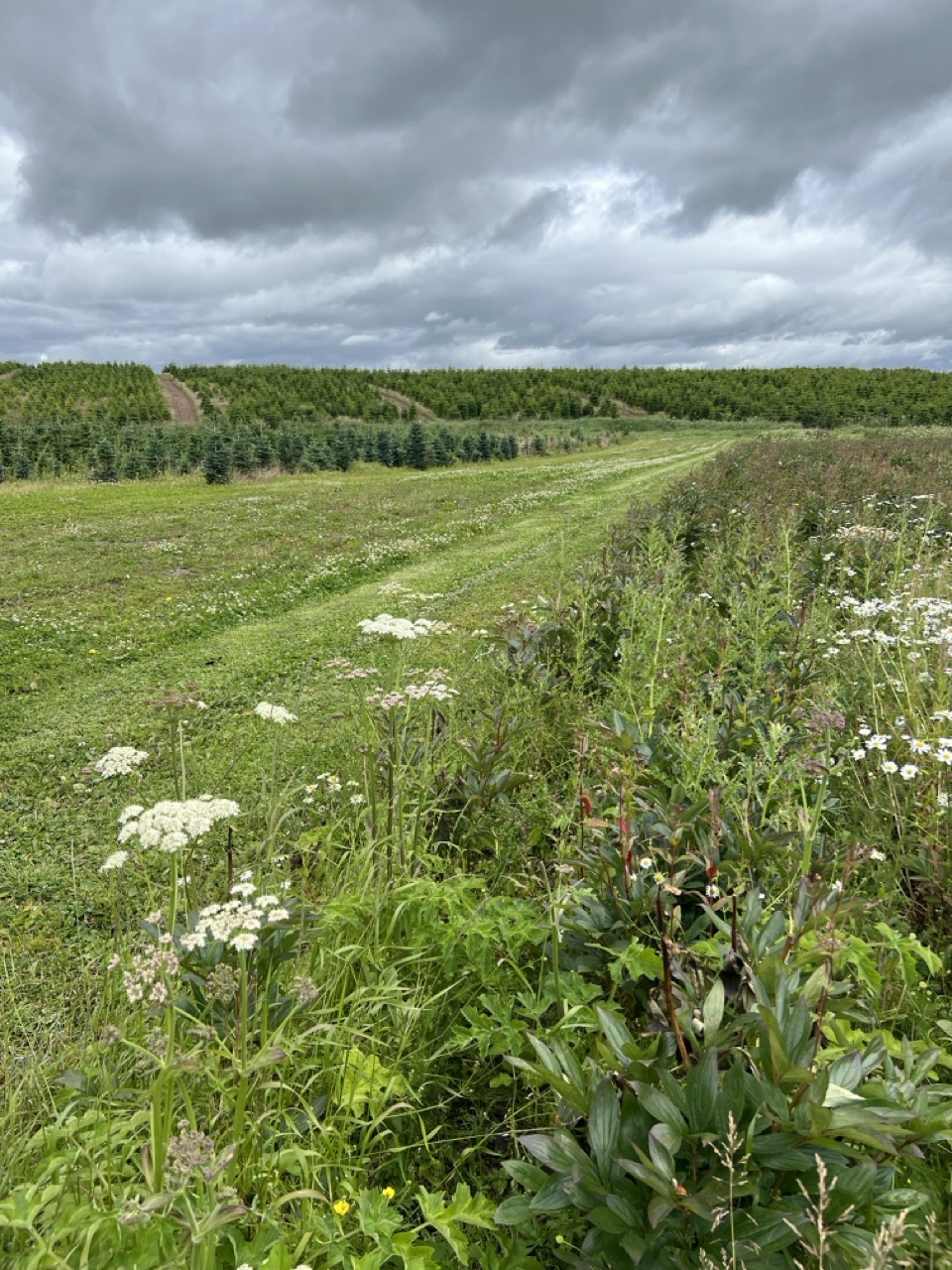
Gathering all this information, both the good and the bad, helps us deliver our Leven LENs project and make it relevant to the farmers in the area. The project aims to identify and implement a strategy for long-term investments so farmers can manage the land in a way that makes the Leven landscape healthy and productive while benefiting the environment, boosting biodiversity, and uplifting local communities.
We are only getting started with our farmer visits, so please get in touch if you have an hour to spare, and I can arrange the best time and date. Help us expand our knowledge, spread the word about Leven LENs, and explore the potential for farmer collaboration in the area.